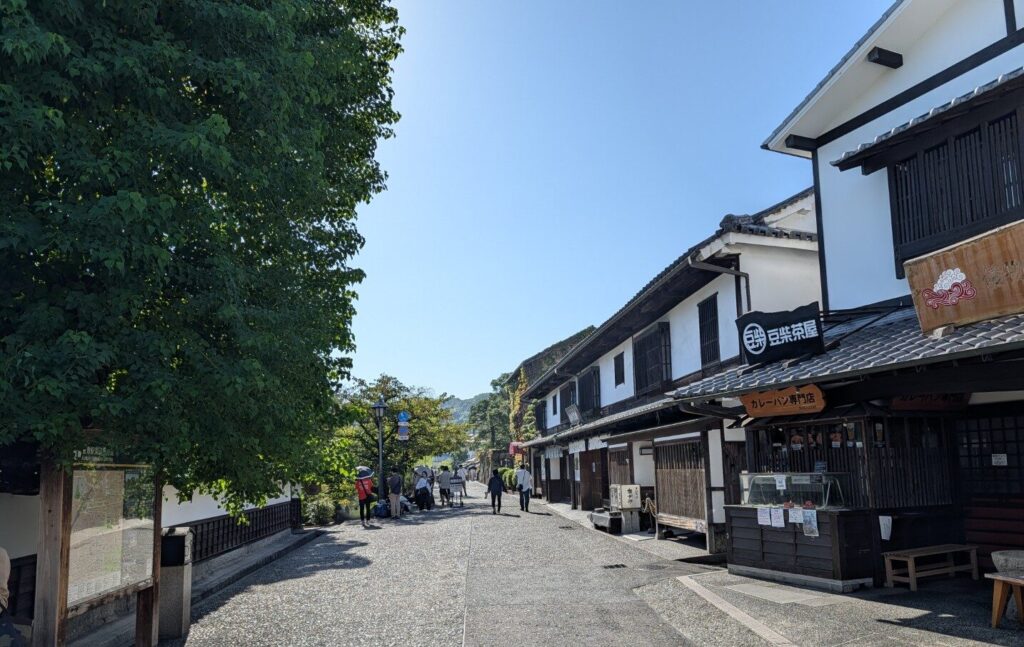
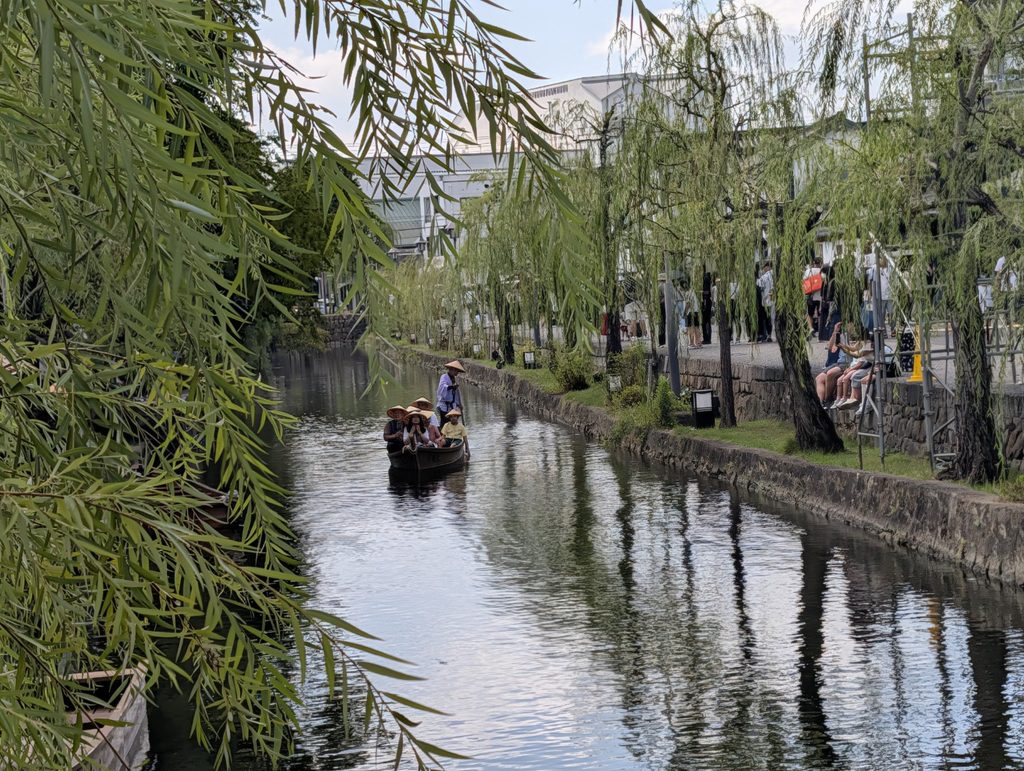
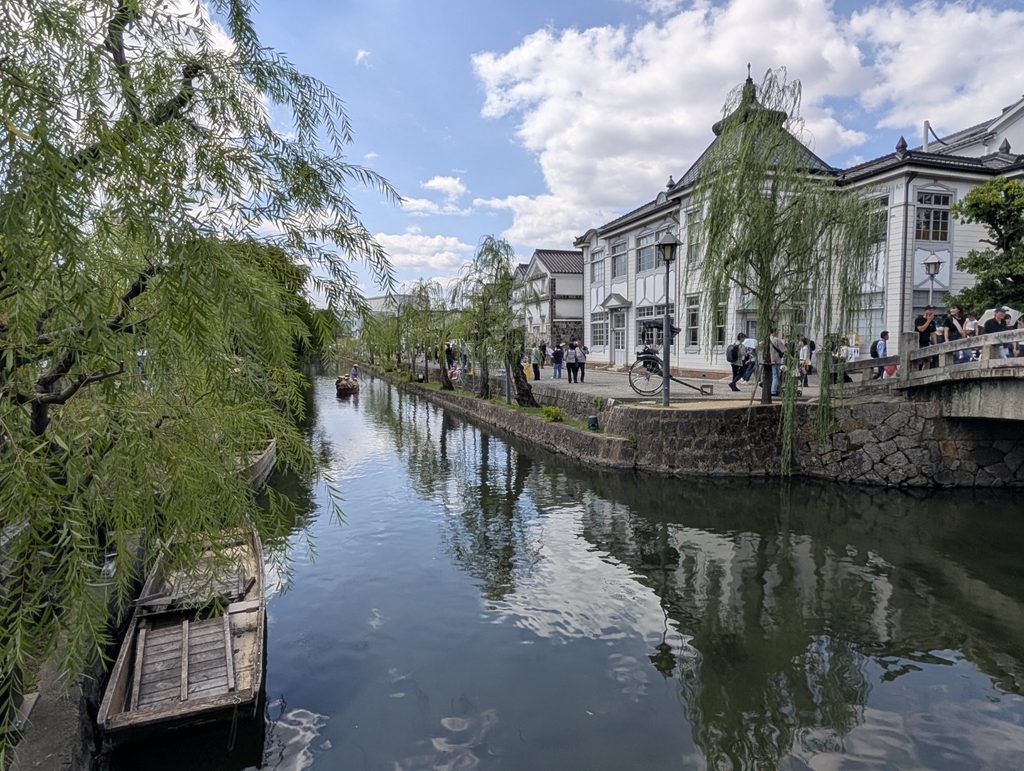
I met up with Asuka at Kurashiki Bikan Historical Quarter again this moning, and we tried to find a place for breakfast in there. But every café was full!
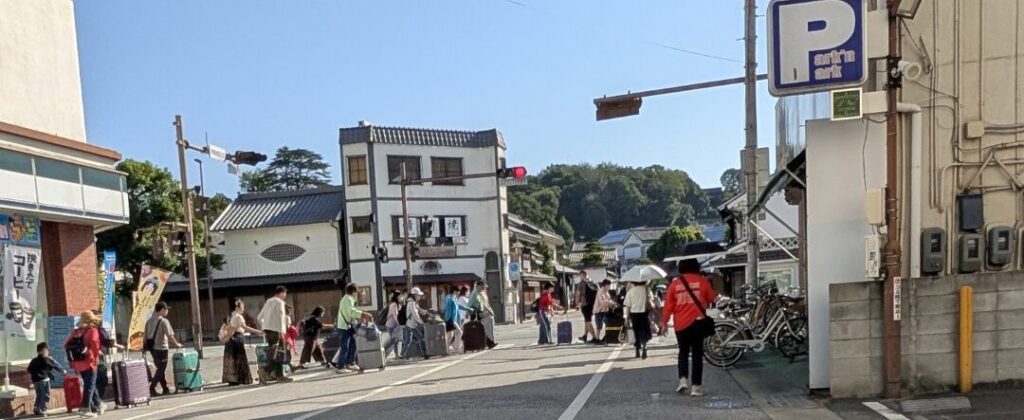
Even Asuka was surprised, saying, “As a local, I don’t usually come out of my way to visit the Bikan area, so I had no idea it was this crowded!”
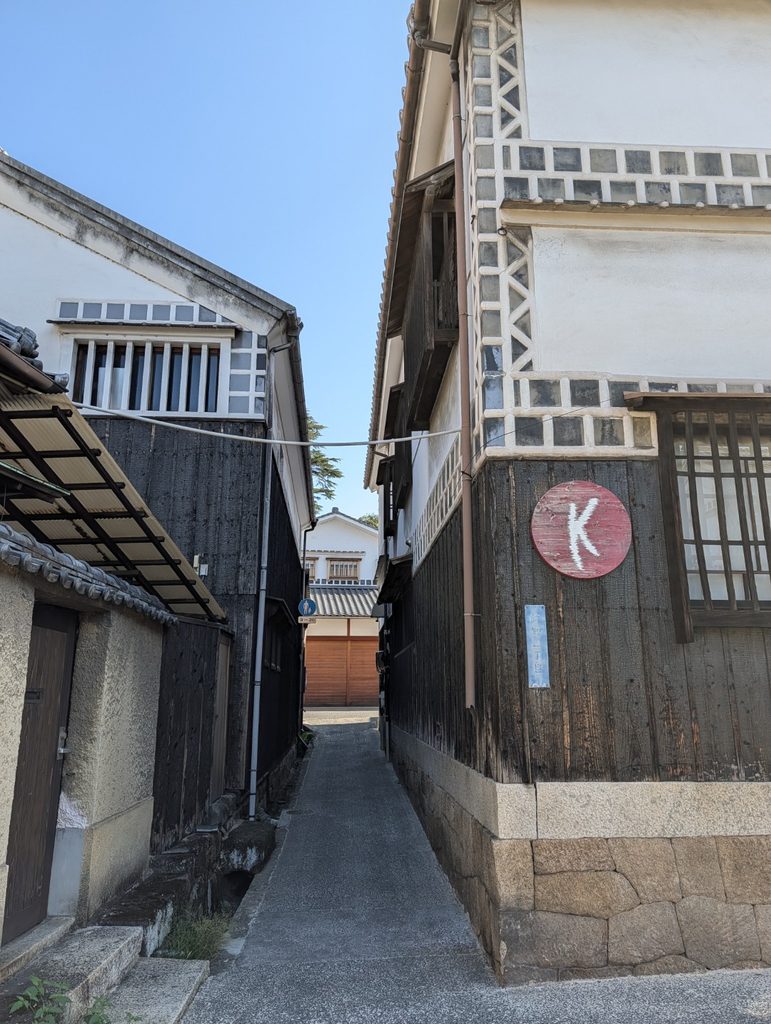
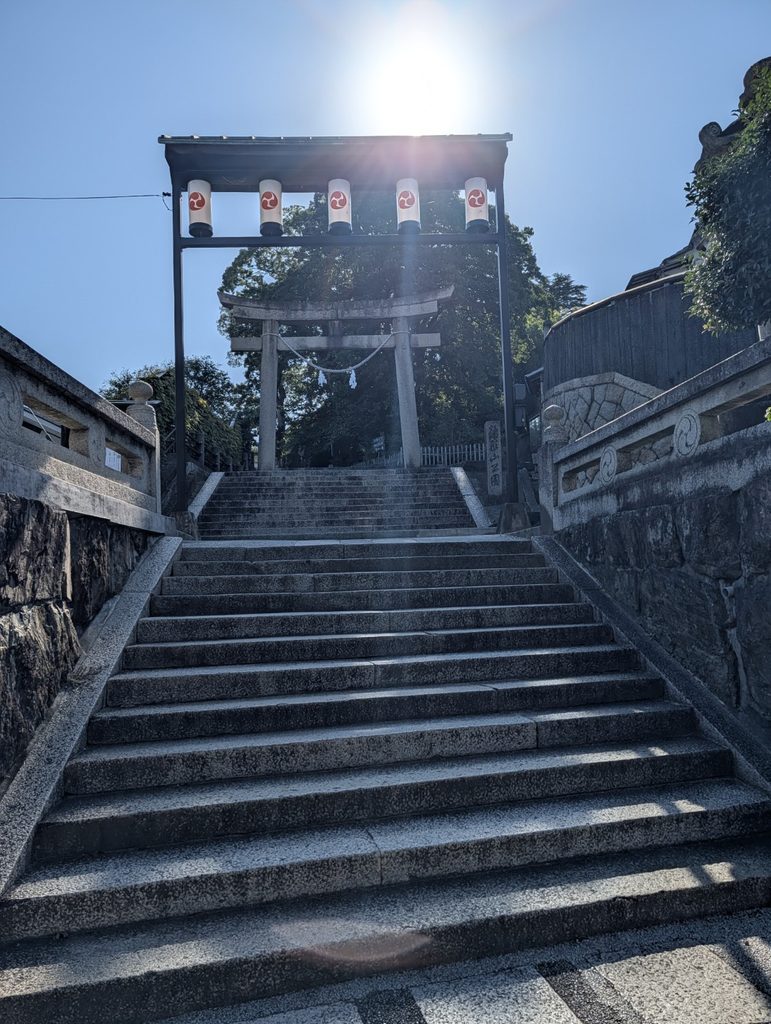
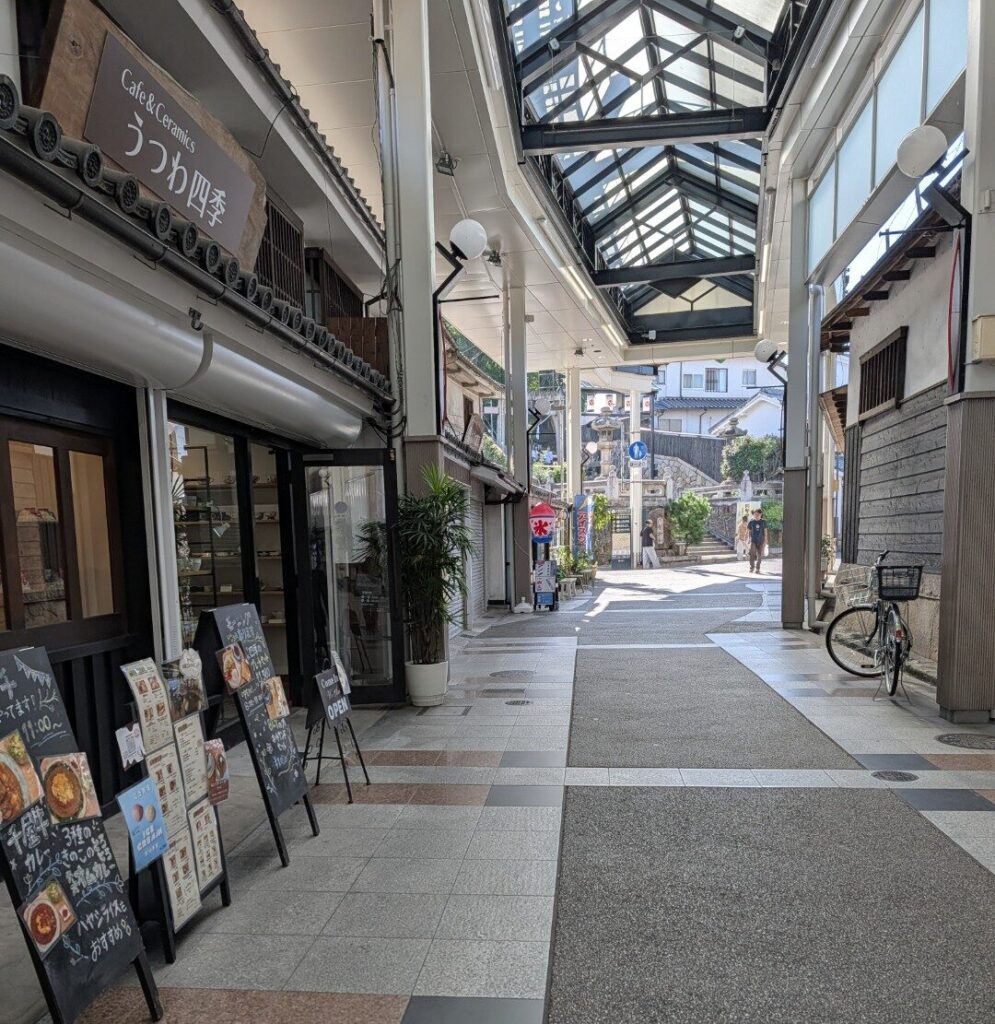
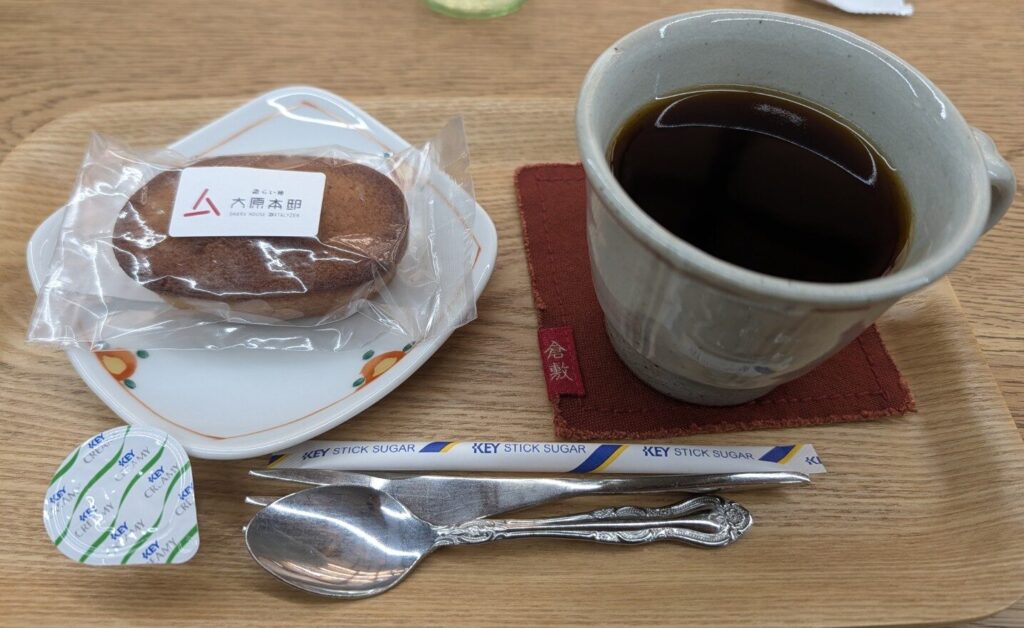
So, we headed to “Katarai-za Ohara Hontei” instead(The website is Japanese only).
Everyone in Kurashiki knows the Ohara family; they are truly remarkable. The famous Ohara Museum of Art—located in the Bikan Historical Quarter—was the first private art museum established in Japan by the family. It is renowned for its collection of masterpieces, such as El Greco’s *The Annunciation* and Claude Monet’s *Water Lilies*. I remember being overwhelmed by the spectacular lineup of artists—Picasso? Modigliani?—when I visited twenty-five years ago.
The Ohara family is famous for founding the Ohara Museum of Art and the company now known as Kuraray (which began in the spinning industry). Magosaburo Ohara, the seventh head of the family, was a particularly dynamic figure; not only did he expand the spinning company and bank inherited from his father, but he also founded an orphanage, a scientific research institute, and a major hospital. Asuka works at that very hospital.
The family’s residence still stands next to the art museum. Since it wasn’t crowded, we took our time exploring it and learning about the family’s history.
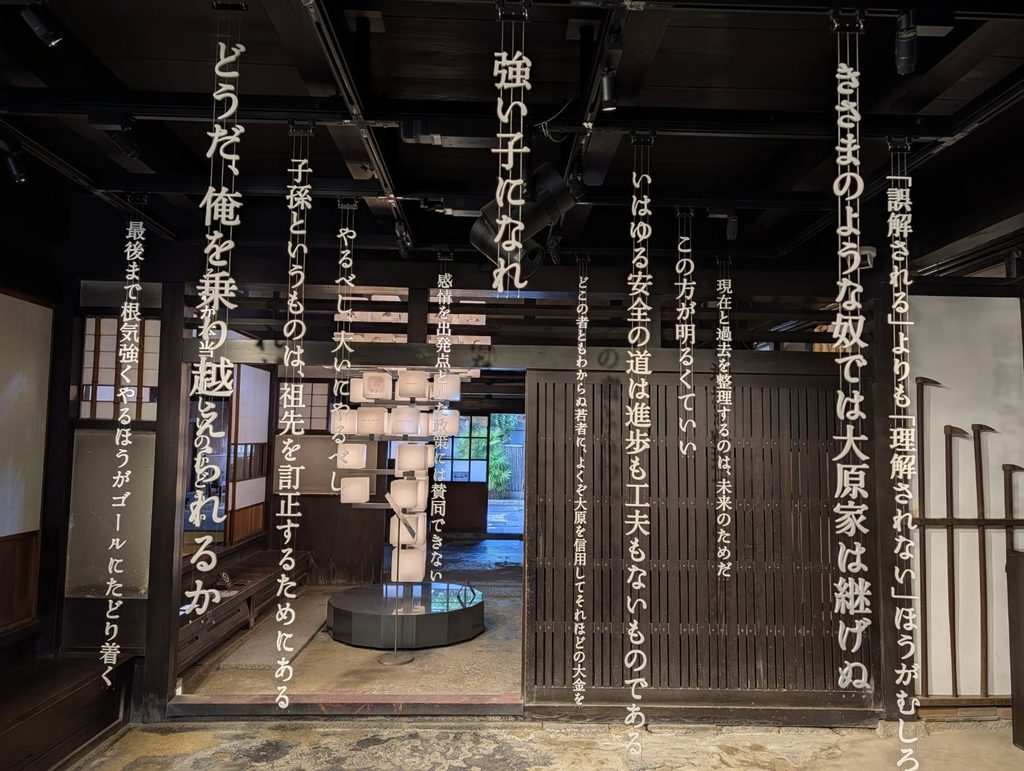
“If seven or eight out of ten people agree, it’s better not to do it.” “Descendants exist to correct the mistakes of their ancestors.” “I cannot endorse policies based on emotion.” These quotes offer a glimpse into their management philosophy.
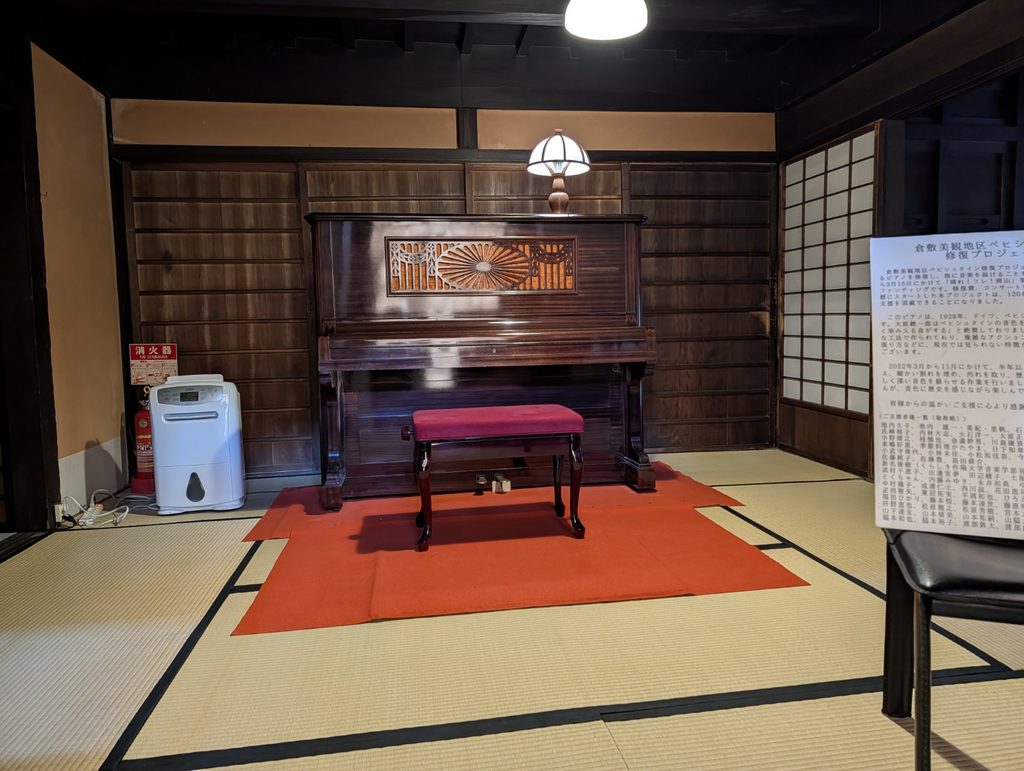
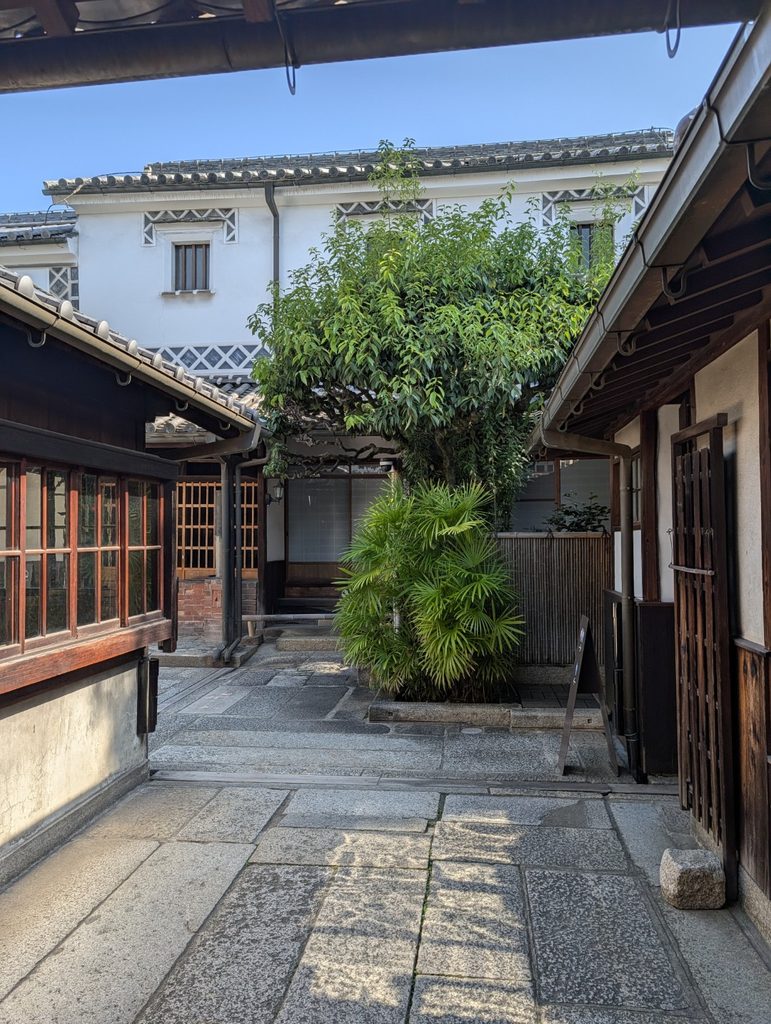
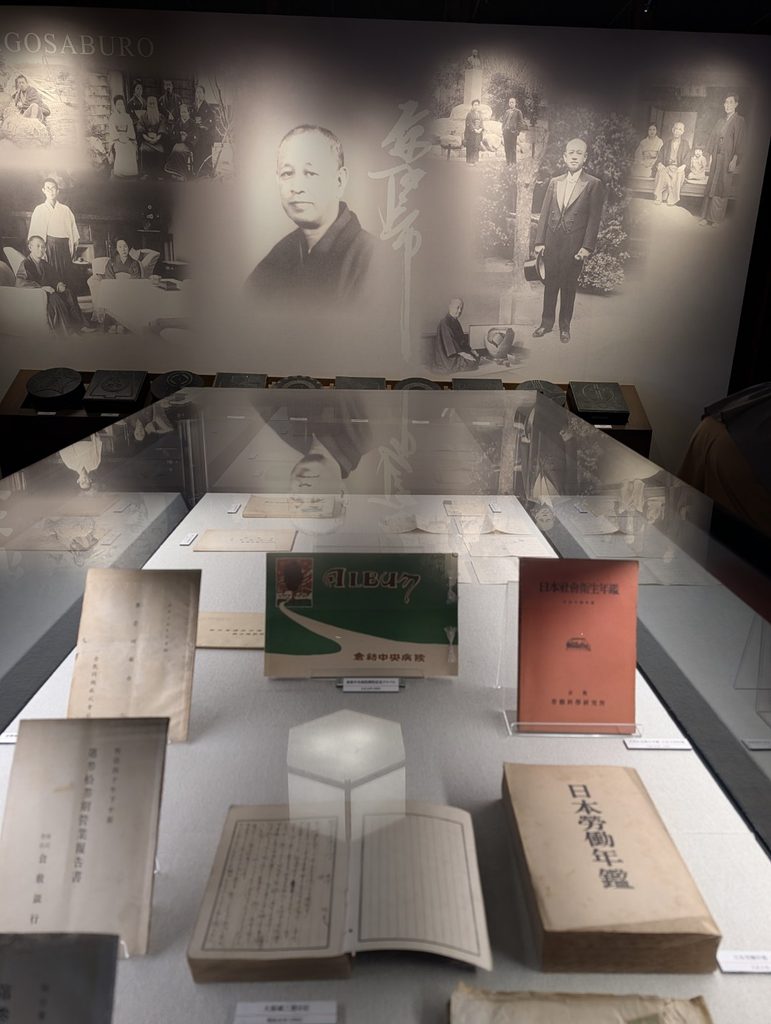
The highlight for me was the family study.
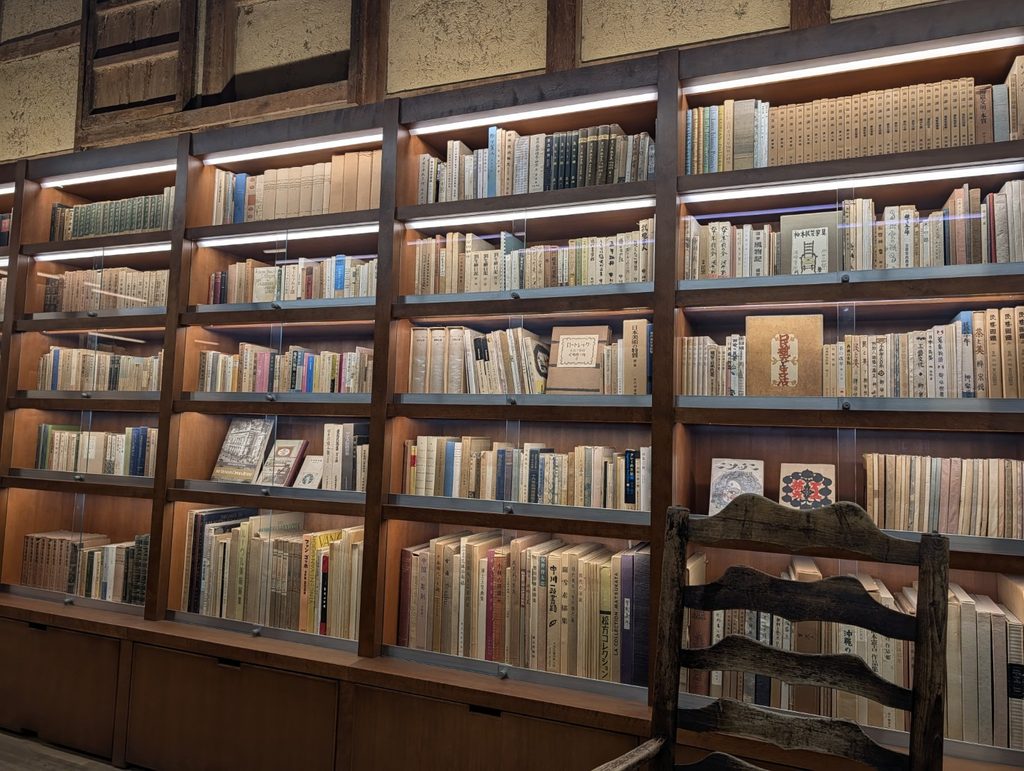
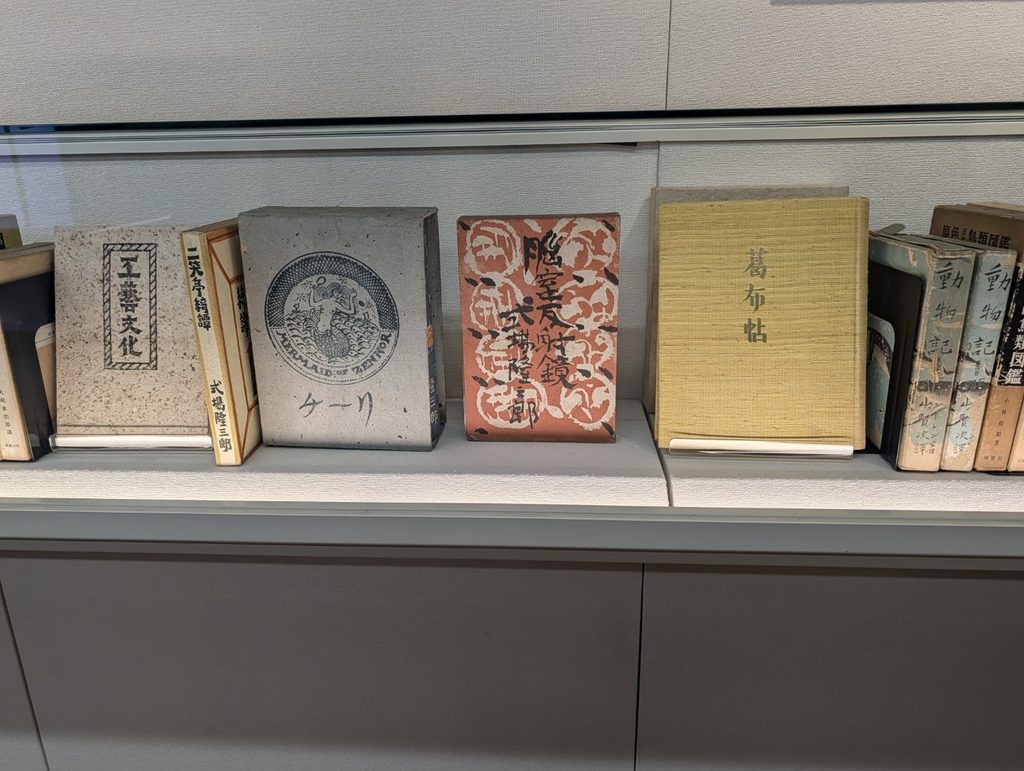
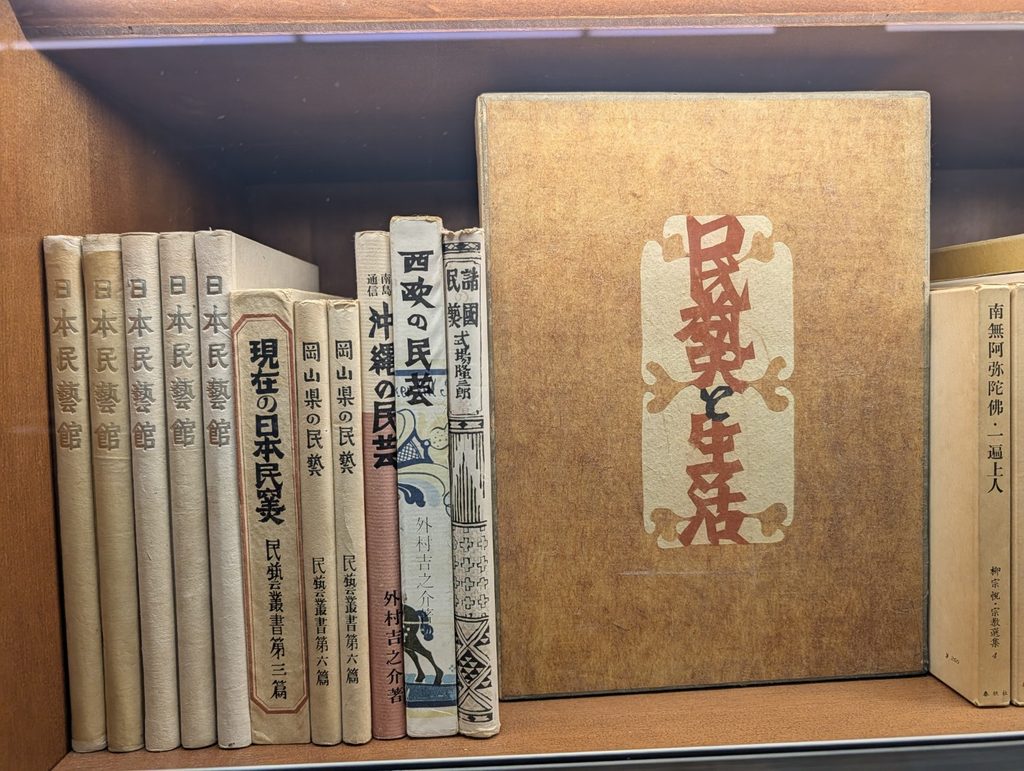
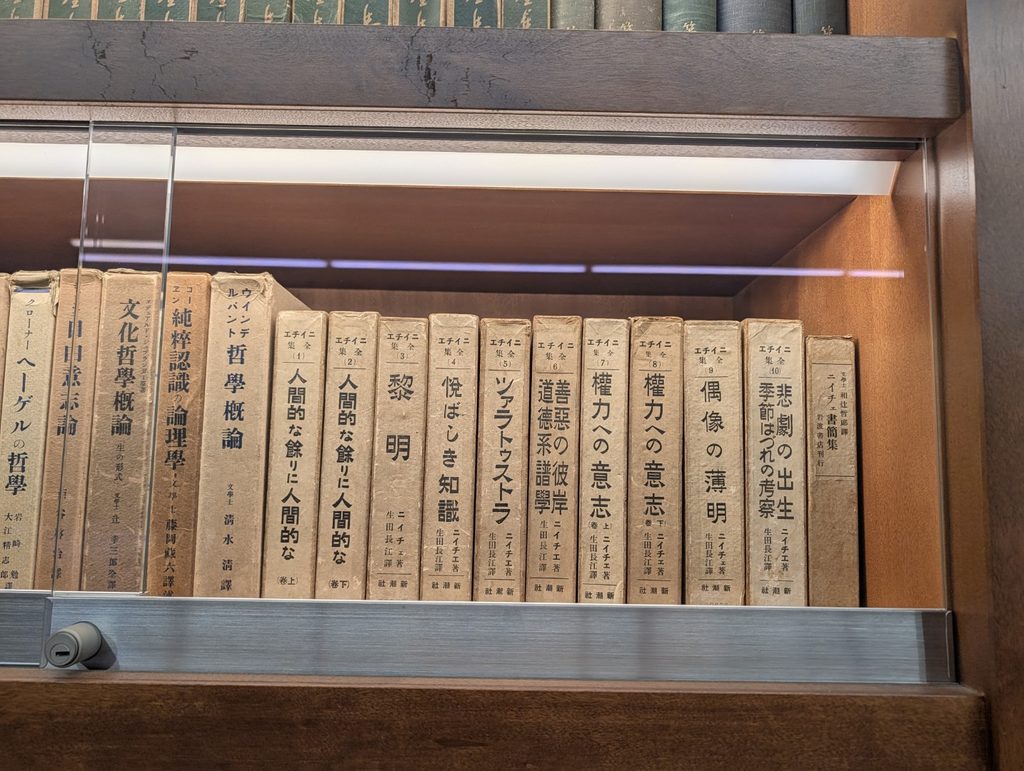
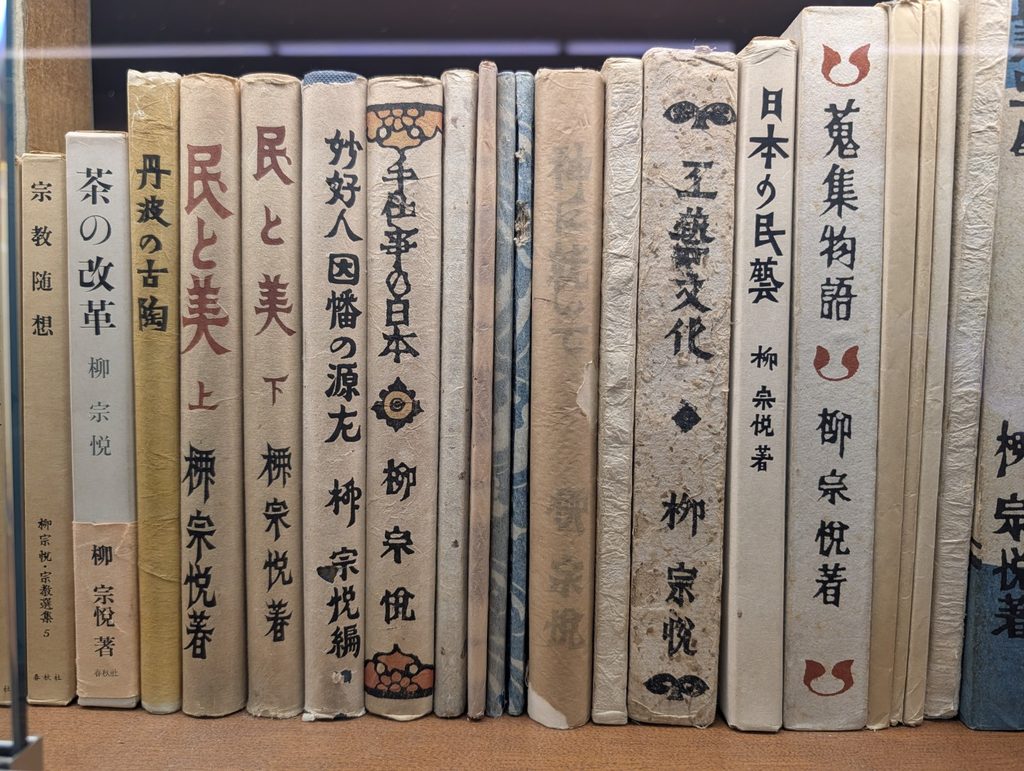
About 2,000 books were lined up on magnificent shelves (a staff member told us this was just a fraction of their total collection of 8,000 volumes), and as avid readers, we found ourselves captivated by the sight of each individual book spine.
The collection made it clear that these incredibly hardworking entrepreneurs were also voracious learners.
There was a massive line for the Ohara Museum of Art, so we decided to skip it this time.
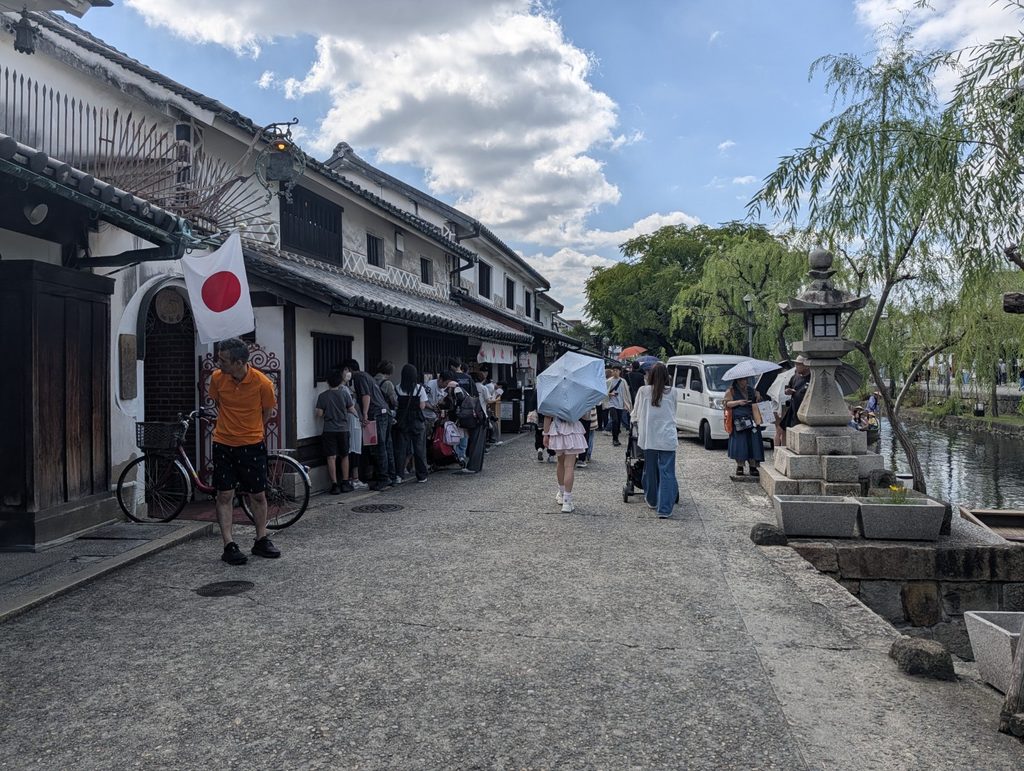
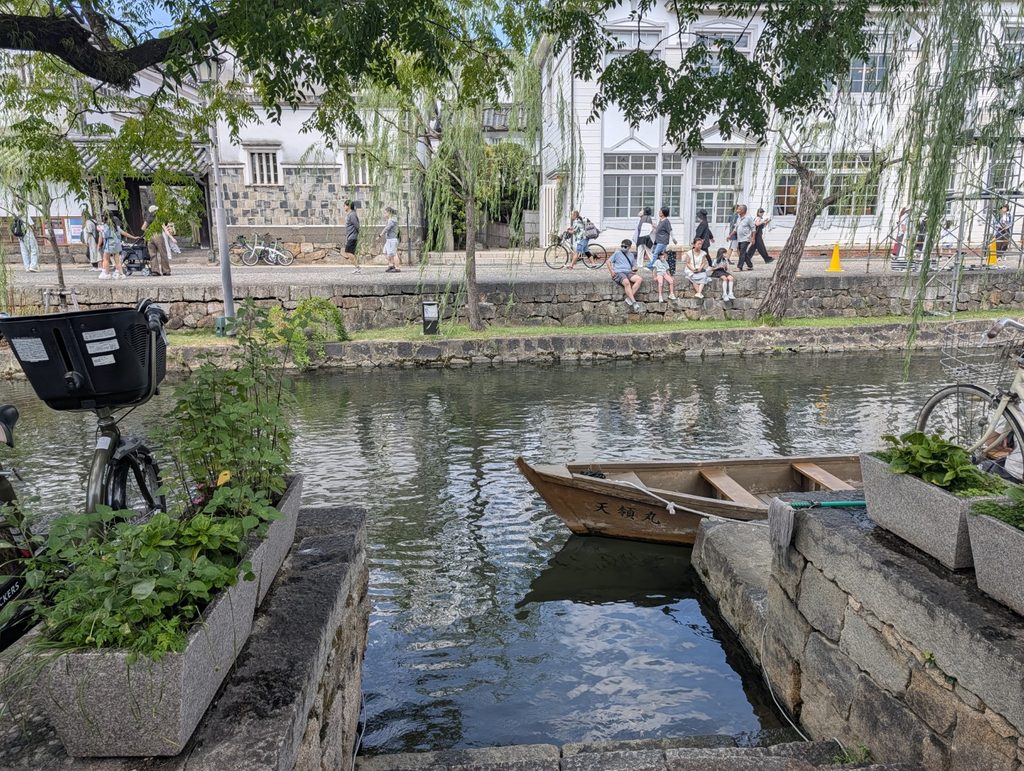
I could have just spent the whole time chatting with Asuka at a café, but since she told me, “I have time, I’m up for whatever,” I decided to go ahead and make a suggestion. “I’ve never crossed the Seto Ohashi Bridge, so I’d love to give it a try.”
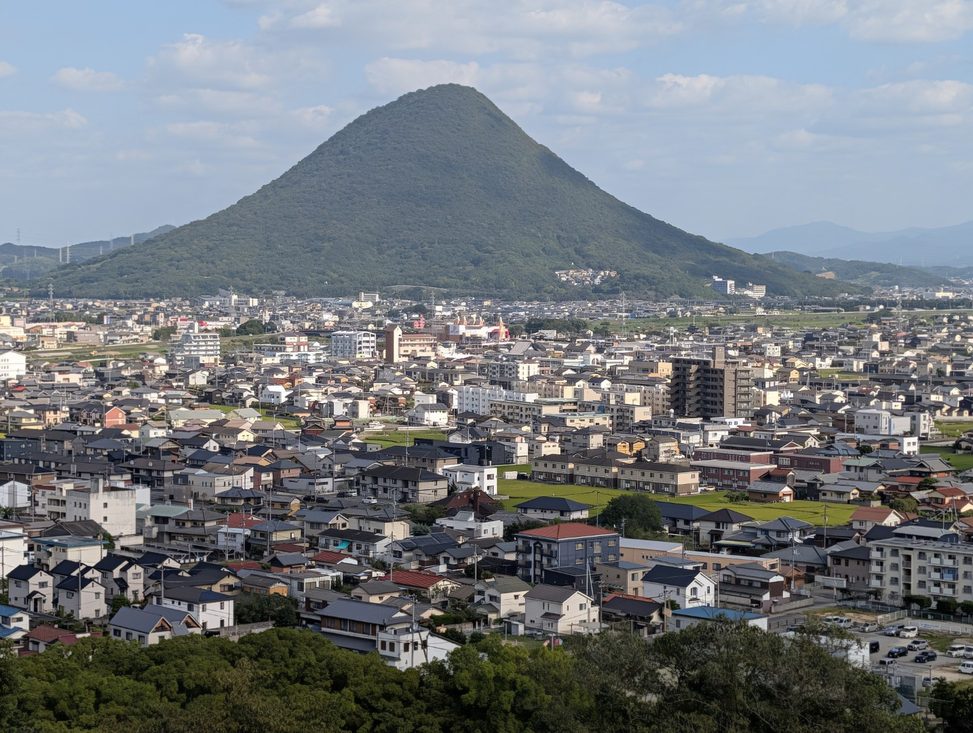
Indeed. Okayama faces Shikoku across the Seto Inland Sea. Checking the schedule, it looked like I could reach Marugame—a town in Kagawa Prefecture—in about 40 minutes by limited express train from Okayama. Since it was “Silver Week” (a series of holidays in September), I wondered if I’d even be able to get a ticket for a Shikoku-bound express on such short notice… but I managed to hop on one and even found a seat.
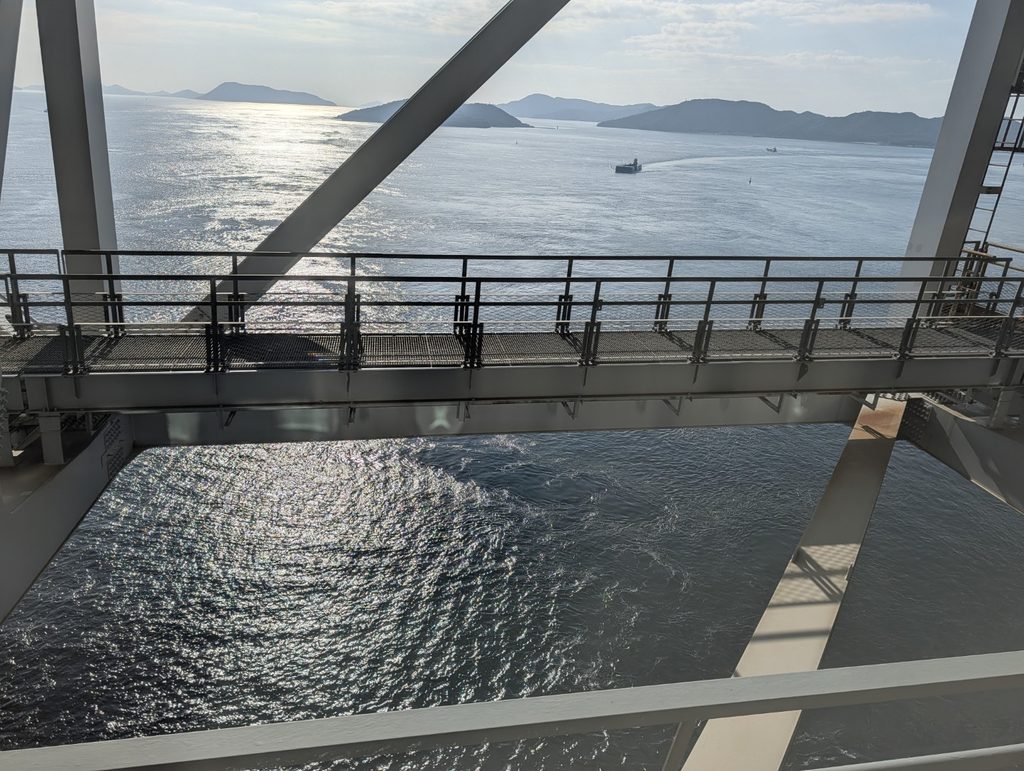
My first time crossing the Seto Ohashi Bridge!
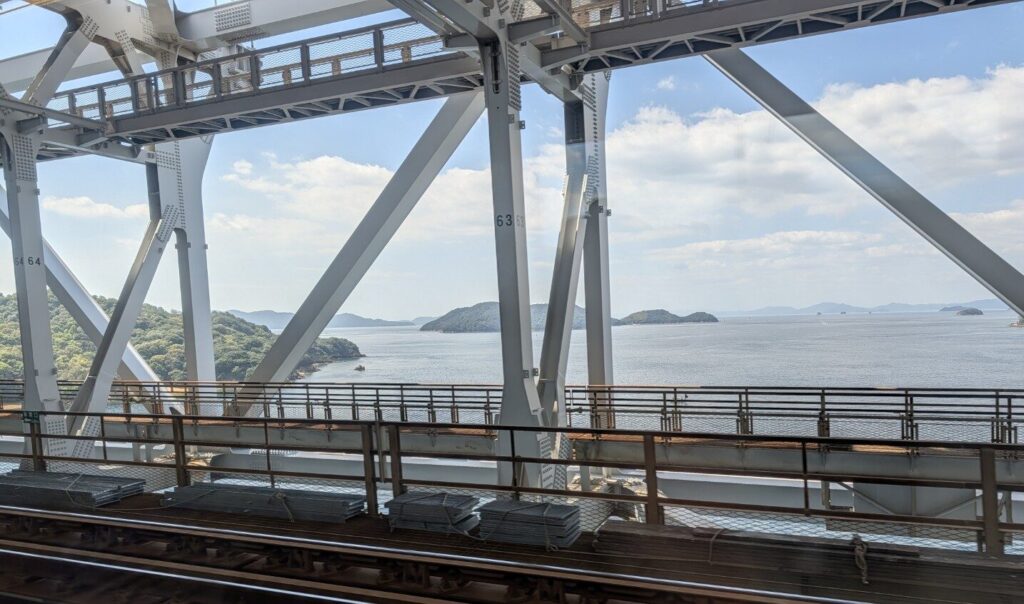
The bridge was completed in 1988. I was a 15-year-old junior high student back then, but I remember it being huge news. Connecting Shikoku and Honshu—which had previously relied solely on ferry services—was a monumental development for the flow of both goods and people.
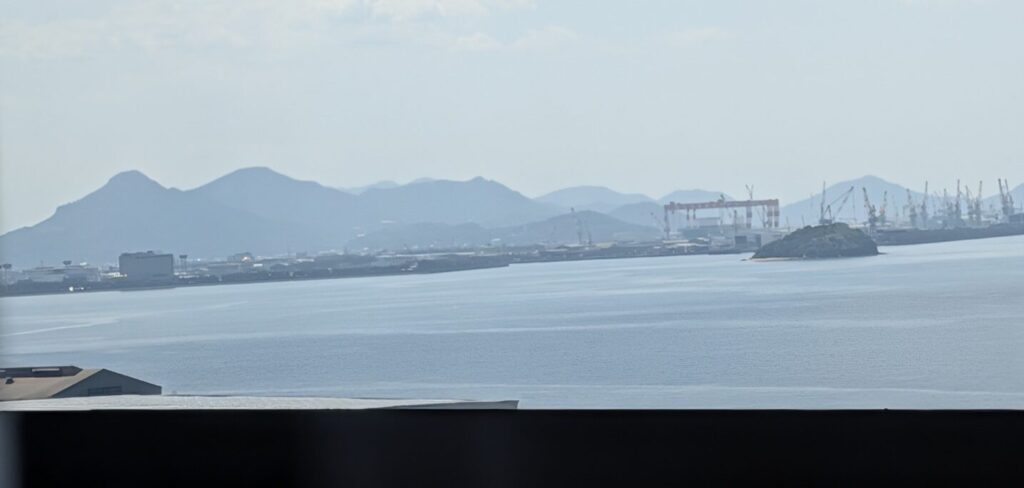
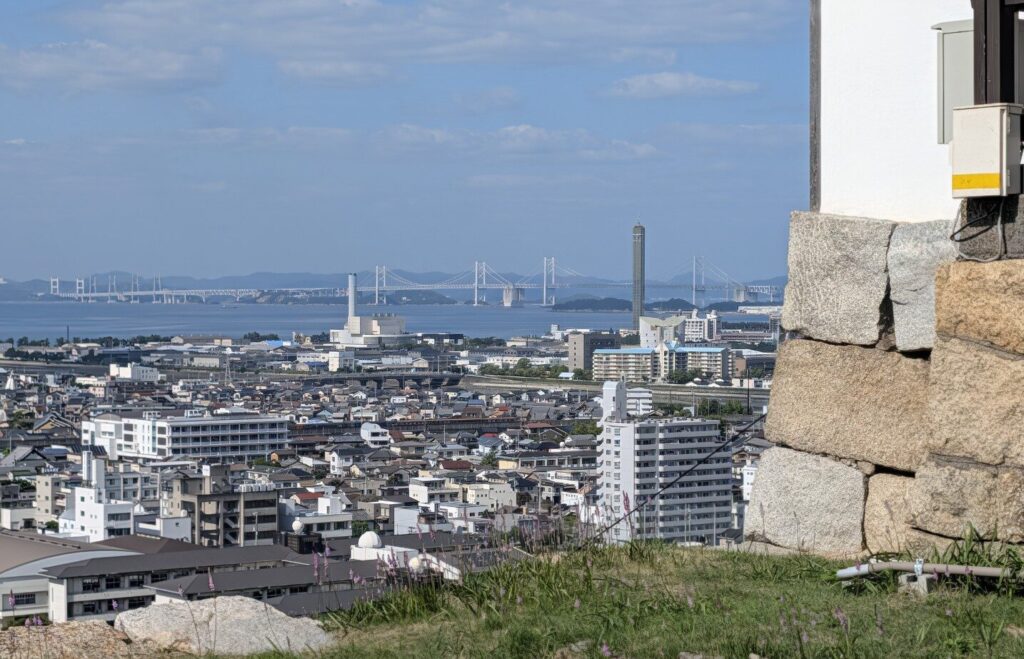
As we entered Kagawa Prefecture, I could sense the area’s growth, with rows of new apartment buildings—including high-rises—lining the landscape.
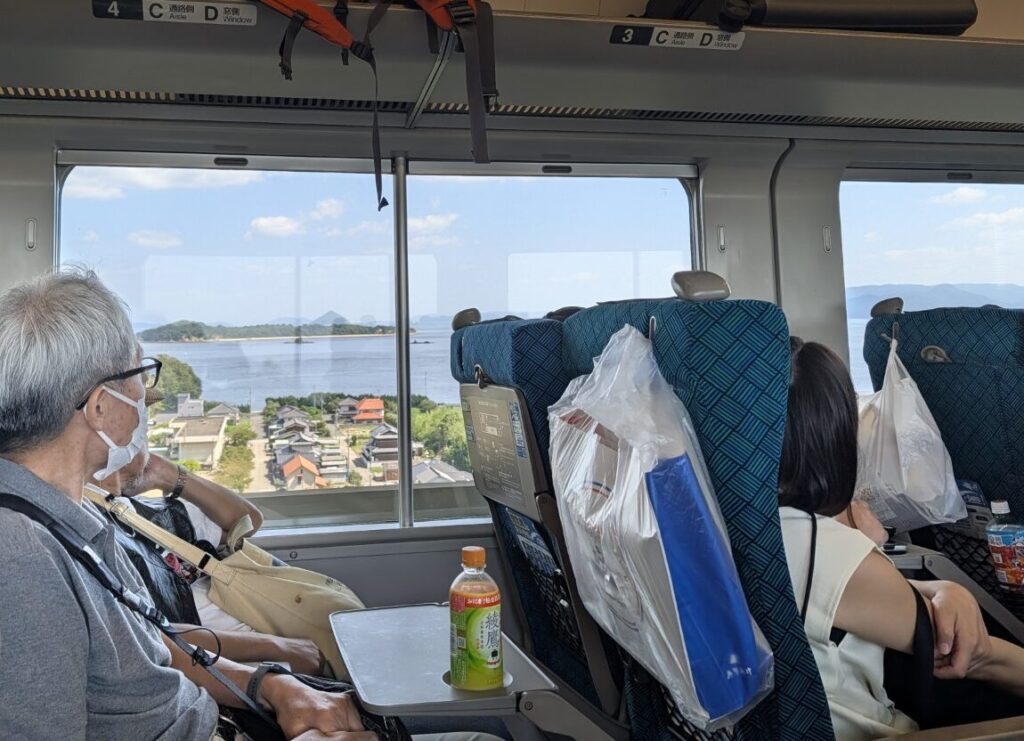
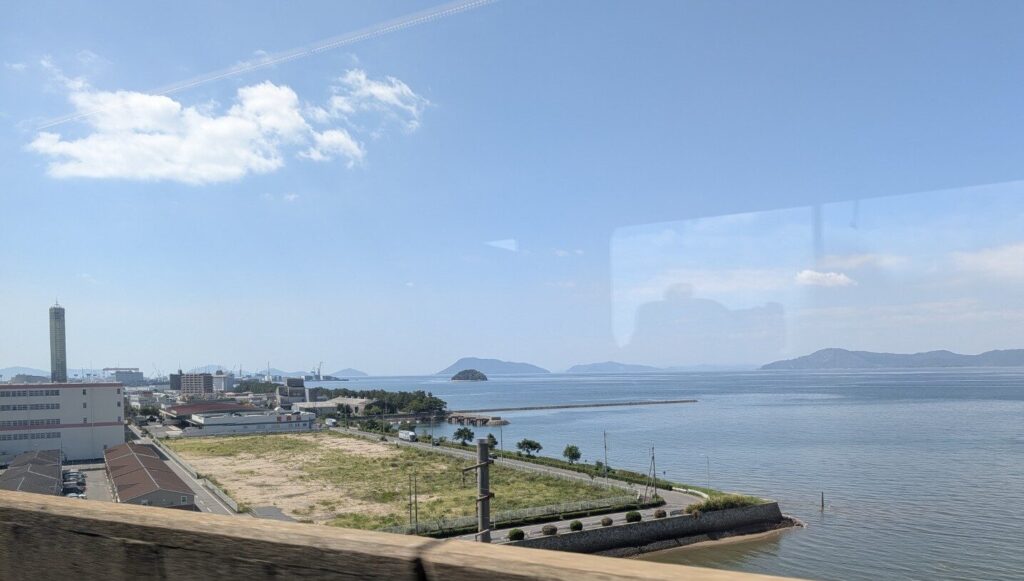
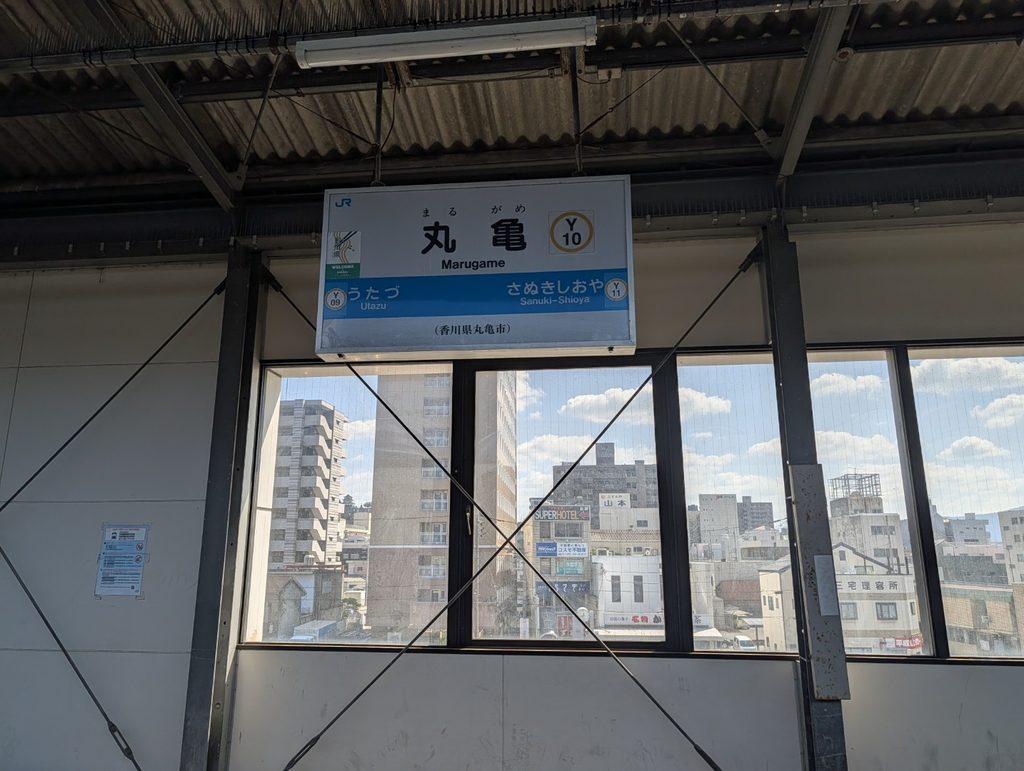
We arrived at Marugame Station in Kagawa around noon.
About the city: The Marugame City Tourism Website
Having missed breakfast, our first priority was finding an udon shop. After all, Kagawa is so famous for udon that it’s often nicknamed “Udon Prefecture”—a place where udon culture is deeply rooted. Kagawa’s udon is known as “Sanuki Udon.” Over twenty years ago, a Sanuki Udon boom swept the country; I jumped on the bandwagon and visited Kagawa back then, too, hopping between about seven shops in a single day with friends. (At around 100 yen a bowl—and with smaller portion sizes—you really can eat a lot of it!)
However, this time, none of the shops were open.
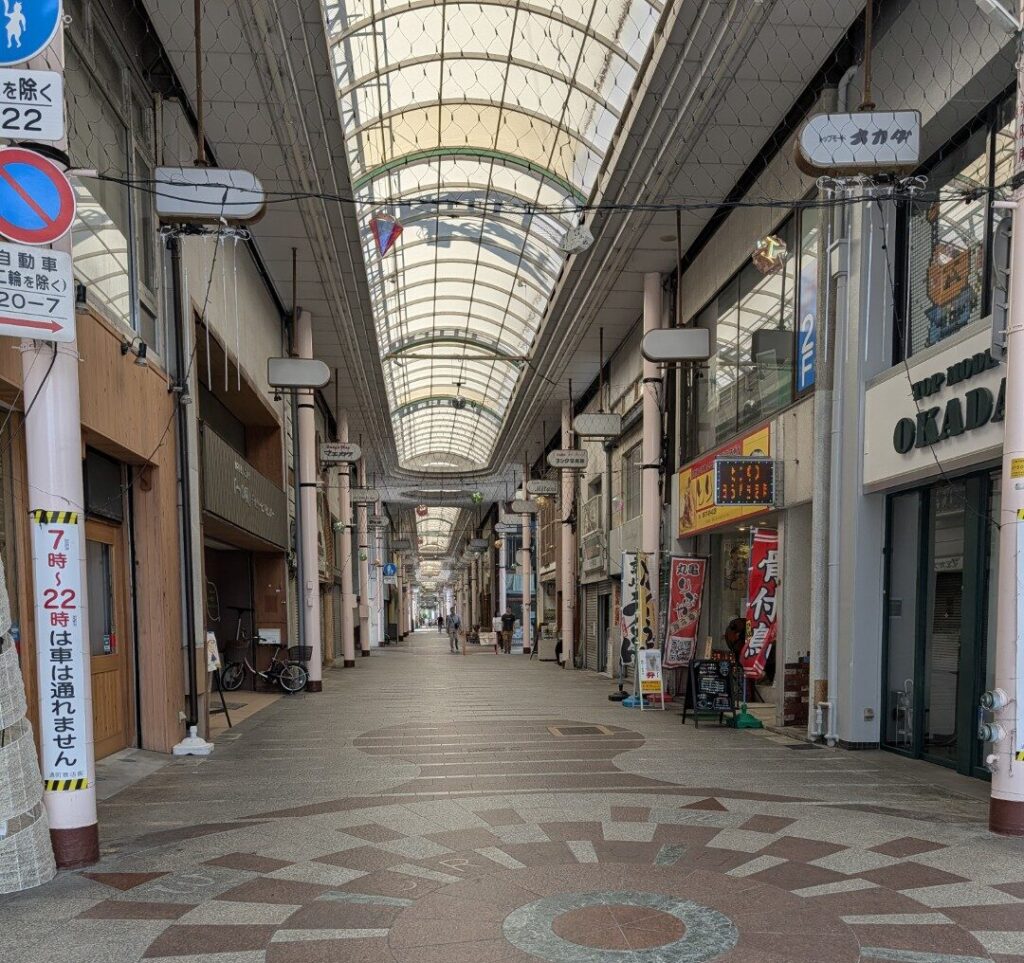
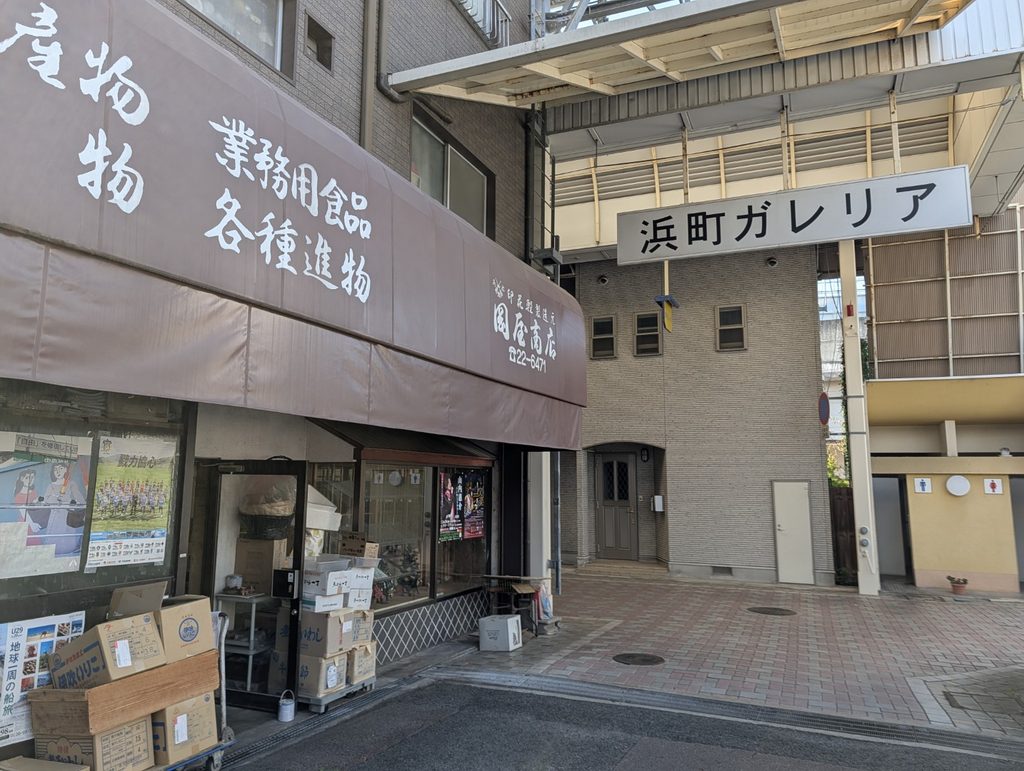
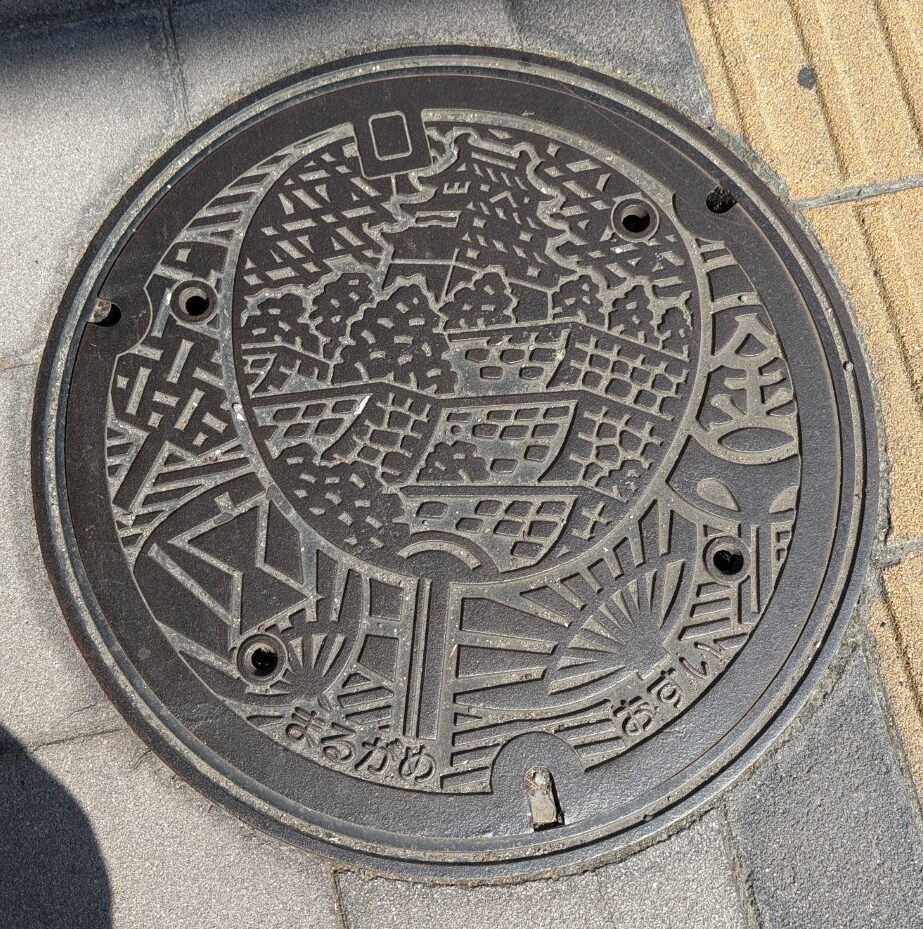
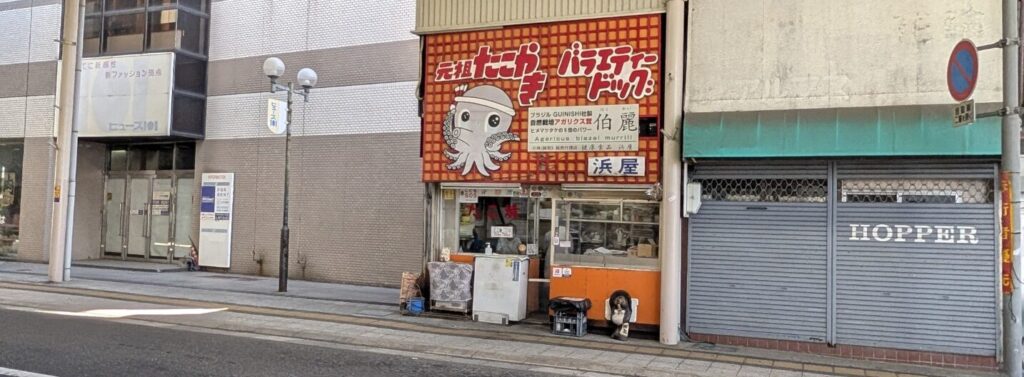
The town felt quiet and deserted compared to the Okayama side… It seems that during Silver Week, there’s a stark difference in foot traffic between major tourist spots and other areas. Marugame fell into the latter category; the shops in the covered arcade were all closed up.
I thought to myself, “I suppose Okayama has the Shinkansen bringing a steady flow of people, whereas Shikoku—despite having the Seto Ohashi Bridge—still faces a bit of a disadvantage…” Just then, I saw an incredible line of people.
Asuka shouted out. “Oh, look—it’s IKKAKU!”
“What’s IKKAKU?” “It’s a famous chicken restaurant I went to with a friend in Kagawa back in the day.”
It turns out Marugame is famous not just for udon but also for “bone-in local chicken,” and this is one of the renowned spots serving it. As someone from the Kanto region, I’d never heard of it, but the line was huge! I’d love to try it someday.
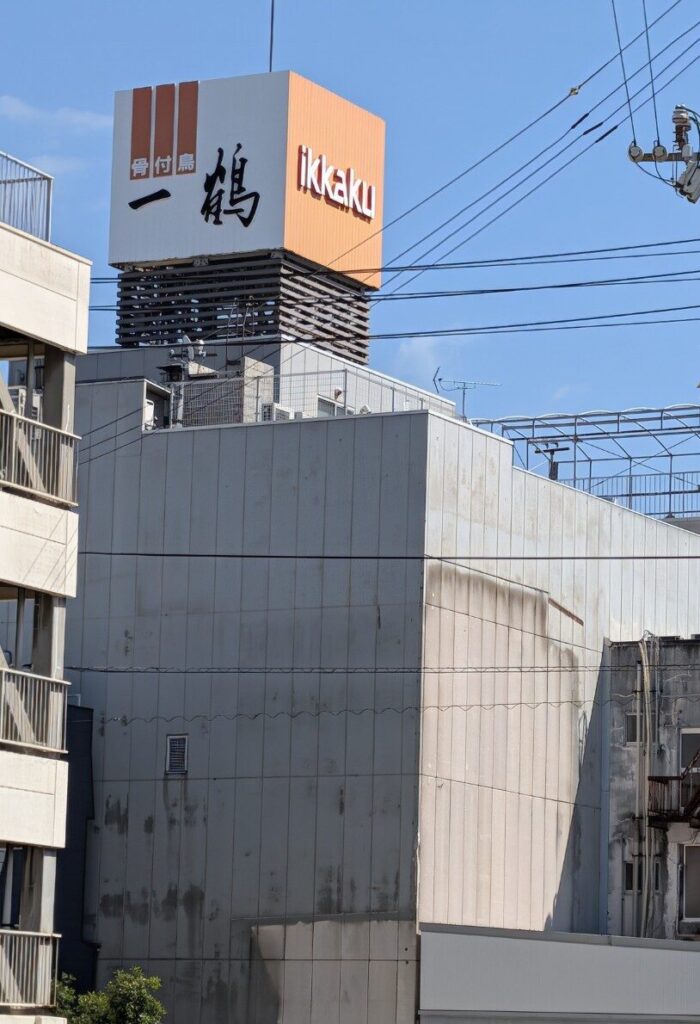
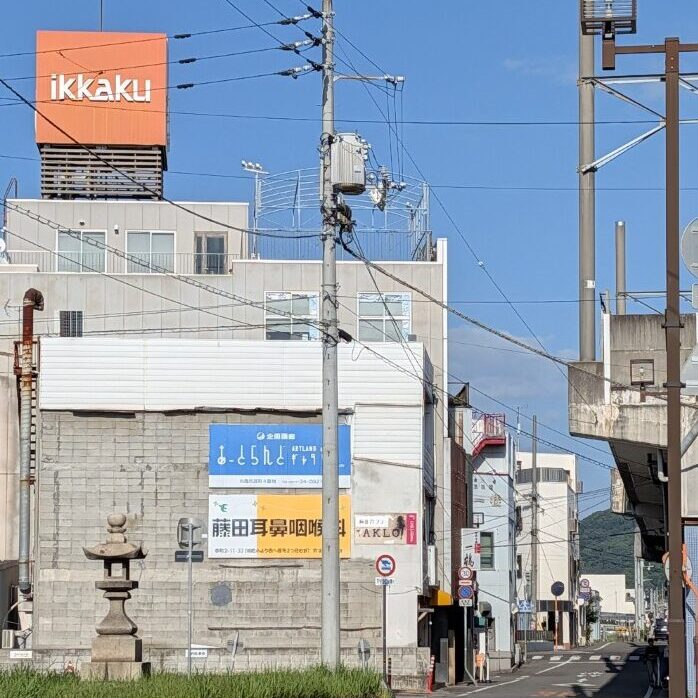
See more: Ikkaku Official Website(Japanese only)
It wasn’t just this place; there were lines at udon shops scattered all over town that day. Whether it’s here or anywhere else, people’s love for good food is the same—it seems like a constant stream of hungry customers year-round.
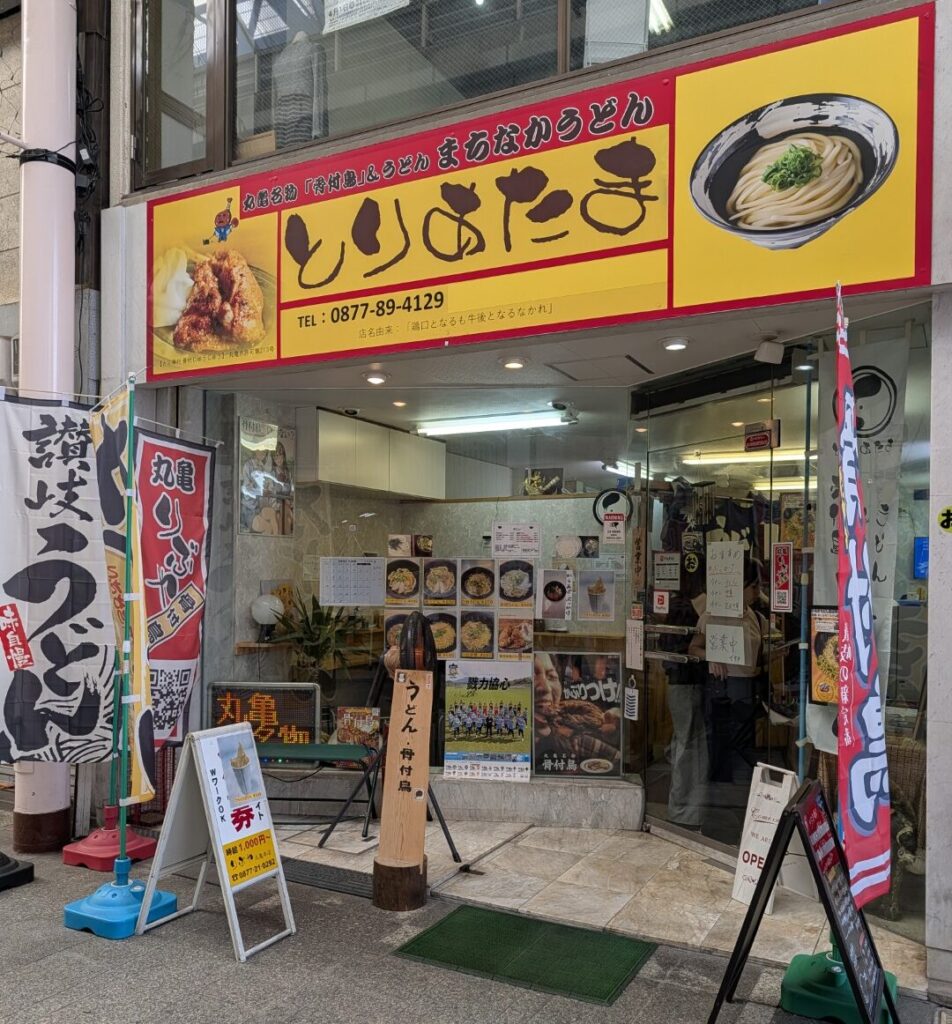
We ended up at an udon shop that served both udon and the bone-in chicken.
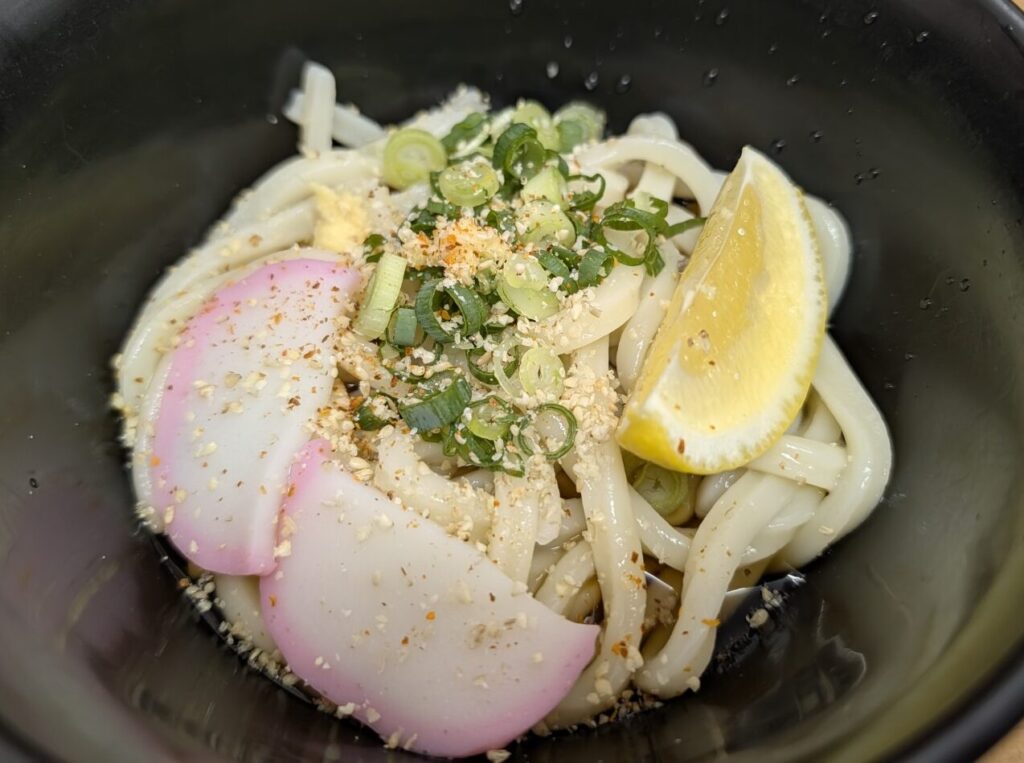
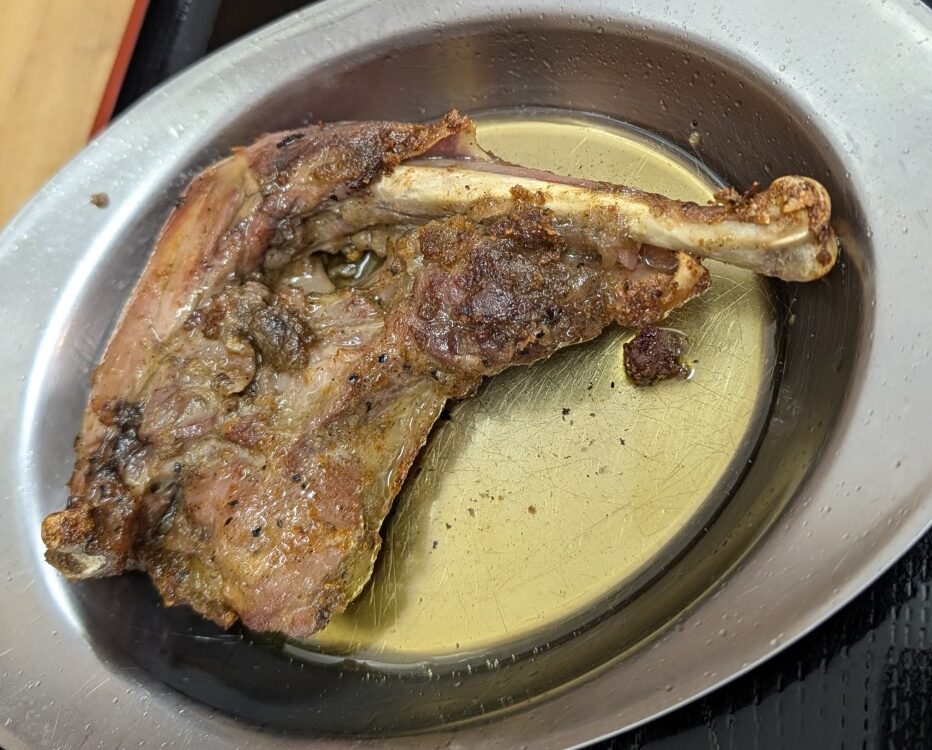
The chicken was punchier with garlic and black pepper than I expected, pairing perfectly with the light, simple udon. Delicious!
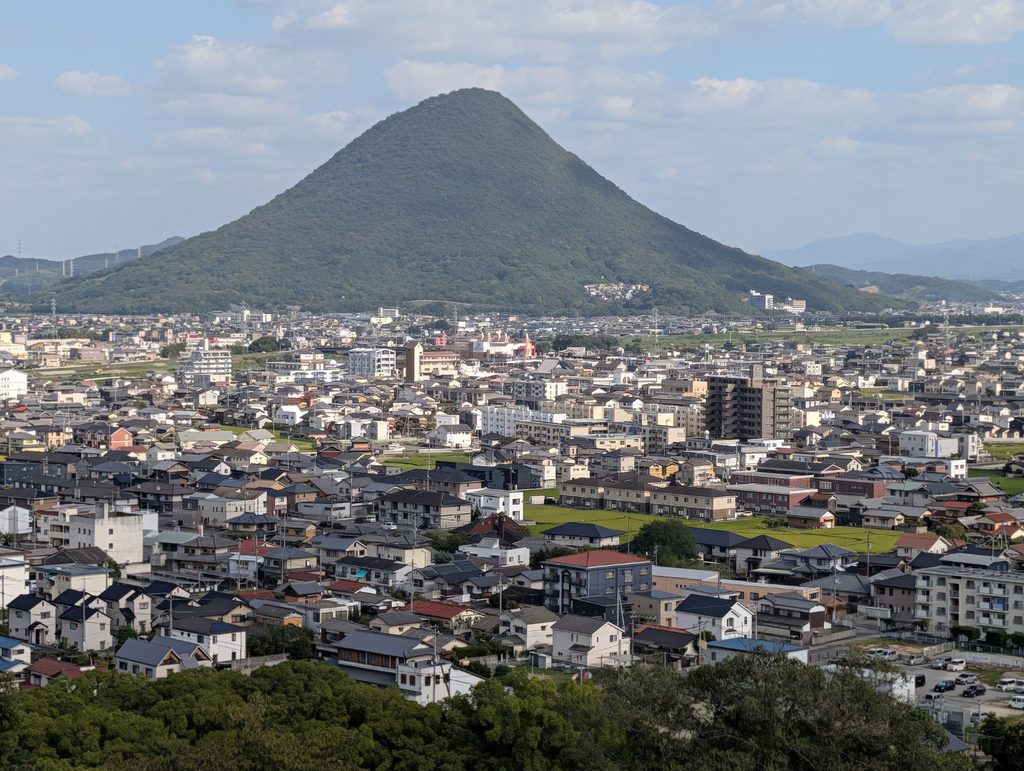
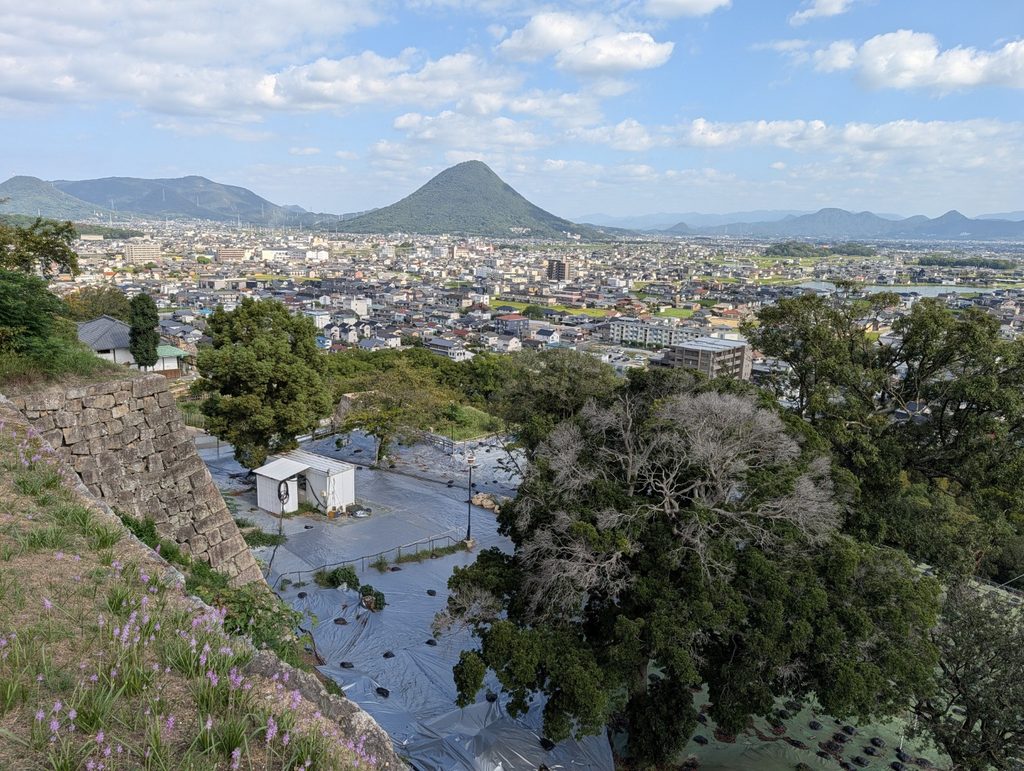
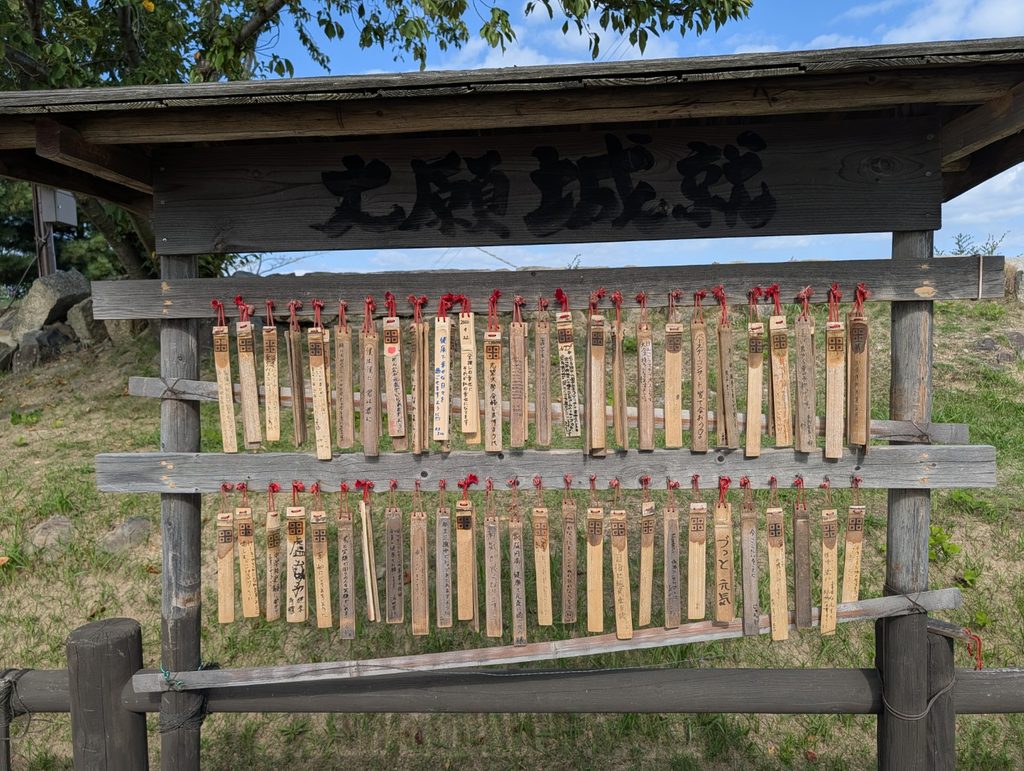
Rising imposingly in the center of Marugame City is Marugame Castle, built about 400 years ago. The castle itself is on the smaller side, but as you can see, it’s famous as a “masterpiece of stonework,” boasting the tallest stone walls in Japan.
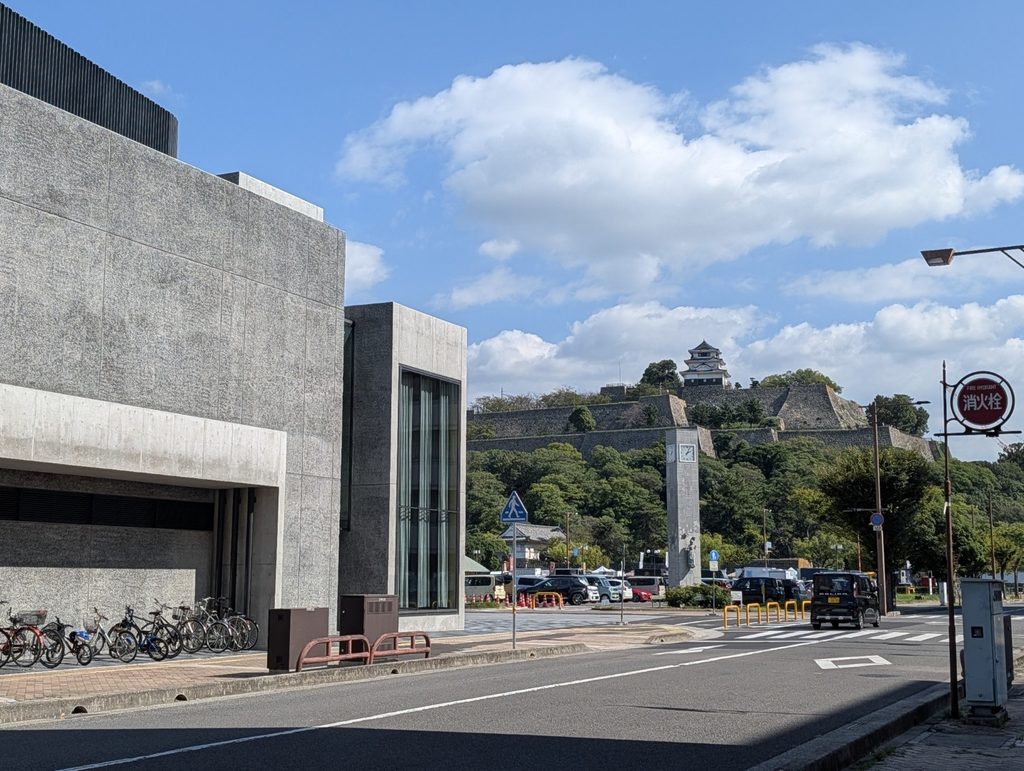
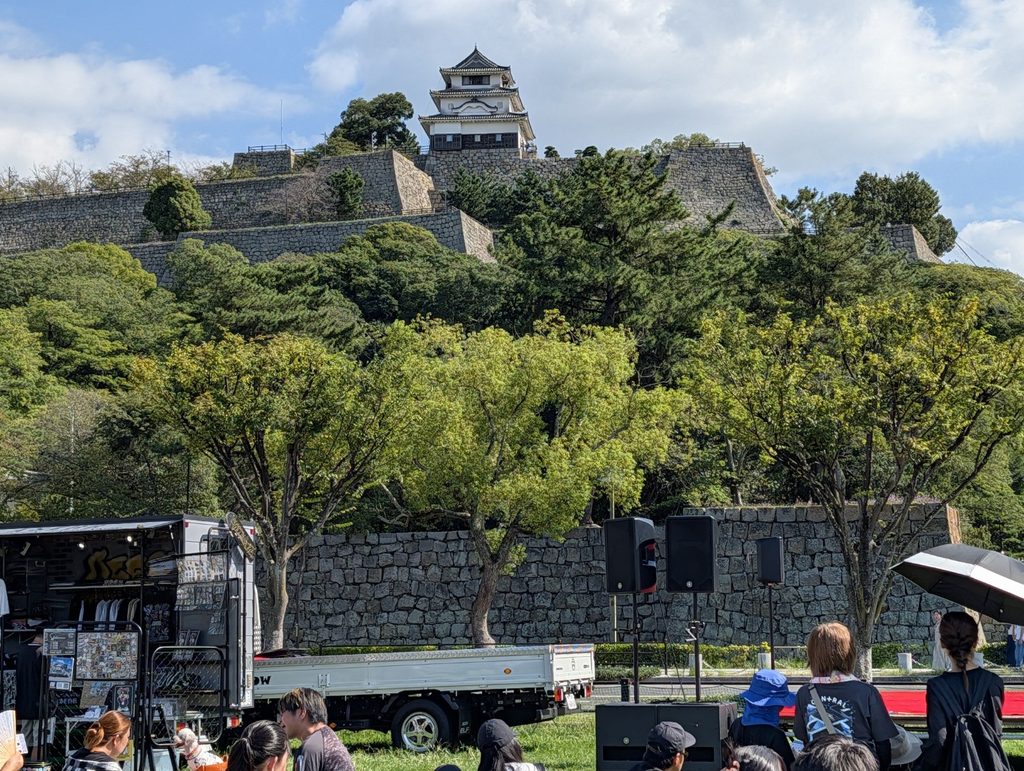
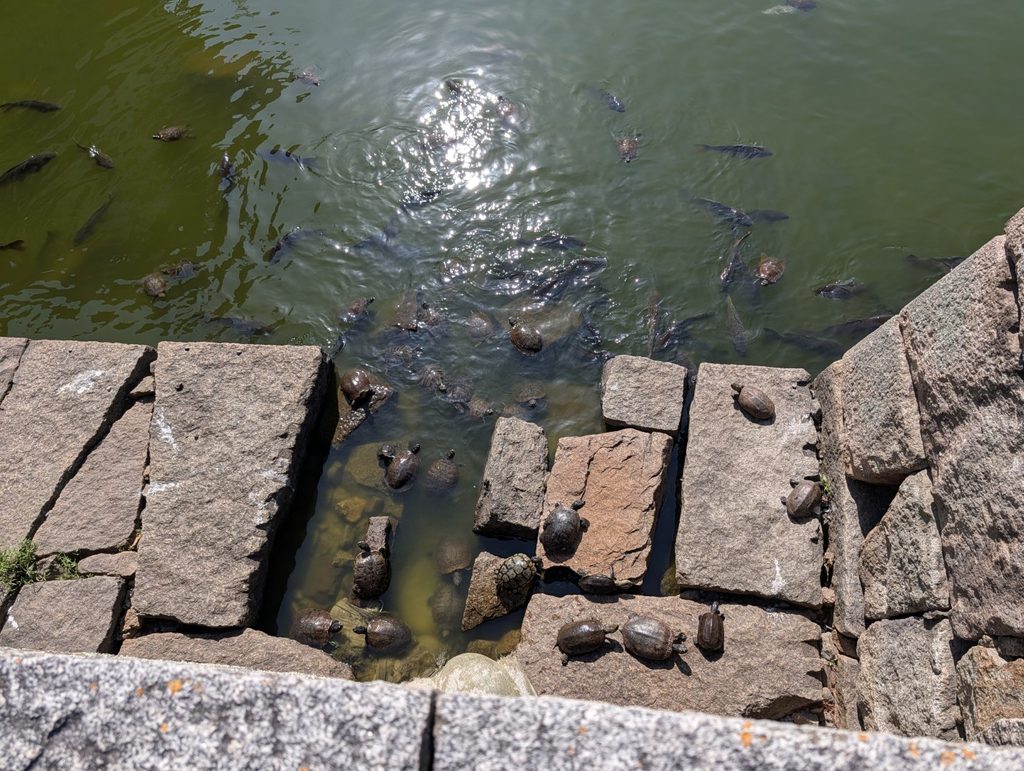
We were initially hesitant about the climb, but figuring we shouldn’t miss the chance since we’d come all this way, we made our way up at a leisurely pace.
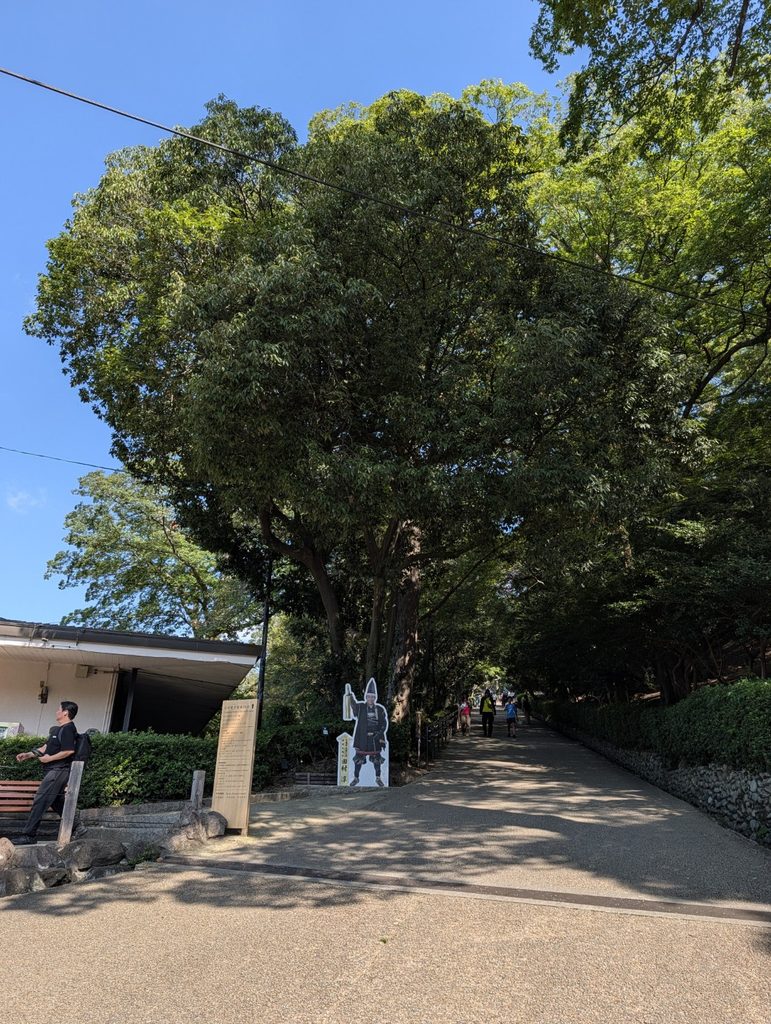
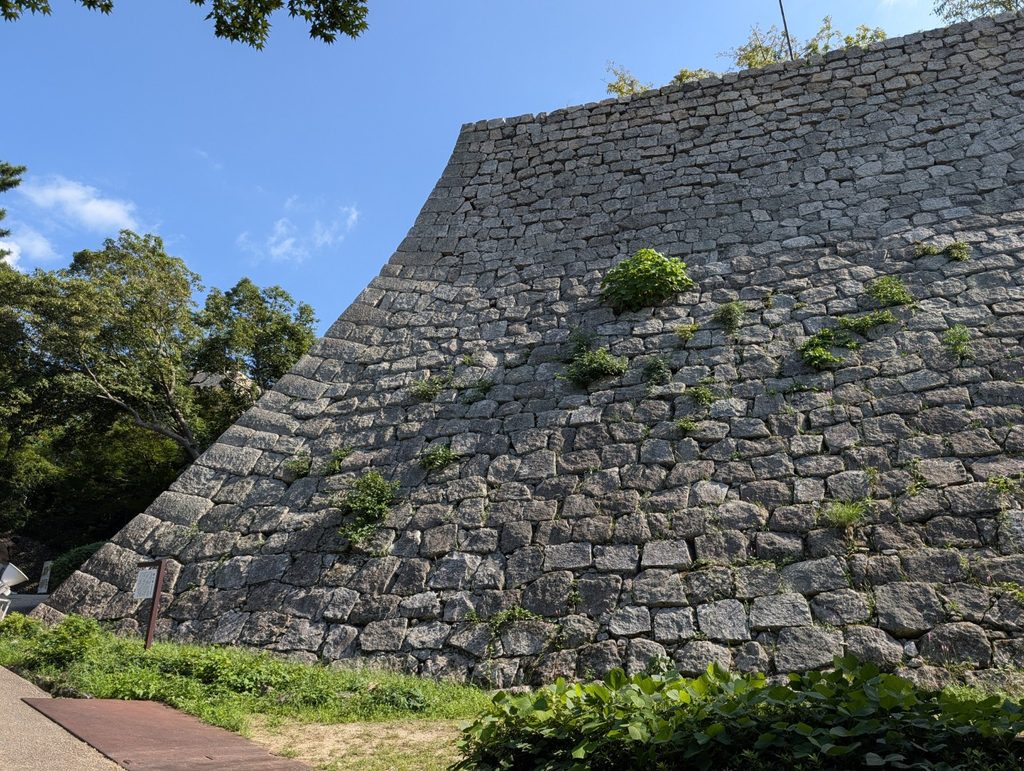
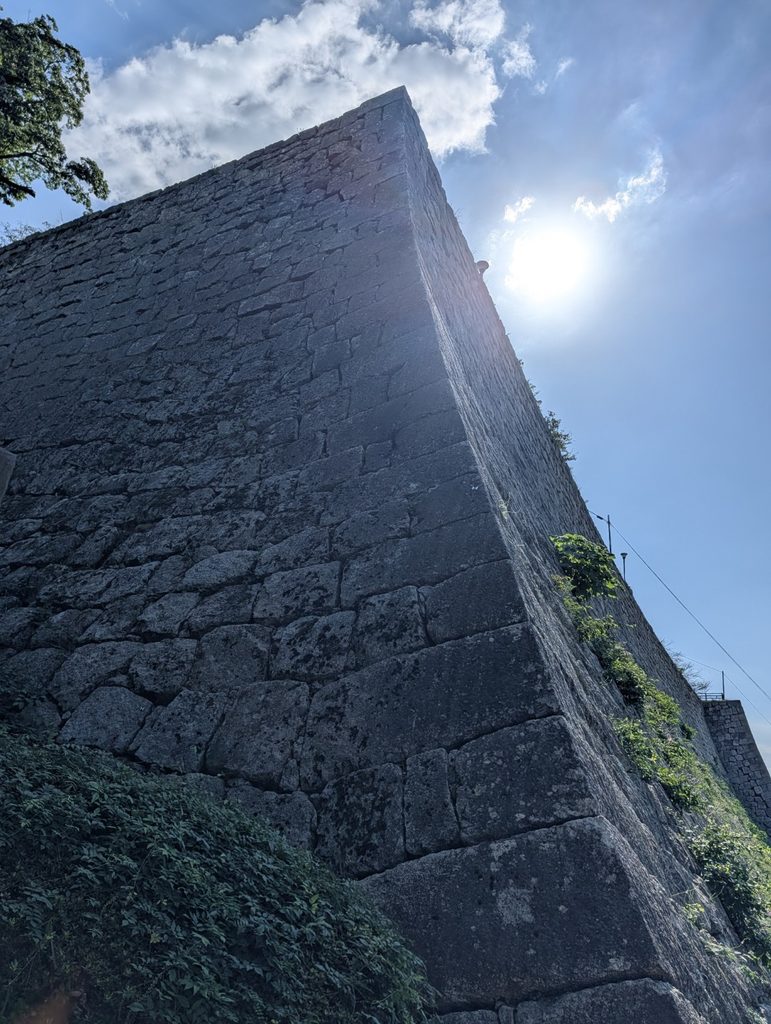
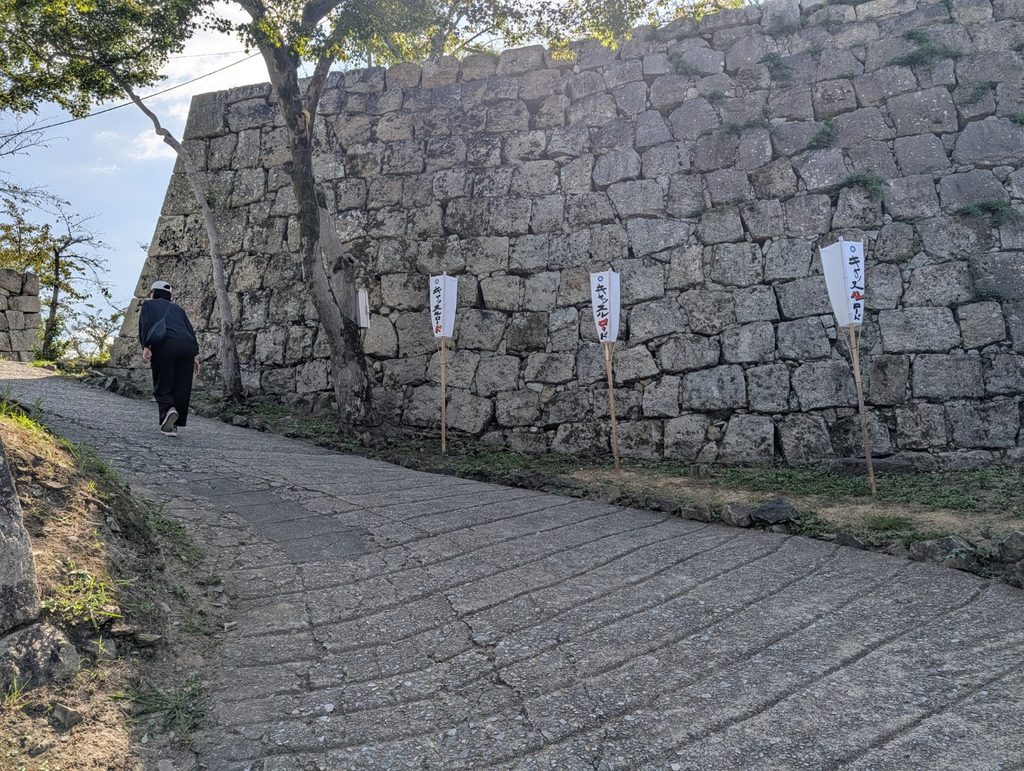
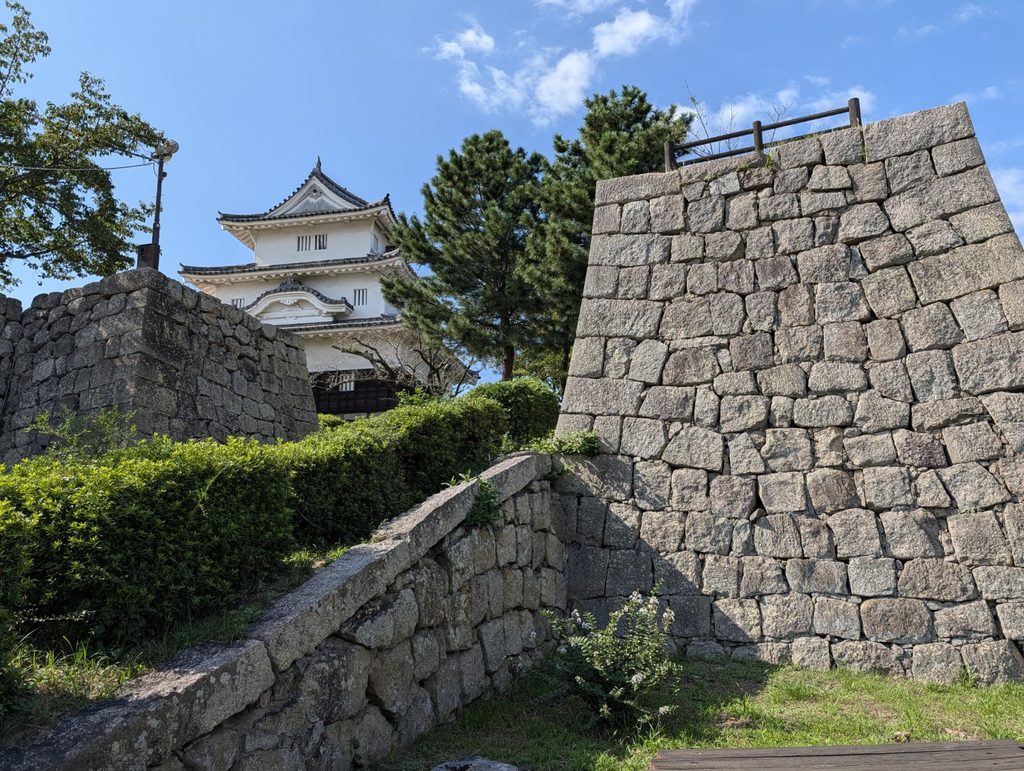
Climbing up was the right call!
After a spontaneous and enjoyable time in Kagawa Prefecture, we returned to Okayama Station.
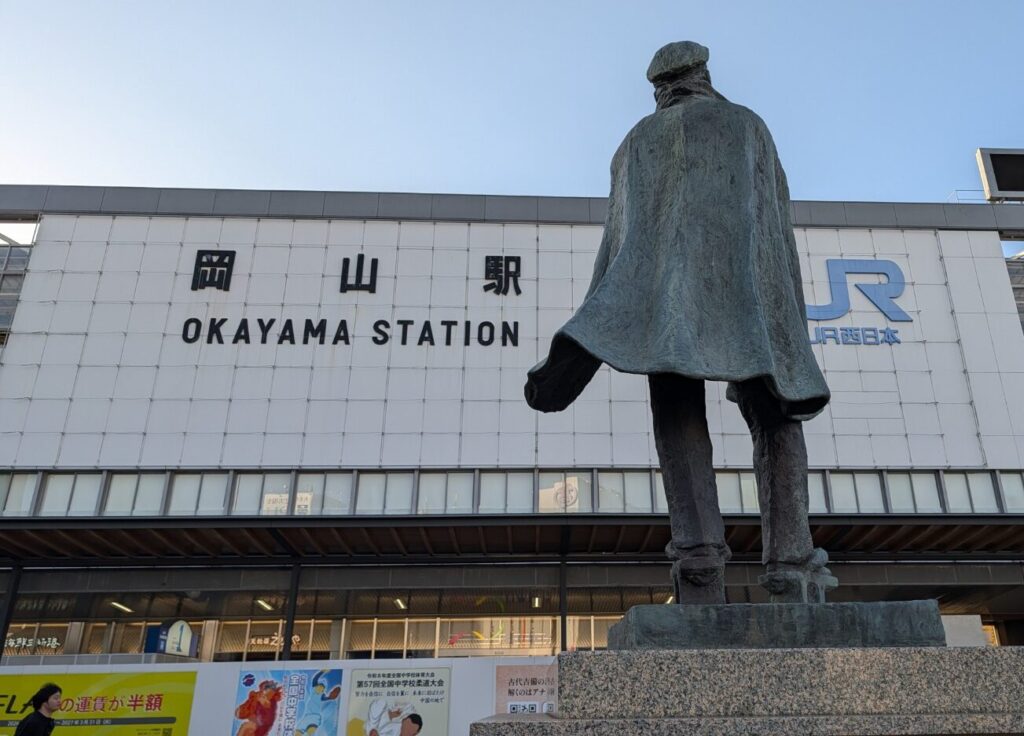
We had dinner at a casual izakaya near Okayama Station, and I caught the 8:00 PM Shinkansen home. I had the next day off, but she had to work at a large hospital.
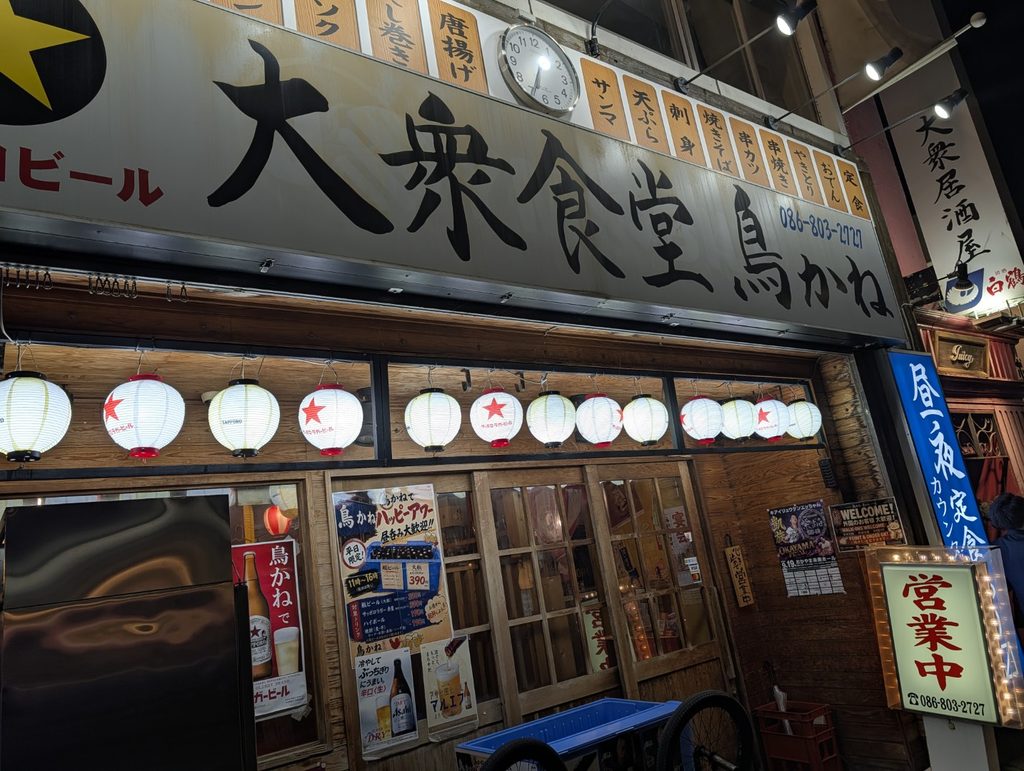
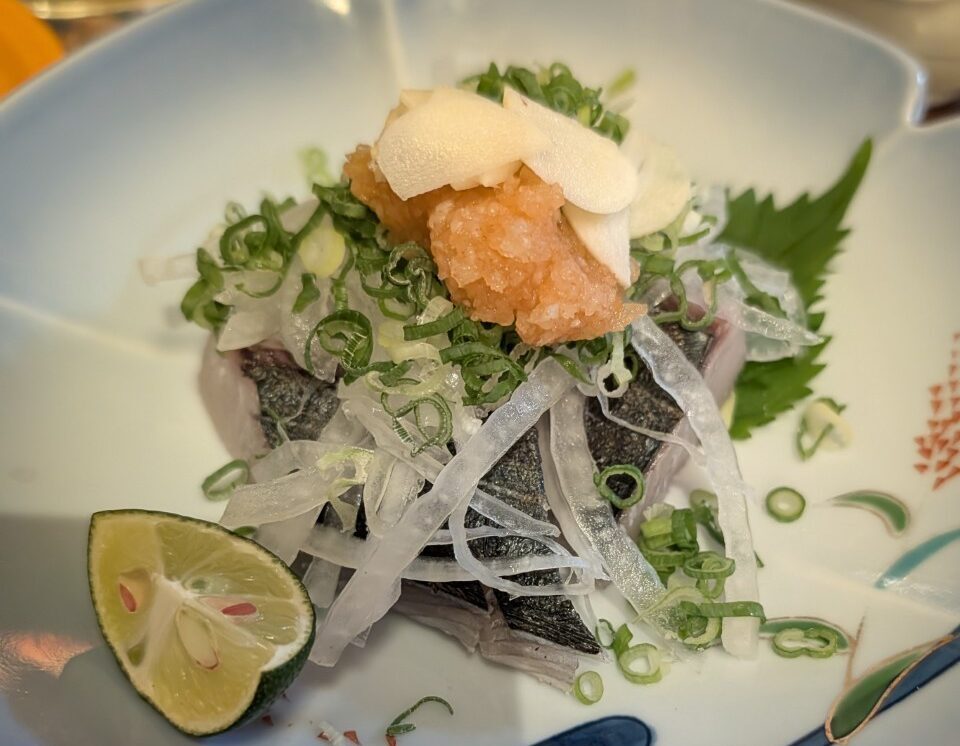
Then, let’s Kampai, Asuka!
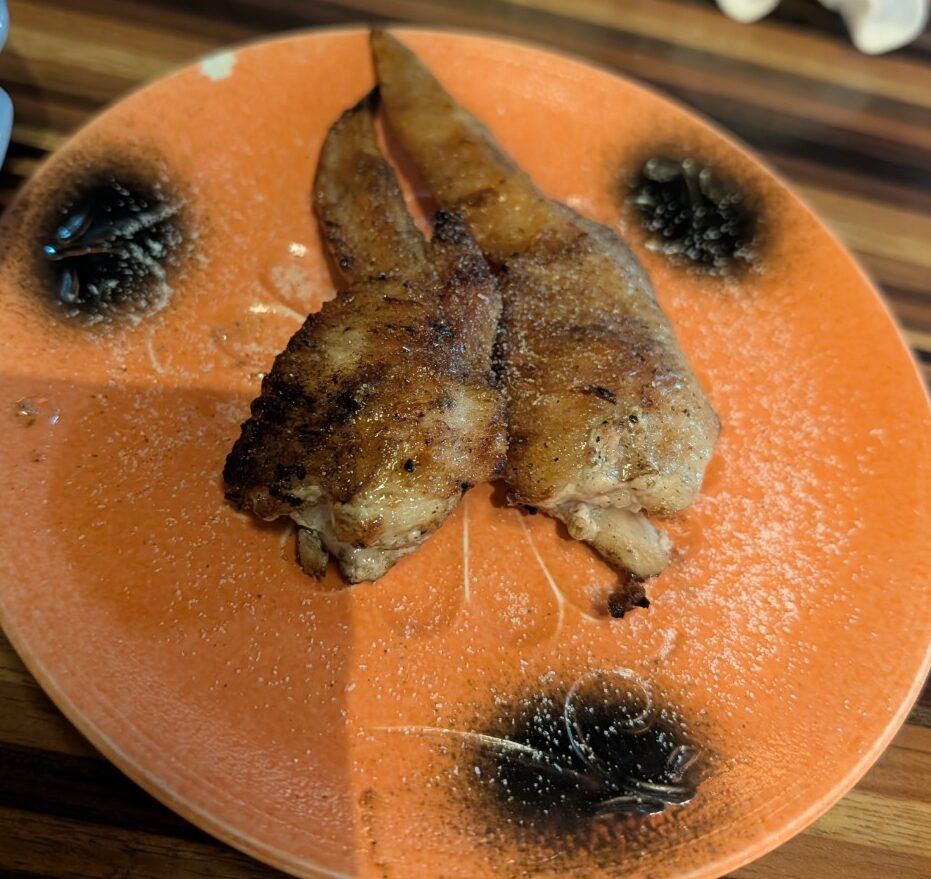
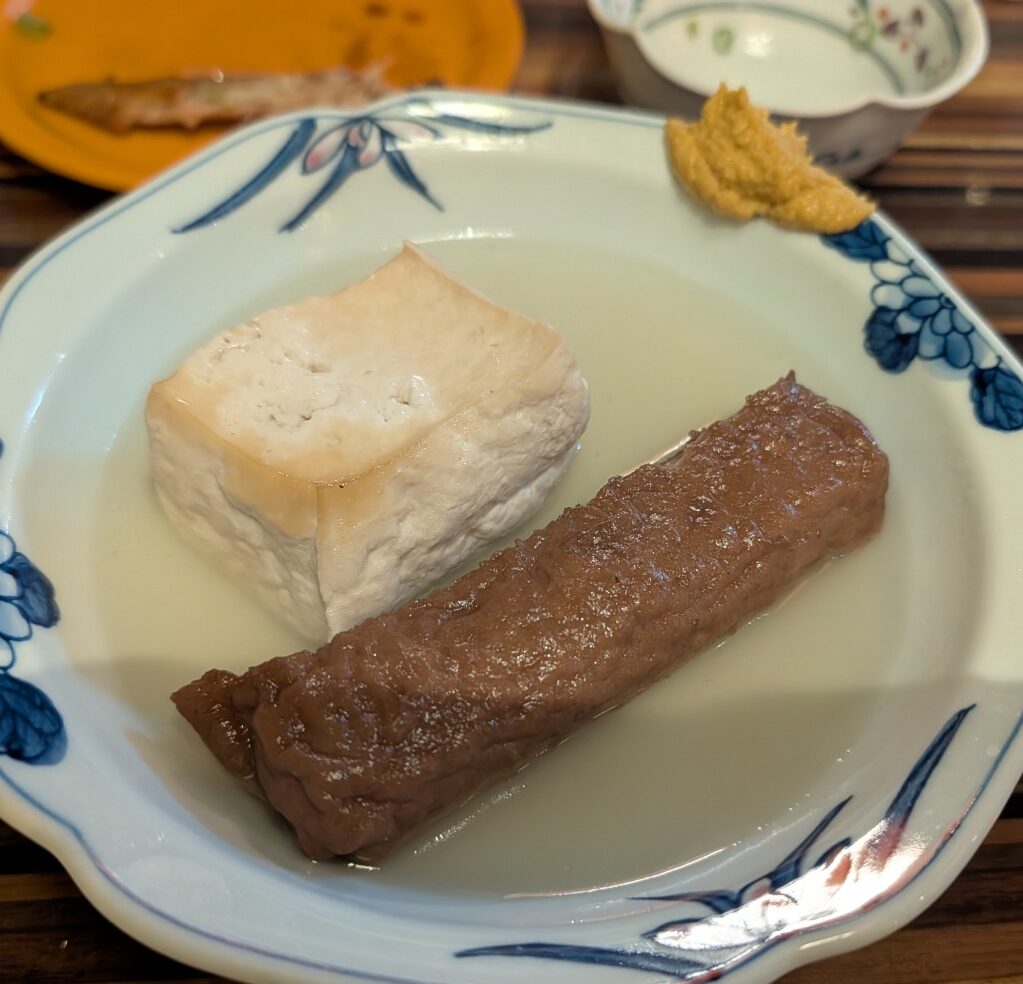
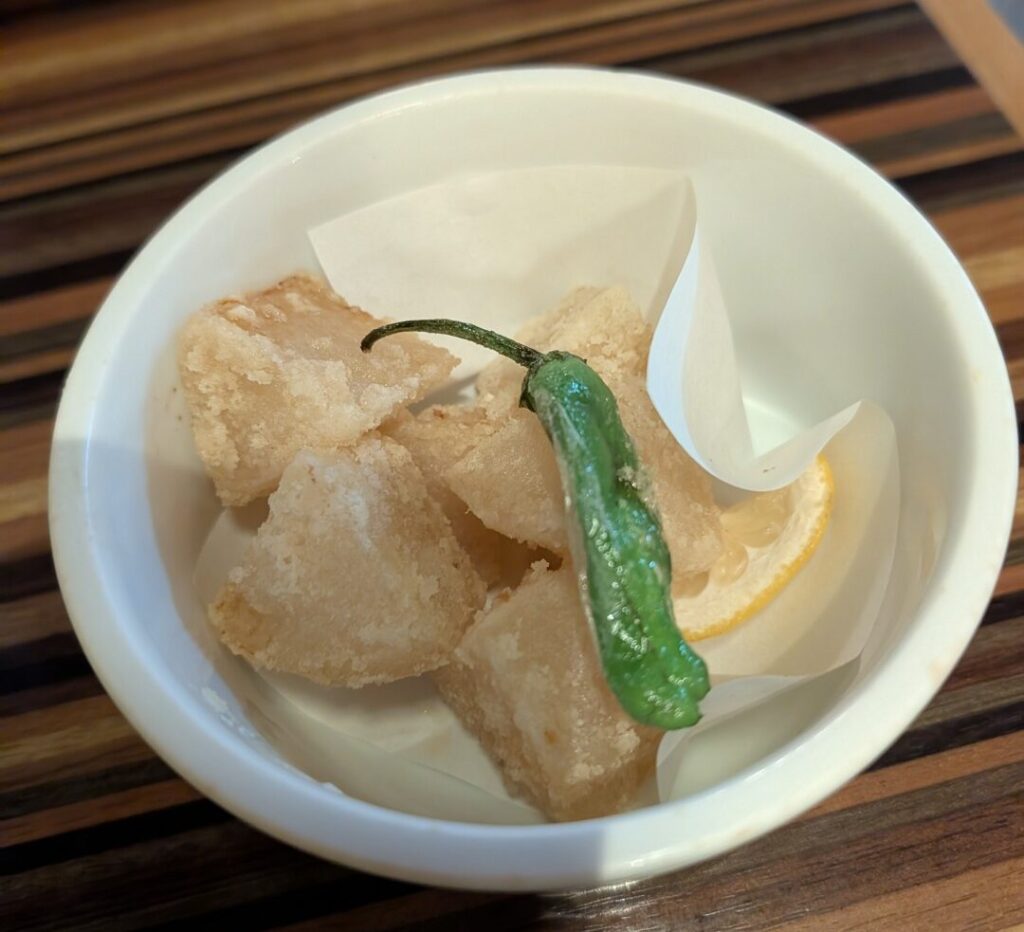
She’s as hardworking as ever, but she’s considering moving to the city; her family home is huge—too big for just her and her mother—and the maintenance costs (like removing wasp nests and weeding the garden) are a real burden.
Incidentally, I have many friends of the same generation from rural areas facing this same dilemma: the “what to do with my parents’ house” issue. After all, there are taxes and demolition costs to consider.
“You should come back to Tokyo or Kanagawa! Let’s live together in our old age.” “Yeah… maybe I will.” We said this half-jokingly, but perhaps it wasn’t entirely a joke. We both found ourselves thinking about our uncertain futures.
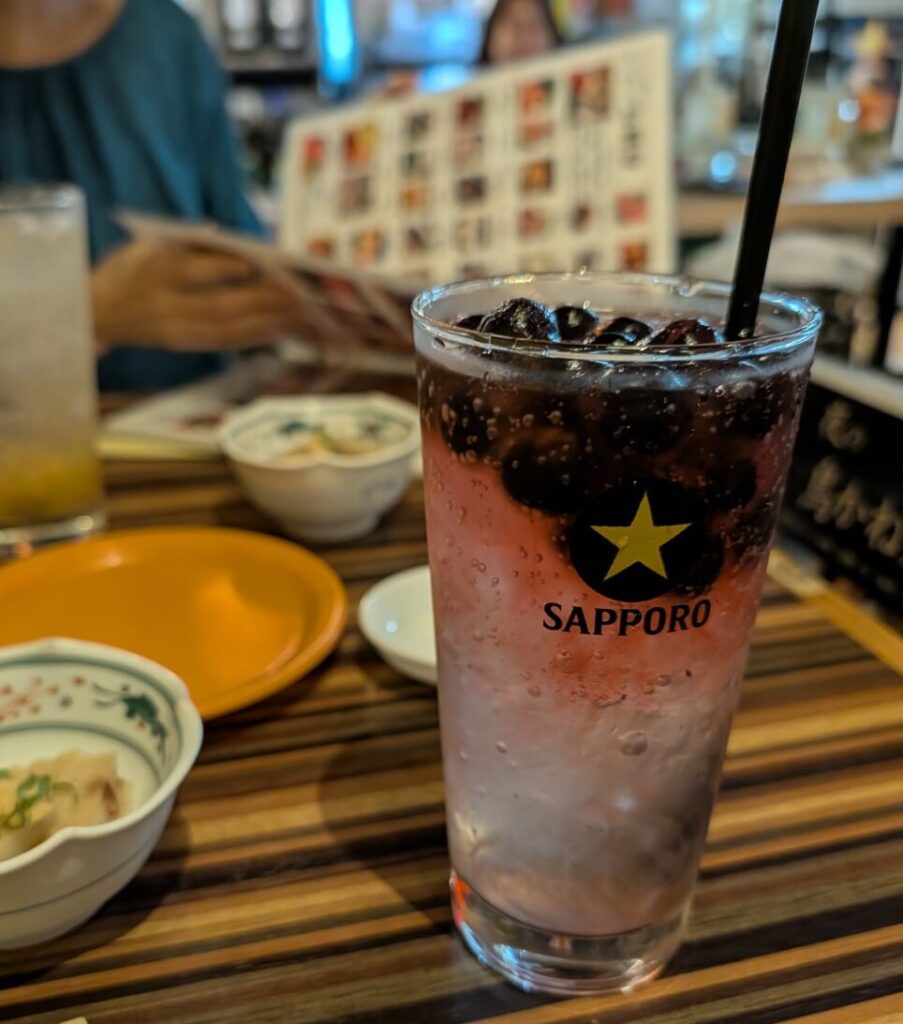
I’d wandered into the place without much planning, but it turned out to be a great spot with an impressive selection of both sushi and meat. I decided I’d definitely come back here next time I visited Okayama.
And so, after promising to meet up again, I parted ways with Asuka at Okayama Station.
Those two days—spent on a whim to visit an old friend—flew by in a flash. I realized that I could see my old friend anytime I wanted, but I also realized something else.
It is important to occasionally remind yourself that you can go anywhere, anytime, if you simply decide to do it.
My days are spent going back and forth between work and home, and my weekends are consumed by accumulated housework and errands. A vague sense of dissatisfaction piles up, leading to repeated arguments with my equally exhausted husband.
“If I put my mind to it, I can go anywhere.” I decided I would ride the Shinkansen more often so I wouldn’t forget that mindset. Here’s to friendship!