It has been 7 years since my close friend from college moved back to Kurashiki City in Okayama Prefecture—a place even further away than Nagoya or Osaka.
She had taken me in and supported me when I had my hard time with my divorce, and I had even visited her while she was studying abroad in Germany. We were kindred spirits who supported each other through life’s ups and downs.
But a few years back, her father fell ill; she quit her job and returned to Kurashiki. That was 7 years ago.
We were both “career women” working in the center of Tokyo. Her office was near the Prime Minister’s Official Residence, while mine was near Tokyo Tower. We used to meet up in the Roppongi area after work to vent about our jobs.
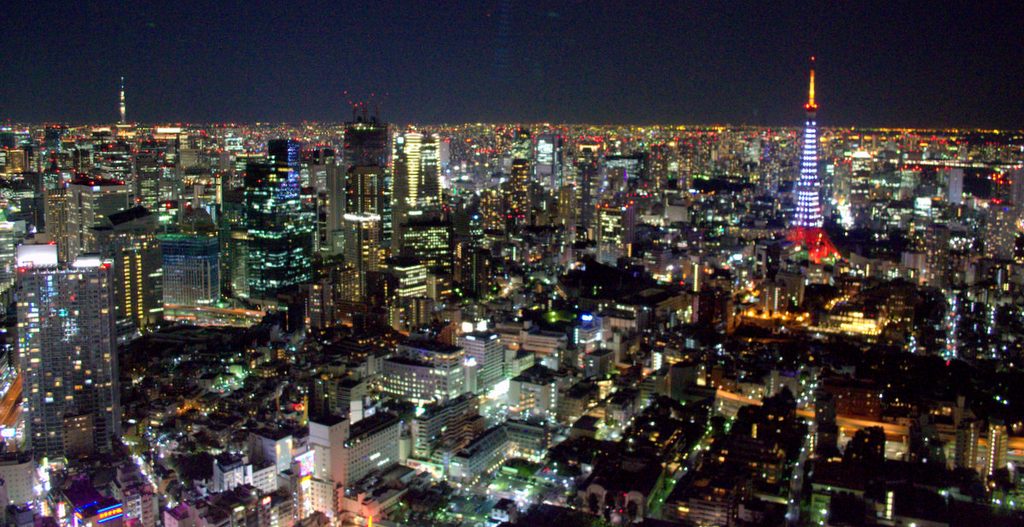
After she left, I felt like I had lost a vital source of support. After all, the journey from Tokyo to Okayama—traveling via the Tokaido and Sanyo Shinkansen lines through Shinagawa, Shin-Yokohama, Nagoya, Shin-Osaka, Kyoto, and Shin-Kobe—takes over 3 hours.
Wait a minute… 3 hours? That’s not so long. If I made the effort to catch the 7:00 AM Shinkansen, I could be there by 10:00 AM.
—With that sudden realization, I decided to head to Okayama for a one-night, two-day trip during “Silver Week” (a term coined for the cluster of public holidays in mid-September—specifically September 19–23 in 2026—contrasting it with the “Golden Week” holidays in May).
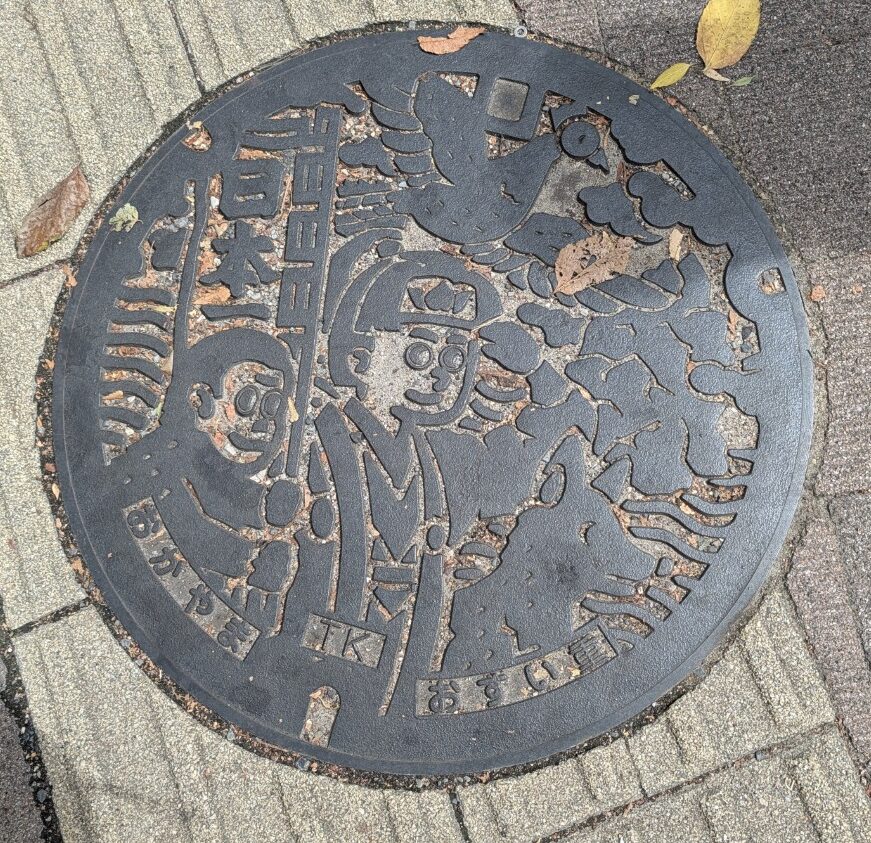
Okayama Prefecture is known as the “Fruit Kingdom.” It boasts an abundance of delicious fruits, such as white peaches and grapes. It is also famous for the folktale “Momotaro” (Peach Boy), which has been passed down since the Edo period. It is the story of Momotaro—born from a peach—who sets out with a dog, a monkey, and a pheasant to defeat ogres. There isn’t a single Japanese person who doesn’t know this story.
Reference: I found a YouTube video that introduces it in English!
Reference: Okayama City’s official YouTube channel introduces the city in English! https://youtu.be/9xc4DAWDxCQ?si=MOGGFH0kvk7TJb9z
Reference: Okayama Prefecture Official Tourism Guide.
I made the trip! It was a three-hour ride on the 7:30 AM *Nozomi* bullet train. At Okayama Station—packed with people returning home and tourists—I reunited with my friend Asuka (pseudonym) for the first time in seven years! Yay!
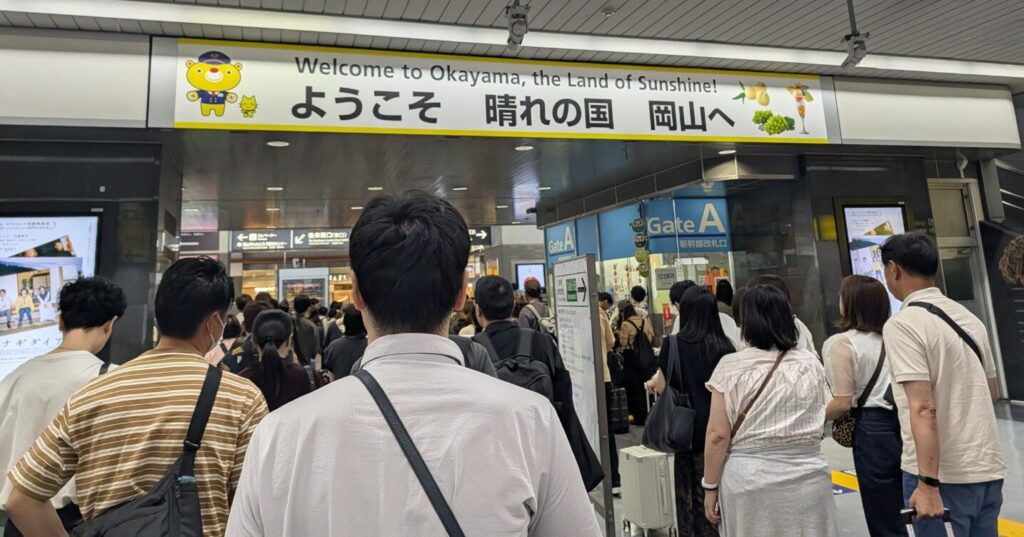
“Sorry I couldn’t plan anything in advance—I’ve been so busy. Let’s just start by going to Okayama Castle.”
“Let’s go, let’s go!”
Honestly, I would have been perfectly happy just spending the entire two days chatting with her in a café. But the travel bug runs deep in both of us, so we ended up visiting all sorts of places instead.
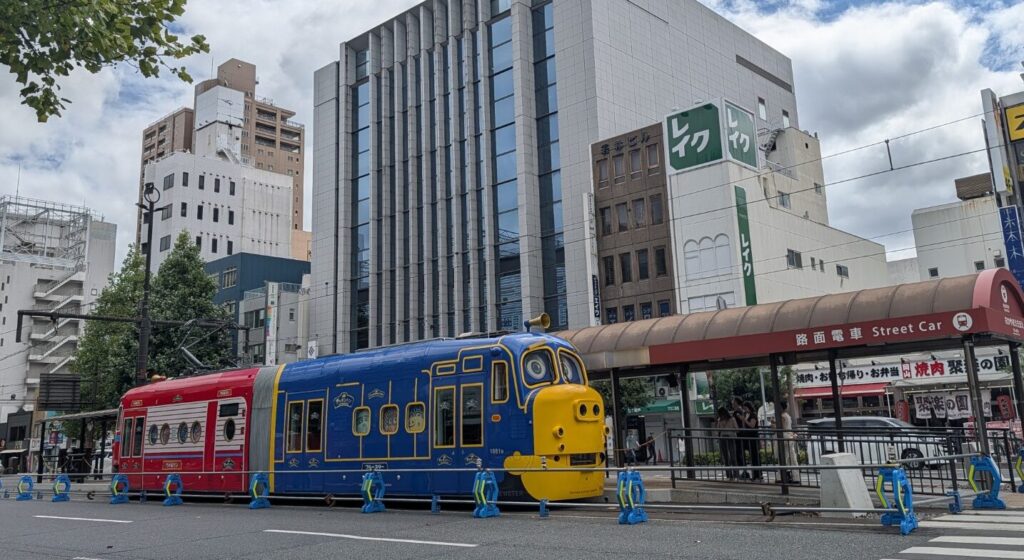
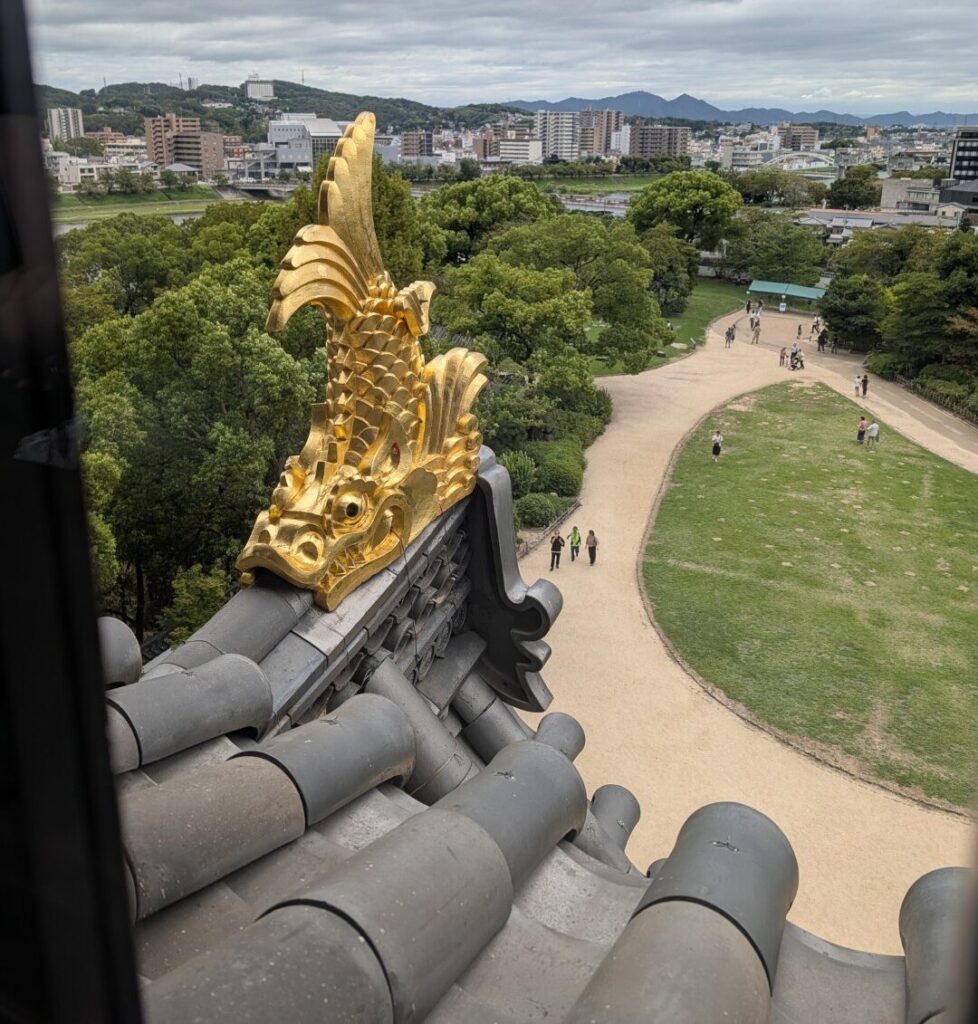
Okayama Castle was built by a lord who allied himself with Toyotomi Hideyoshi, the famous Sengoku-period warlord.
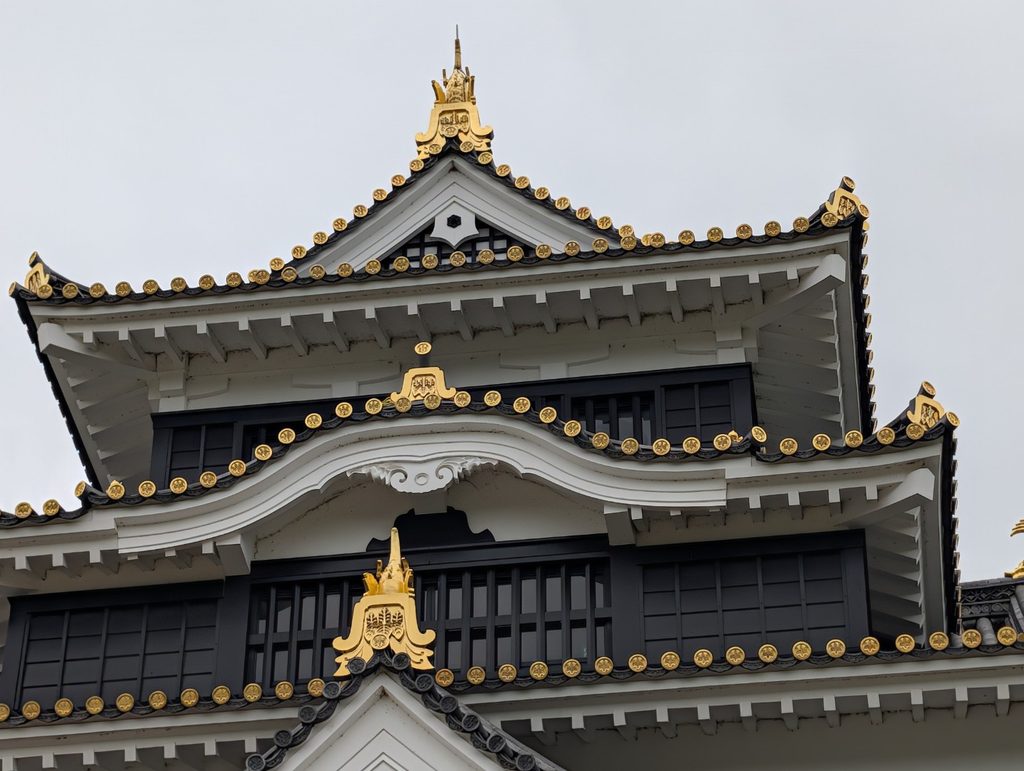
With its black-lacquered weatherboarding and gold-leaf tiles, it is said to be a castle of the highest prestige from the Toyotomi era. It really gives off the vibe of a castle built by the “winners.” It left me with an impression of a “bright” history. (This is a bit of a snide remark on my part, as the castle in Fukushima—near my mother’s family home—belonged to the “losers” and has a history full of tragedy.)
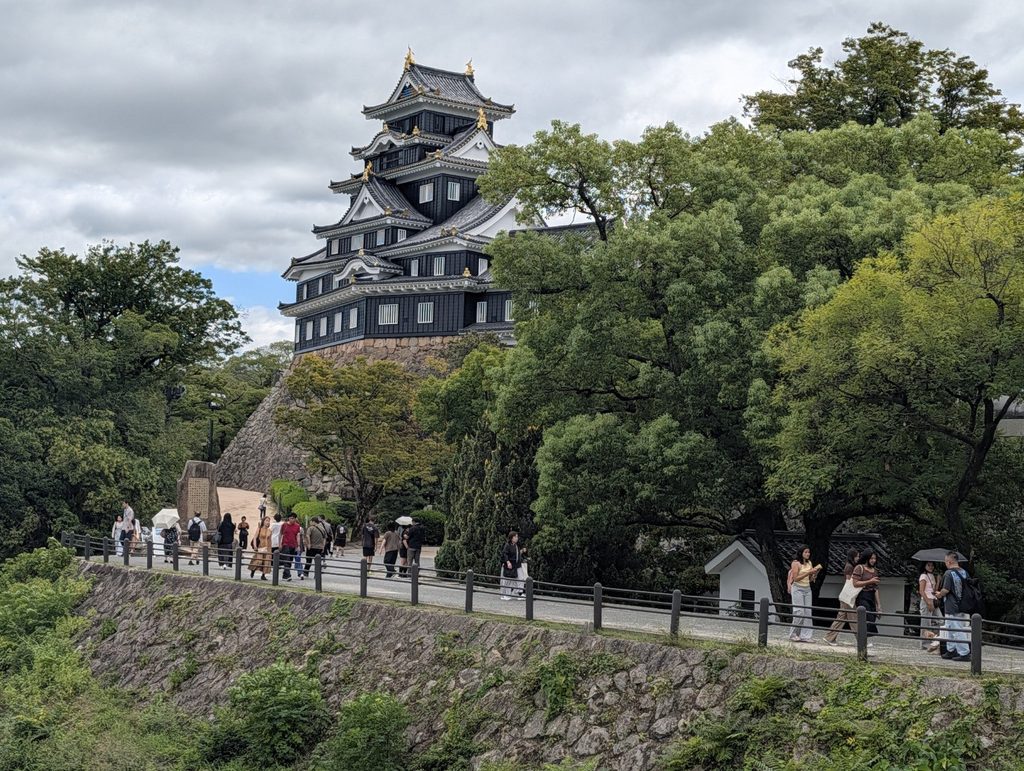
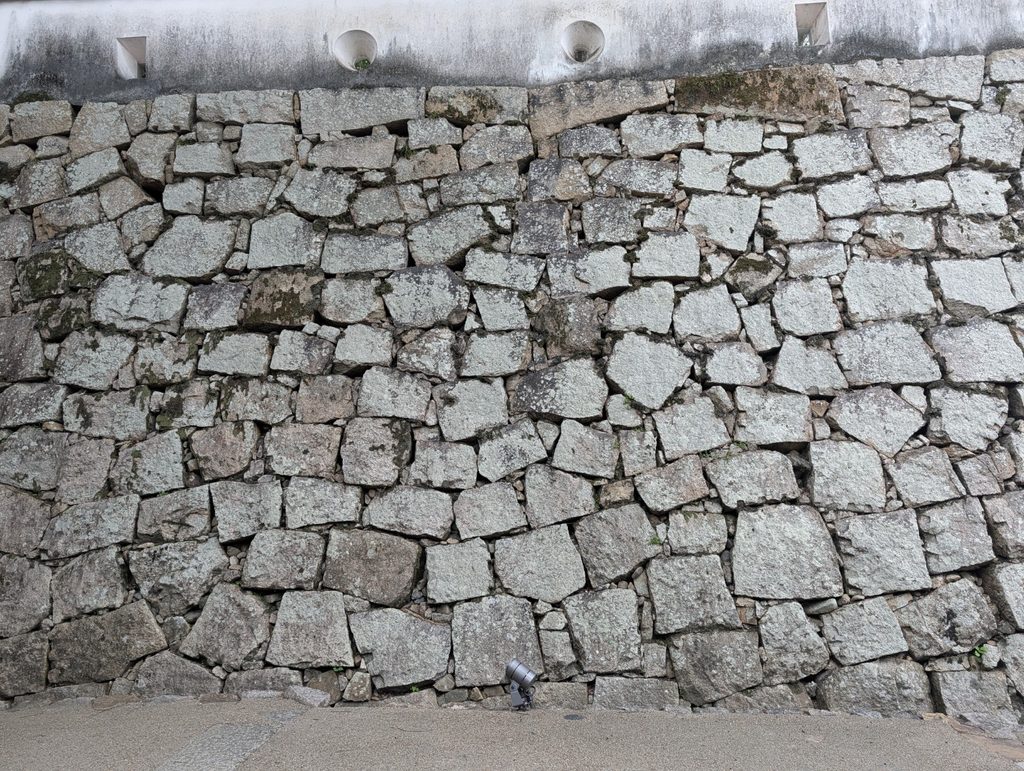
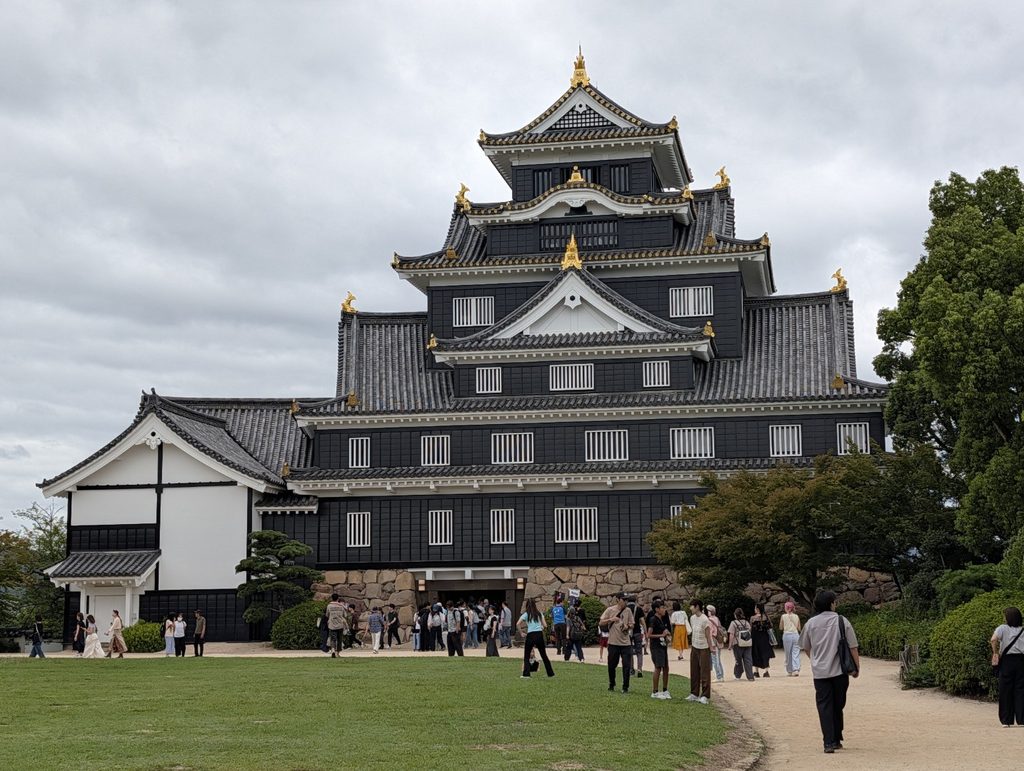
Right next door lies Okayama Korakuen Garden, a place of pure elegance.
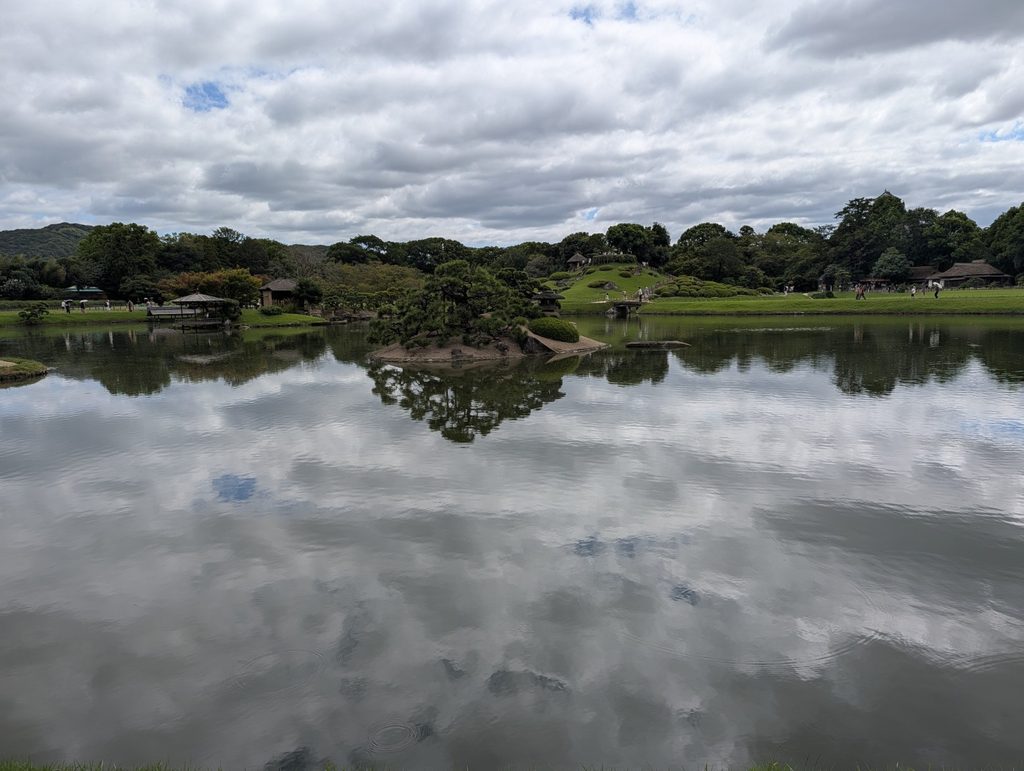
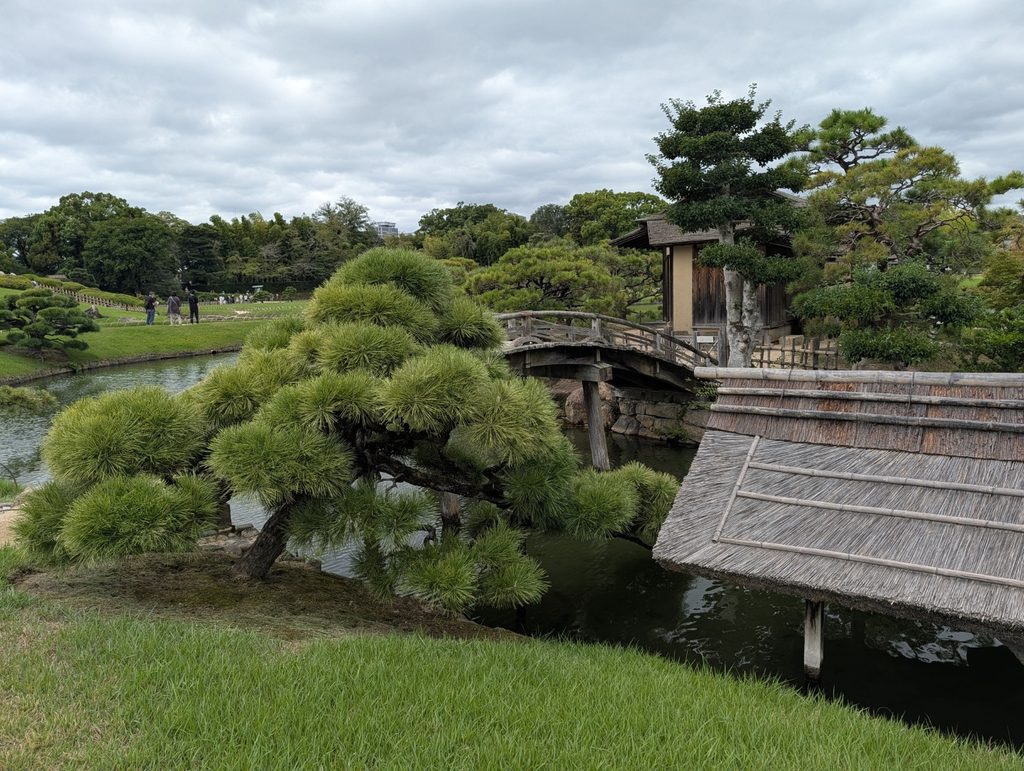
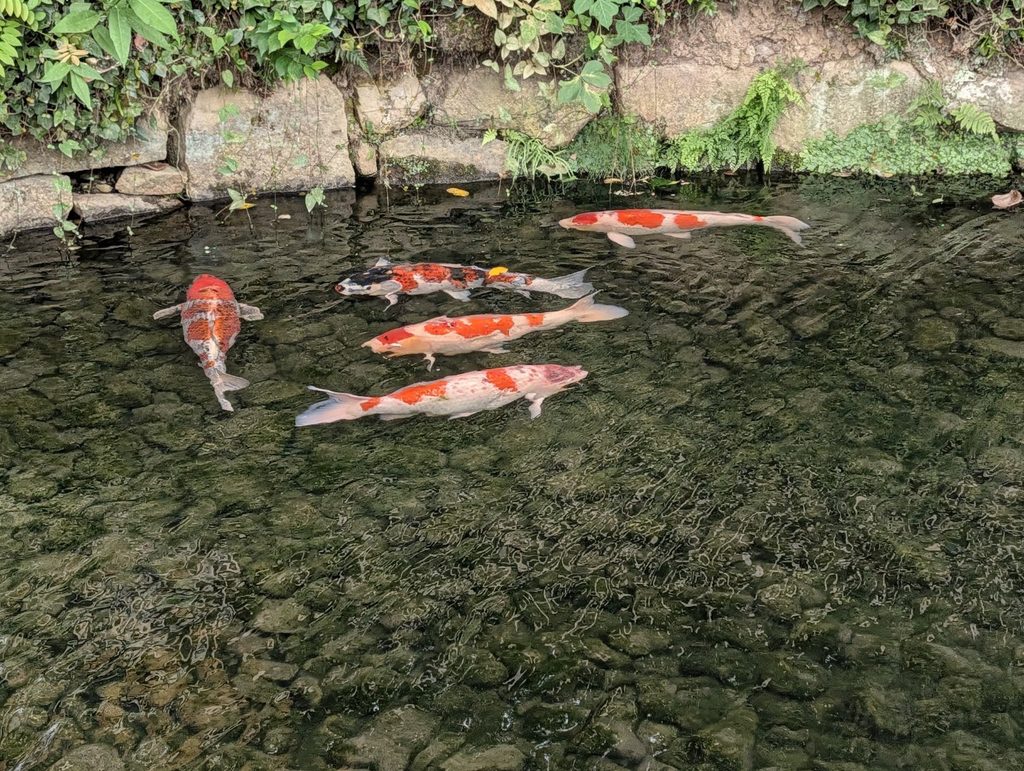
The balance between the pine trees and the ponds is magnificent. It must be even more crowded during the cherry blossom or autumn foliage seasons.
We took the train to her hometown, Kurashiki.
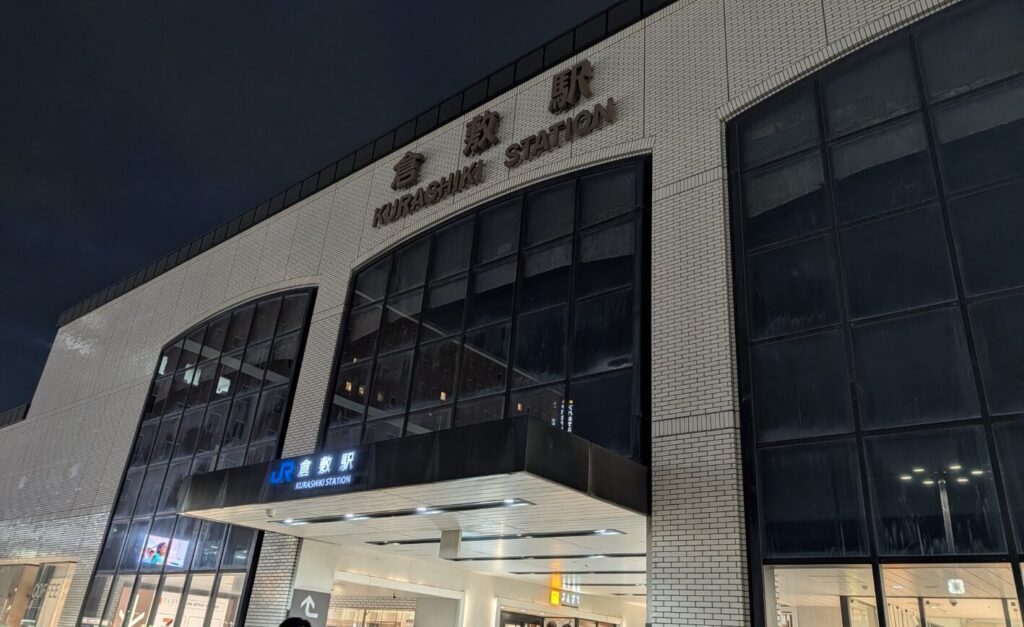
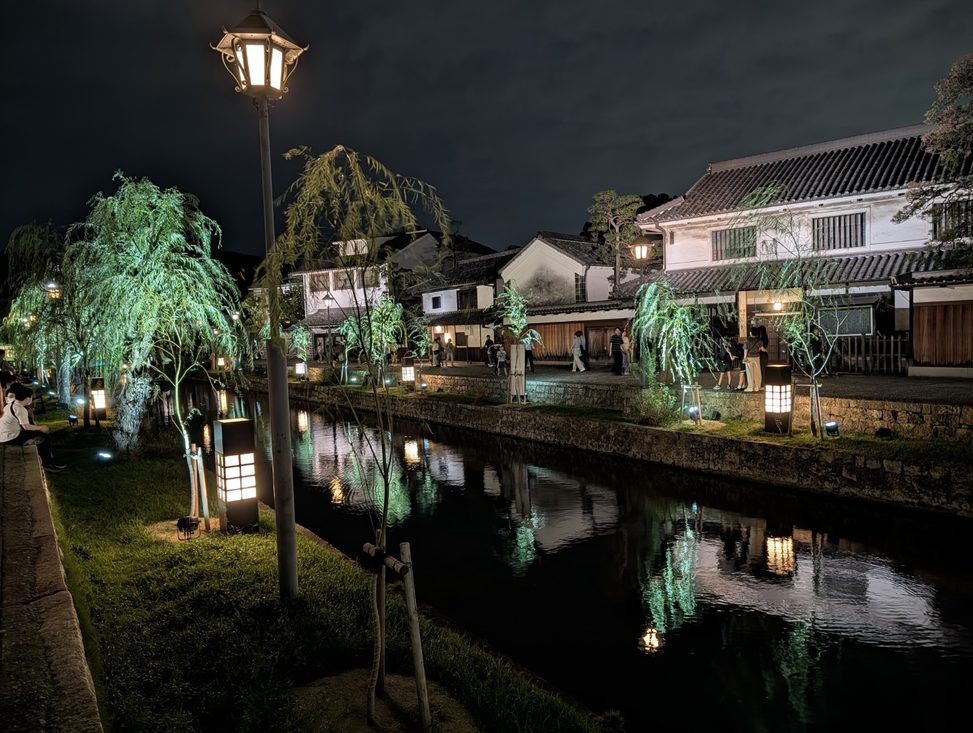
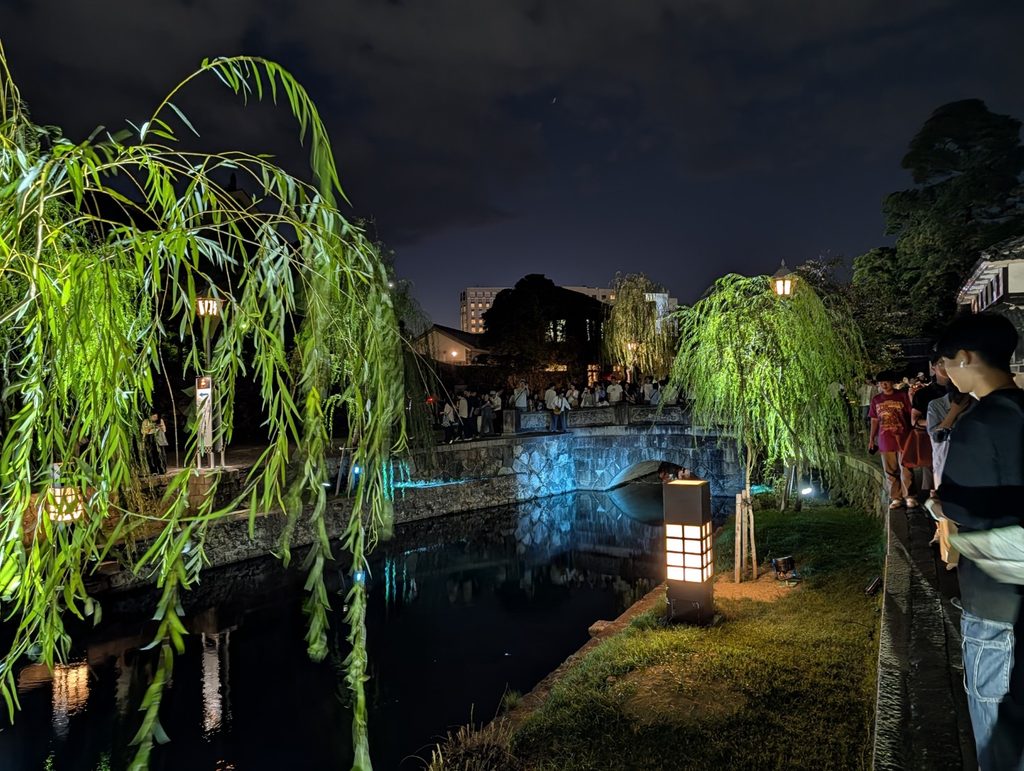
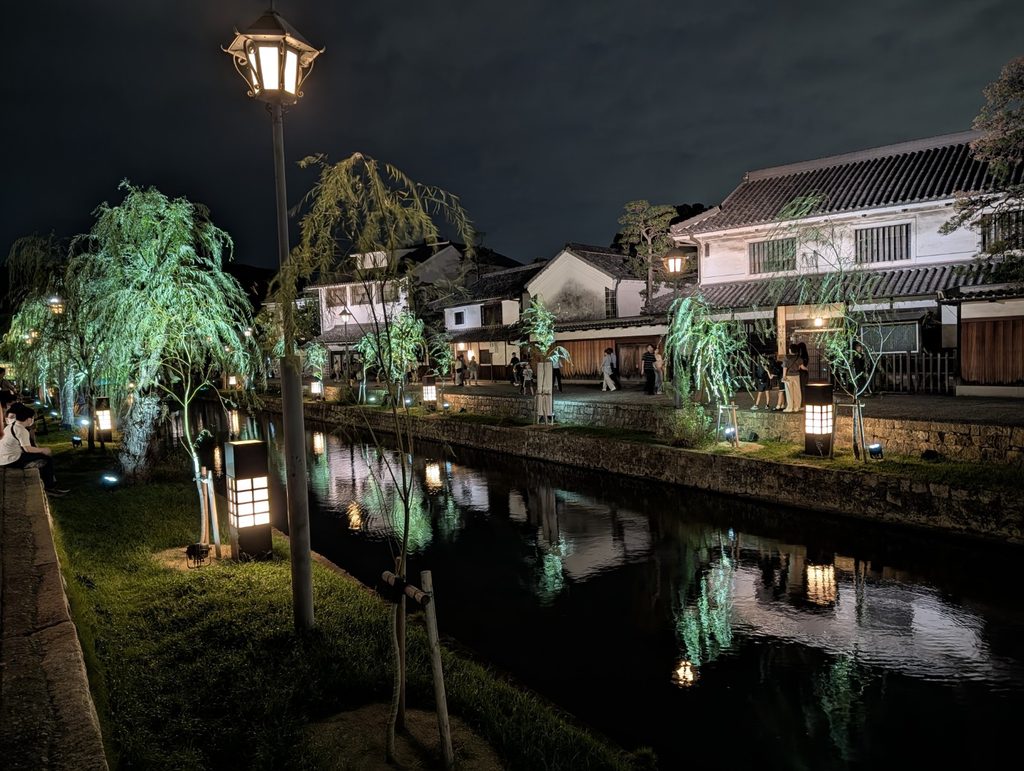
Kurashiki is famous for the “Kurashiki Bikan Historical Quarter.” It is a wonderful area featuring a townscape of white-walled storehouses dating back to the Edo period and beautiful scenery along the Kurashiki River, lined with weeping willows.
For details, please visit the Kurashiki City Official Tourism site.
I had visited her family home and the Kurashiki Bikan Historical Area about 25 years ago, back when I was in my twenties. Even though a quarter of a century has passed, I was shocked by how much things had changed! The place was absolutely packed with tourists (myself included, of course), so we wandered through Kurashiki at night for a while, looking for a place to have dinner.
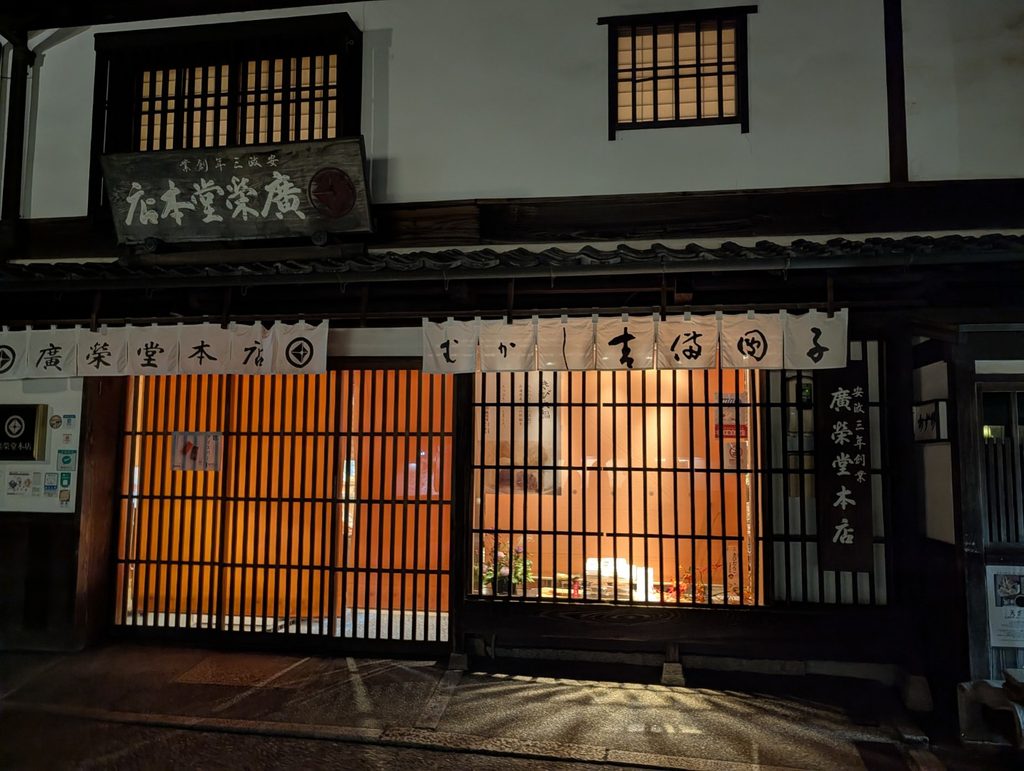
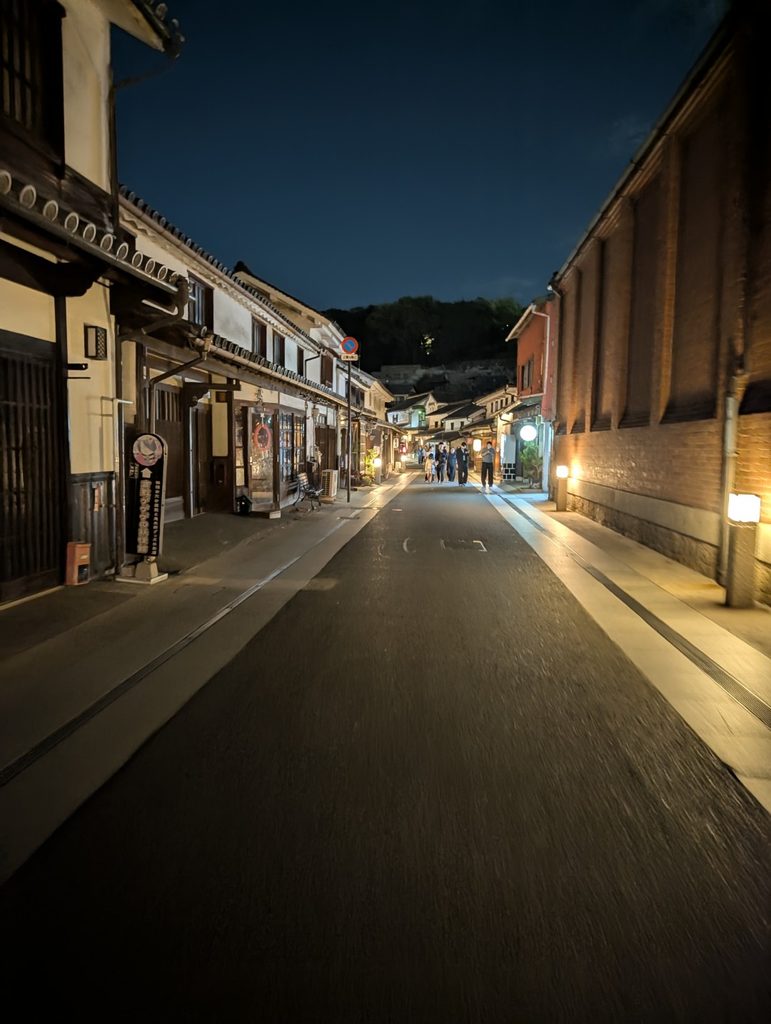
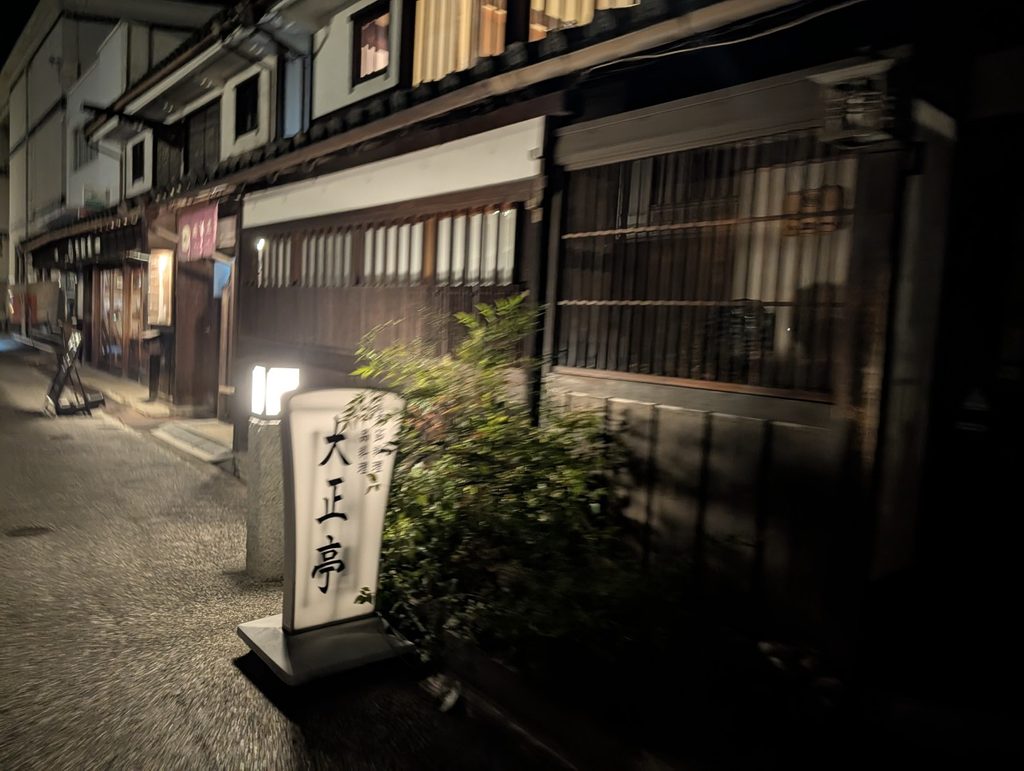
We ordered a set meal at a small, family-run eatery, and it turned out to be a fantastic choice. Although it was a set meal(Teisyoku in Japanese), the dishes were served one by one—much like a full-course dinner—and the taste was superb.
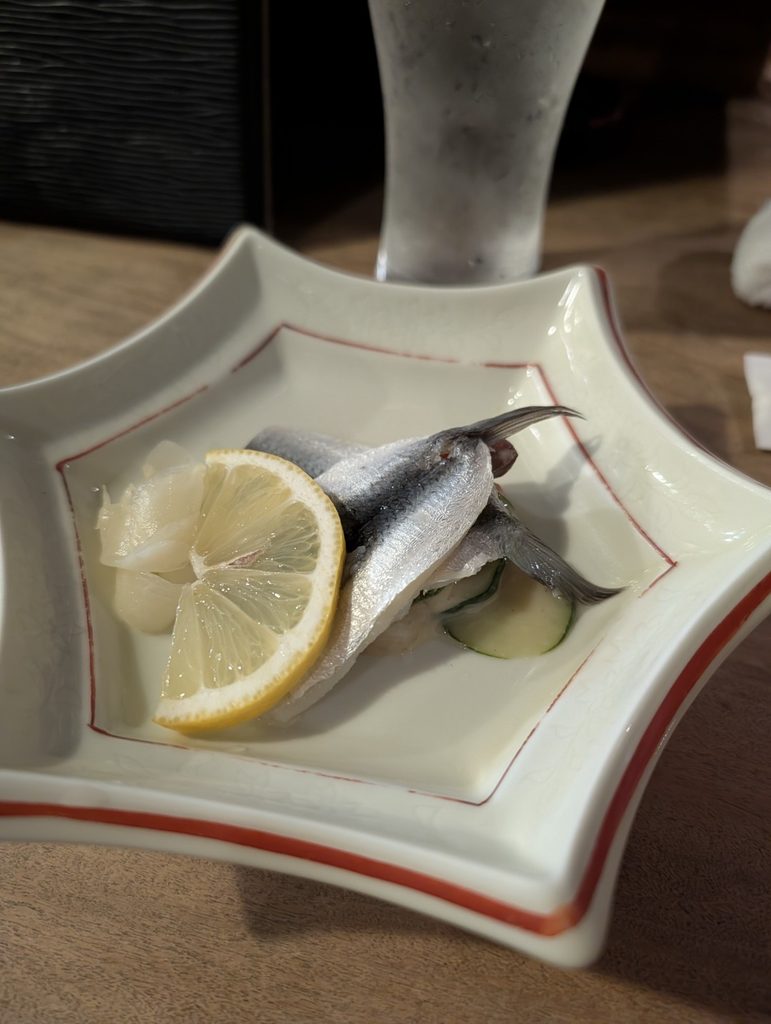
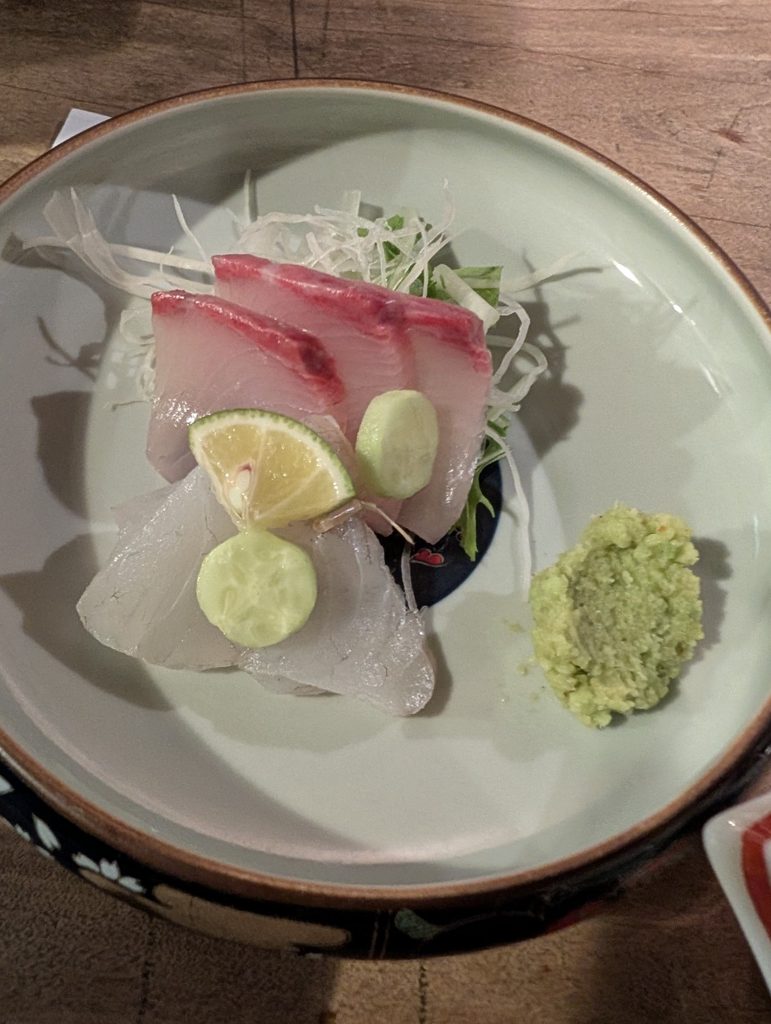
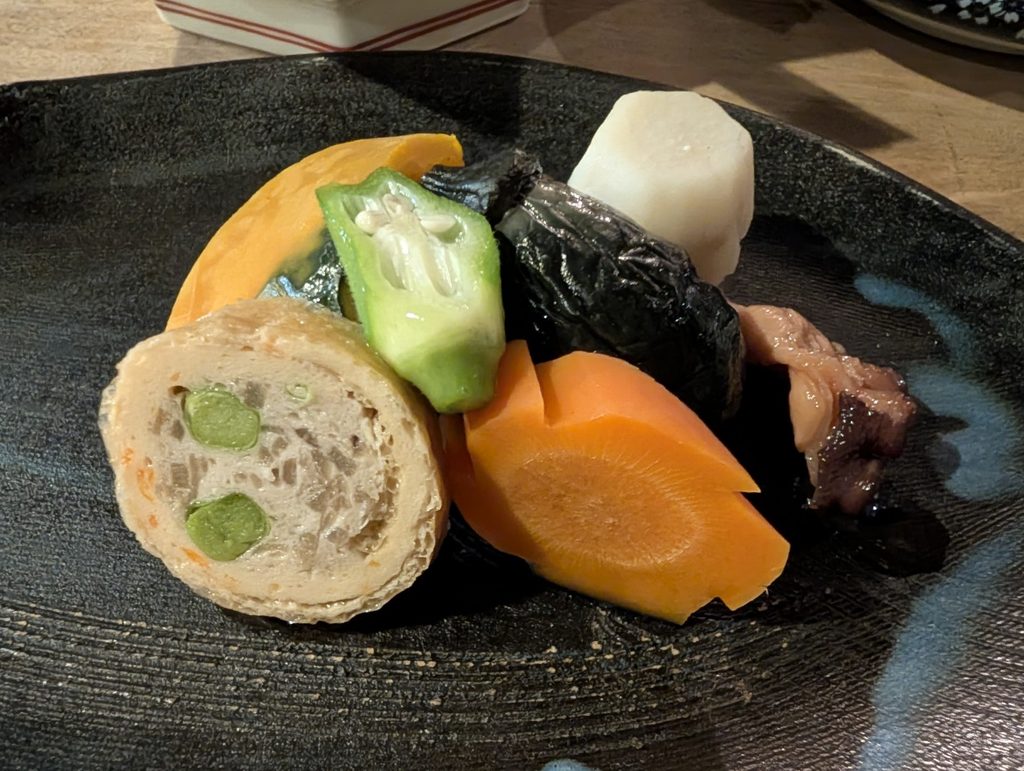
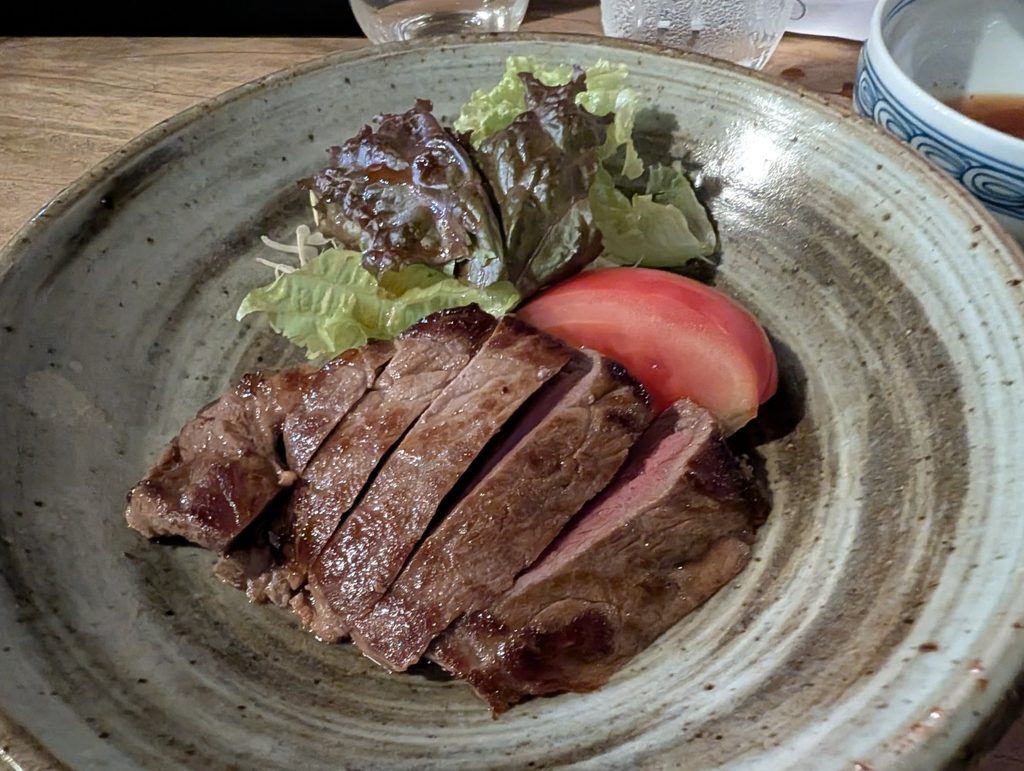
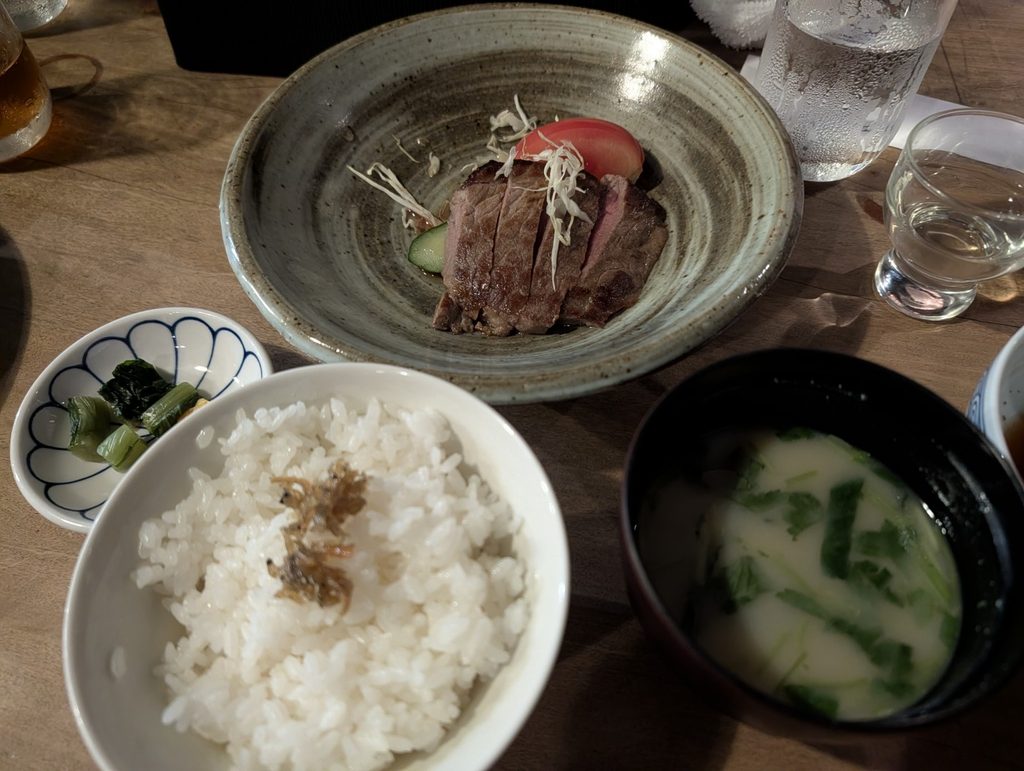
At the table next to us, two older women from Ireland were enjoying their meal with a bottle of whiskey. They remarked that white rice goes surprisingly well with whiskey. Japanese people rarely drink alcohol with plain white rice, so I found their perspective interesting.
Later that night, I tried to go to the hotel’s large communal bath, but there was a waiting list of 20 people, so I gave up and just took a shower instead. It was seriously as crowded as Tokyo.
The yen is currently very weak against other currencies. I’m in no position to talk, but apparently, Japanese people are refraining from overseas travel and turning to domestic trips instead. Perhaps partly because of this, I saw a lot of young Japanese people in addition to foreign tourists. It made me think that “Instagrammable” spots like the Kurashiki Bikan Historical Area are particularly popular.
There’s a certain kind of energy you can only get from chatting with your best friend. So, where should I go tomorrow?