A swordless samurai, saved by a toast
My worst habit is bringing work stress home with me. I just can’t seem to “switch off.”
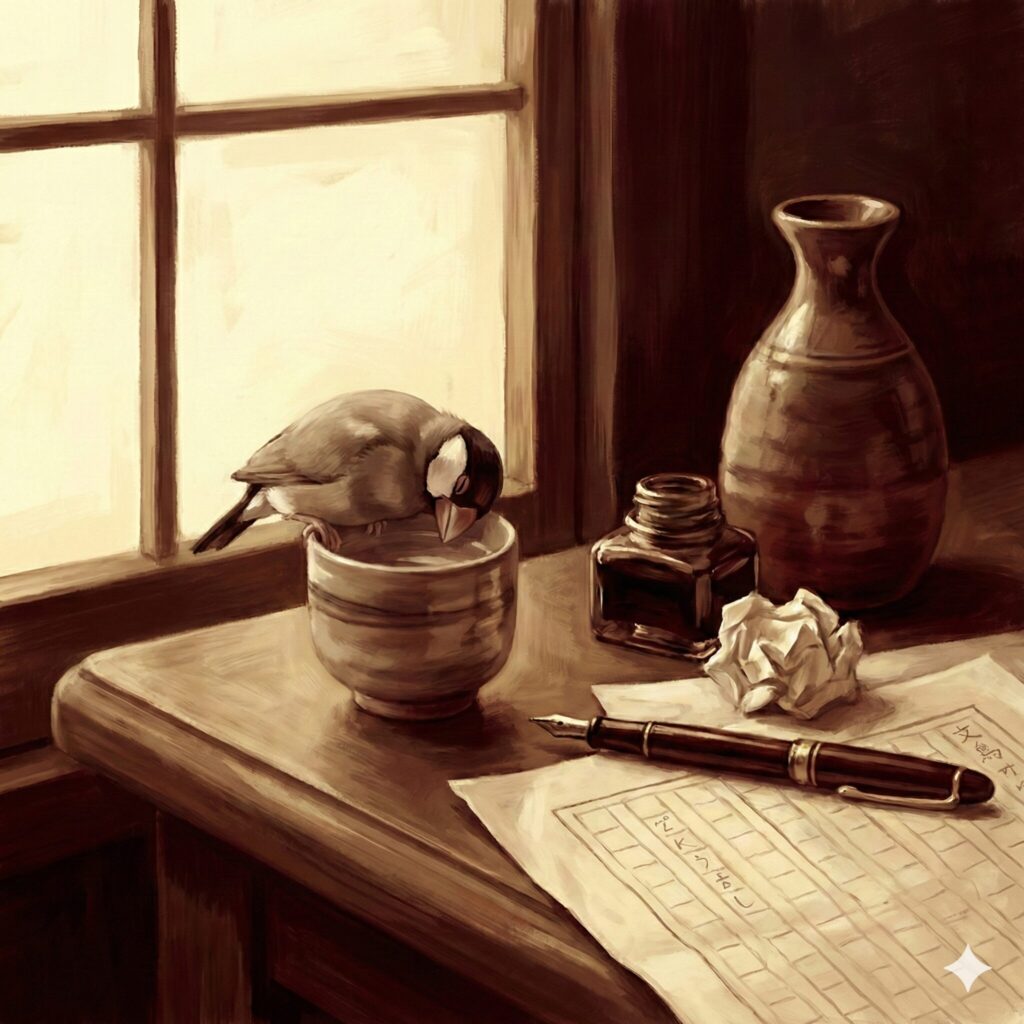
Today, at our editorial meeting, a young staff member proposed leaving article writing to AI. Here we go again. I couldn’t help but empathize with the samurai of the Bakumatsu era—those men who had their swords and status stripped away, losing their very identity in an instant.
For over 20 years, I have honed my craft under the guidance of my seniors. The technique of listening intently while an IC recorder runs, taking meticulous notes, capturing the essence of the scene with a heavy Nikon DSLR, and soaking up the atmosphere. Then, returning to the office to transcribe the audio yourself (yes, there was once a time of cassette tapes) and weaving those massive blocks of text into a four-page story.
Apparently, that skill is no longer needed. The art of choosing which information to keep or discard, deciding on the perfect lead or subheading to hook the reader… all while carefully choosing words so the writer stays in the background, only revealing a flash of originality in the final few lines.
I know, I know. Today’s transcription and summarization apps can do all of that in the blink of an eye. The young editor isn’t wrong; they are simply proposing a rational way to save time for other tasks.
It’s just… I feel a little lonely. It feels like nobody understands this state of mind. My flaw is that, foolishly, I let this stress follow me through the front door. I am hit by my most pessimistic moods during my bath—the very time I should be most stress-free. I really have to do something about this temperament. I end up using a sharp tone, which is unfair to my husband.
I needed to flip a switch in my heart.
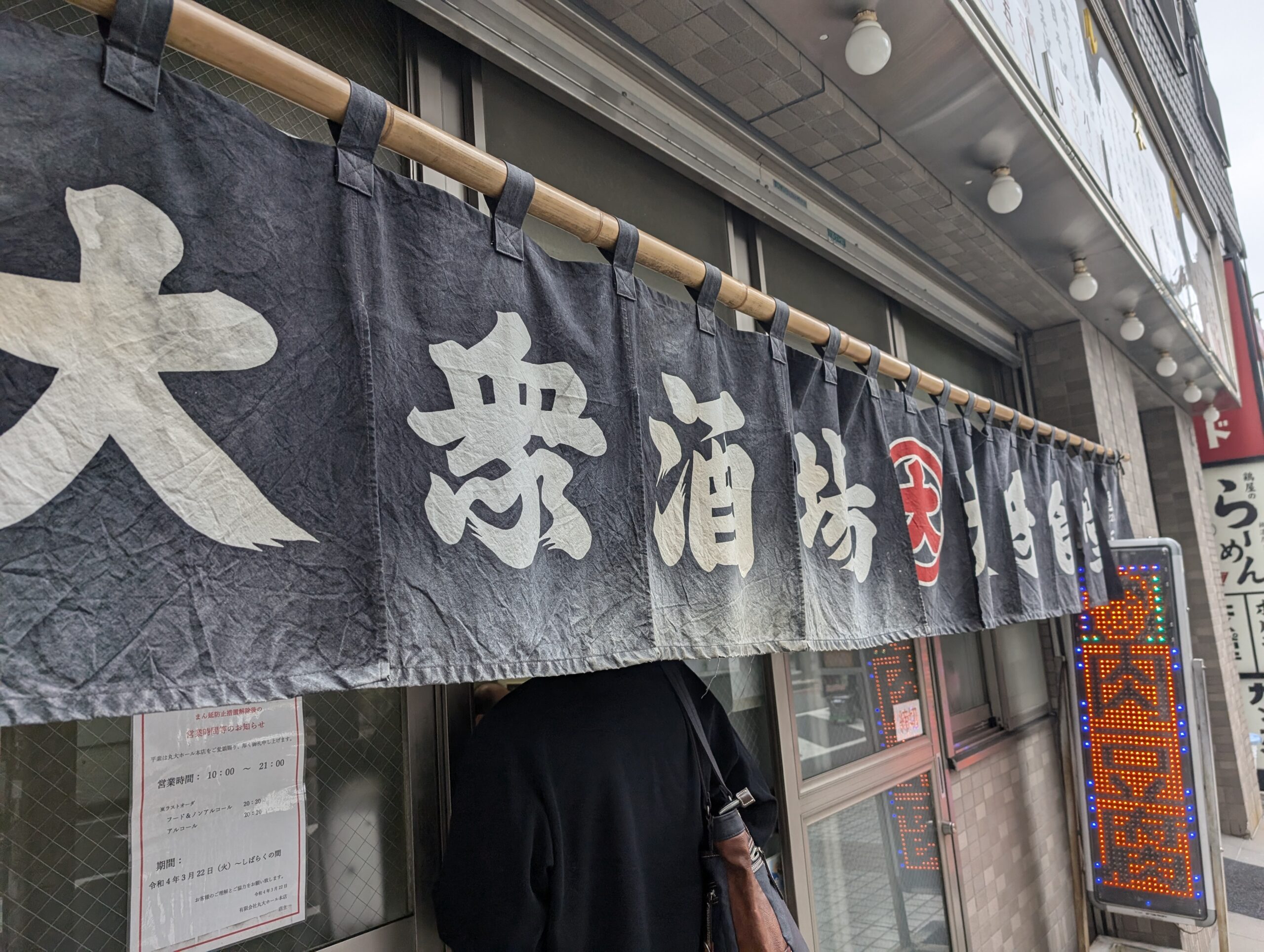
One weekend, my husband and I headed to a long-established public tavern (taishu sakaba) in front of Keikyu Kawasaki Station in Kanagawa Prefecture. Founded in 1936, this place is incredibly lively. The area around Kawasaki Station is home to the Keihin Industrial Zone, a massive complex of factories for giants like Toshiba, Ajinomoto, and Morinaga.
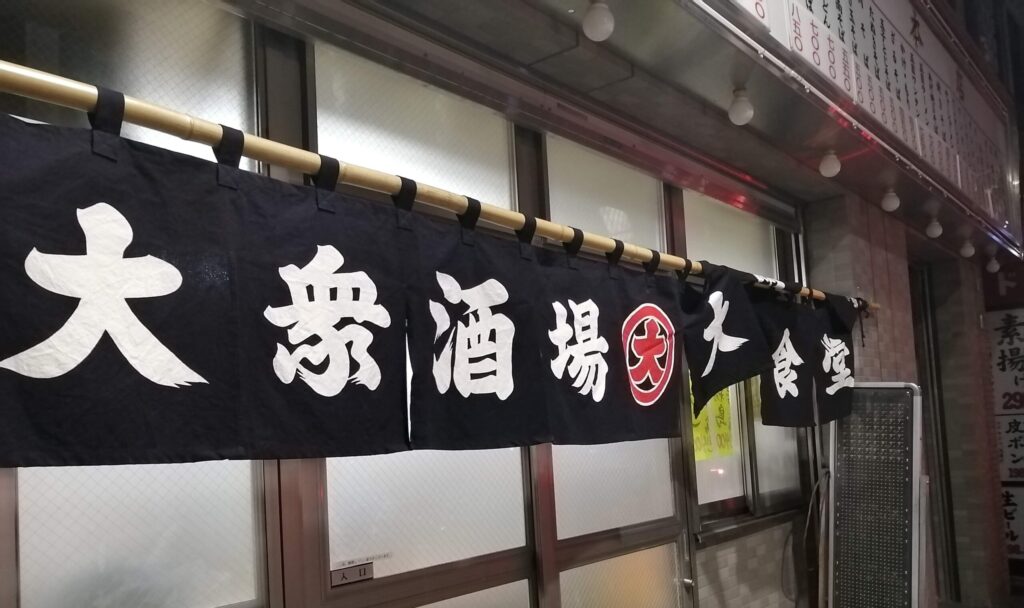
This tavern is open from 10:00 AM to 9:00 PM. These hours likely cater to people working night shifts at the factories or those coming from the local nightlife district to grab a drink or a “dinner” at odd hours.
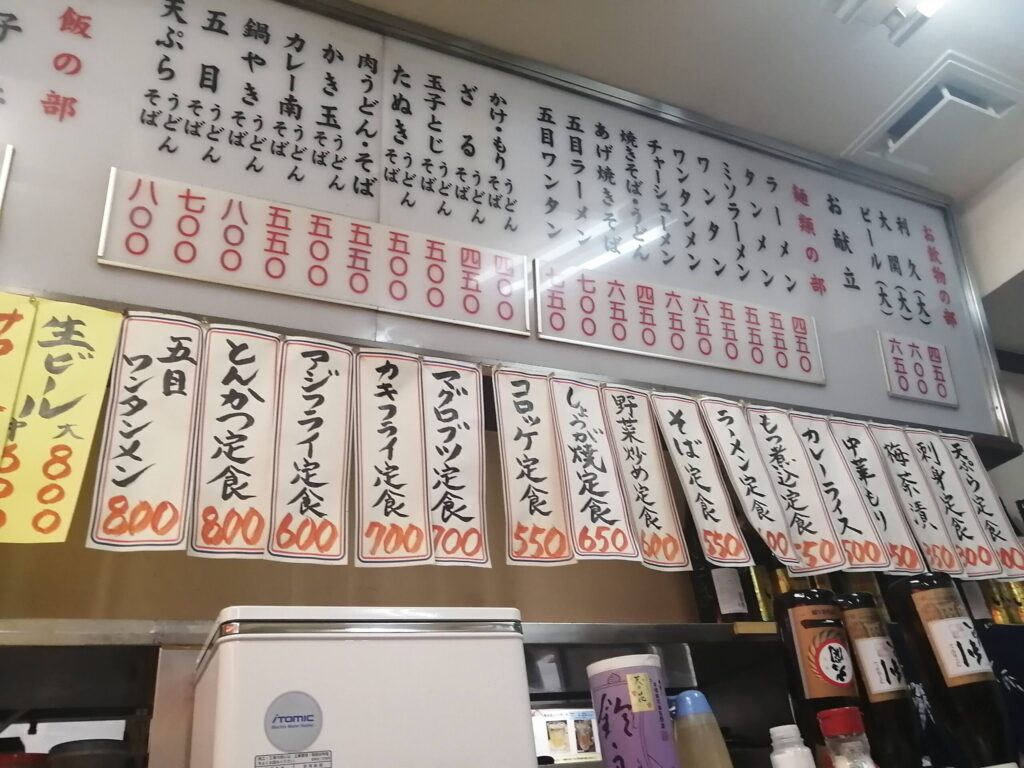
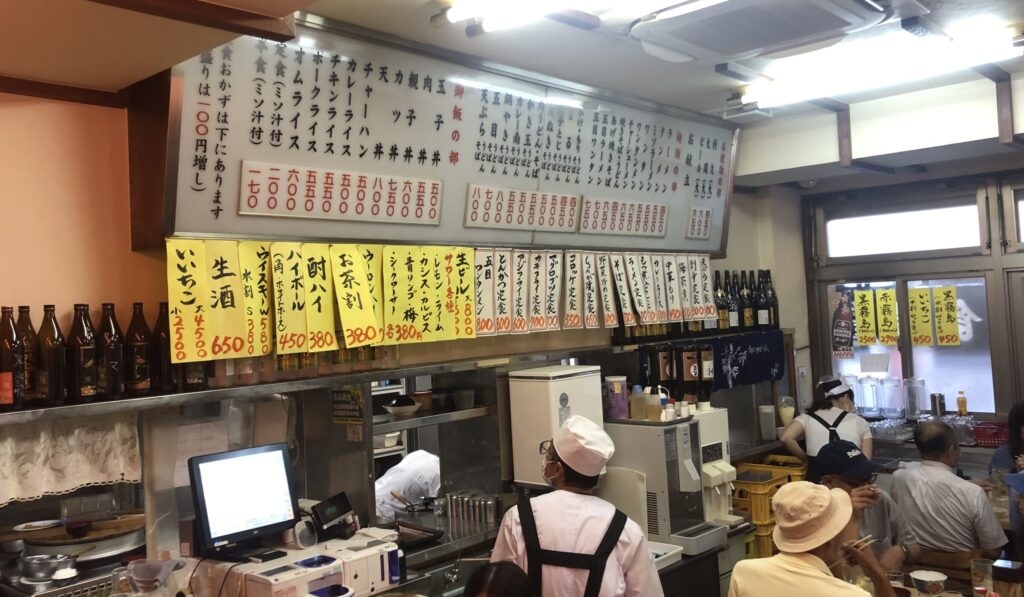
The menu consists solely of wooden slats (tanzaku) lining the walls. For a foreigner, ordering here might be a high-difficulty challenge. However, sharing a table with strangers is the norm. You can just look at what the person next to you is eating, point, and say, “The same, please.” The energetic staff will bring it right over.
While it’s an izakaya, it also functions as a diner, so there are plenty of set meals. My recommendations: the conger eel (anago) tempura, the omurice, and the nikumi (stew).
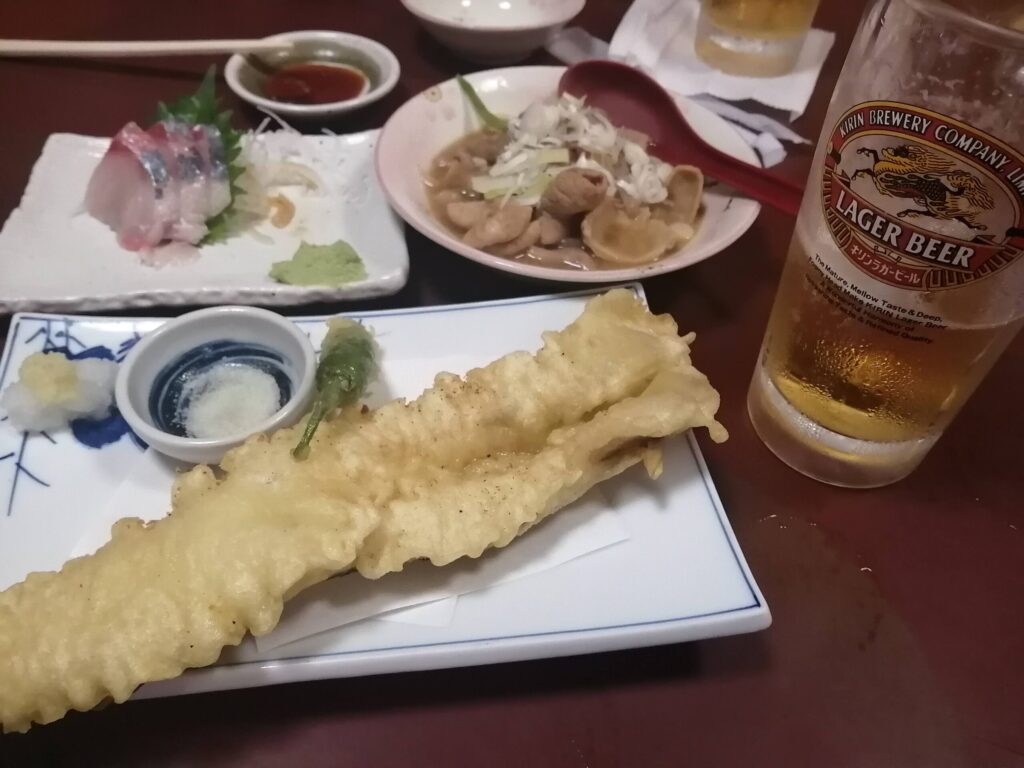
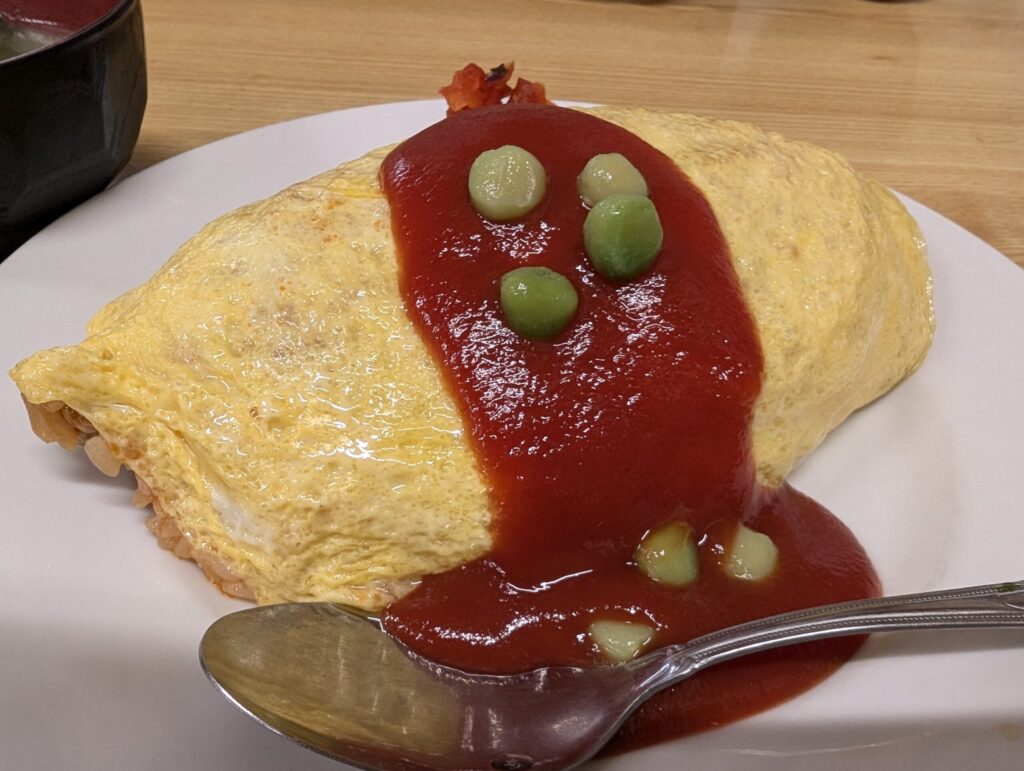
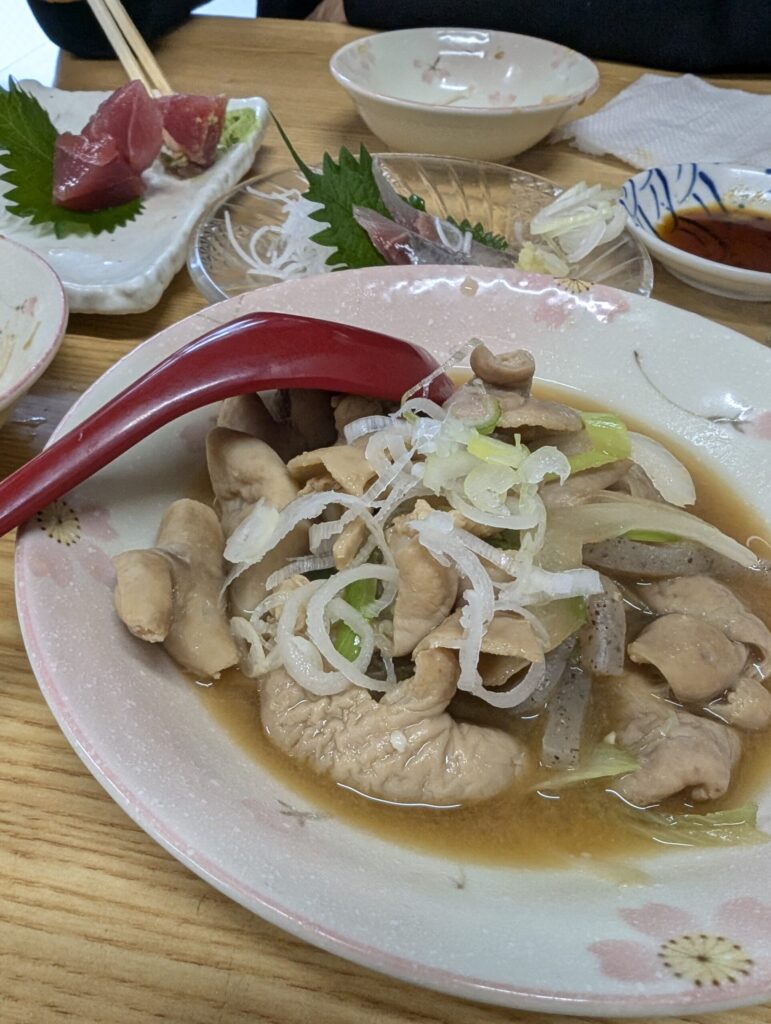
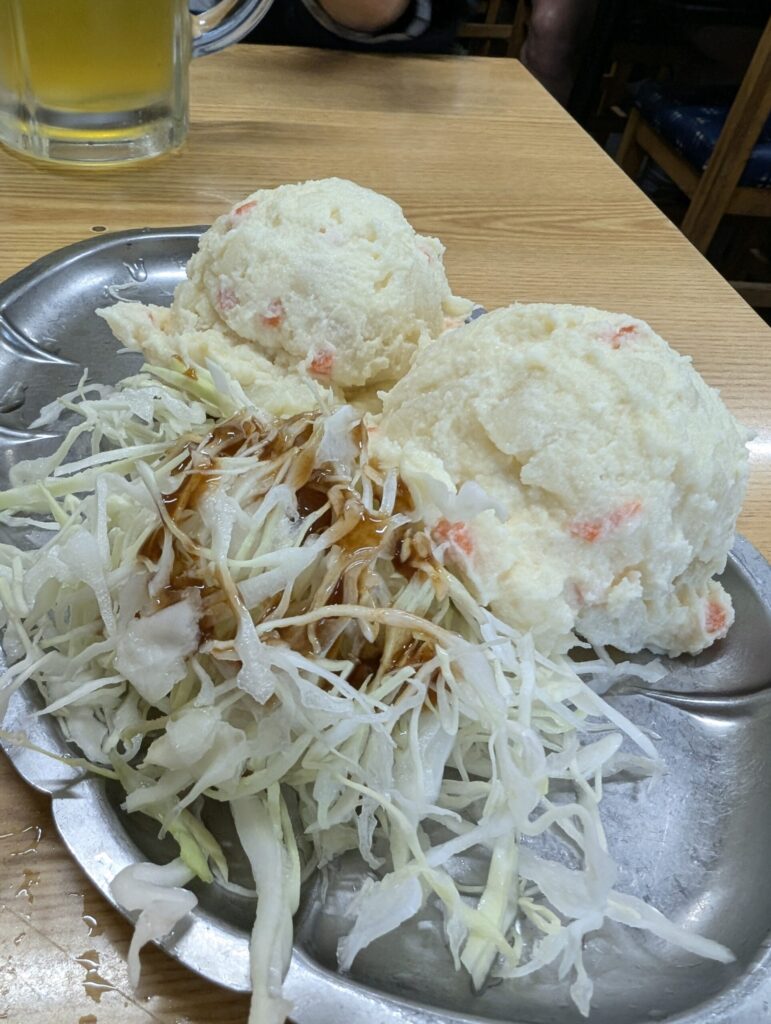
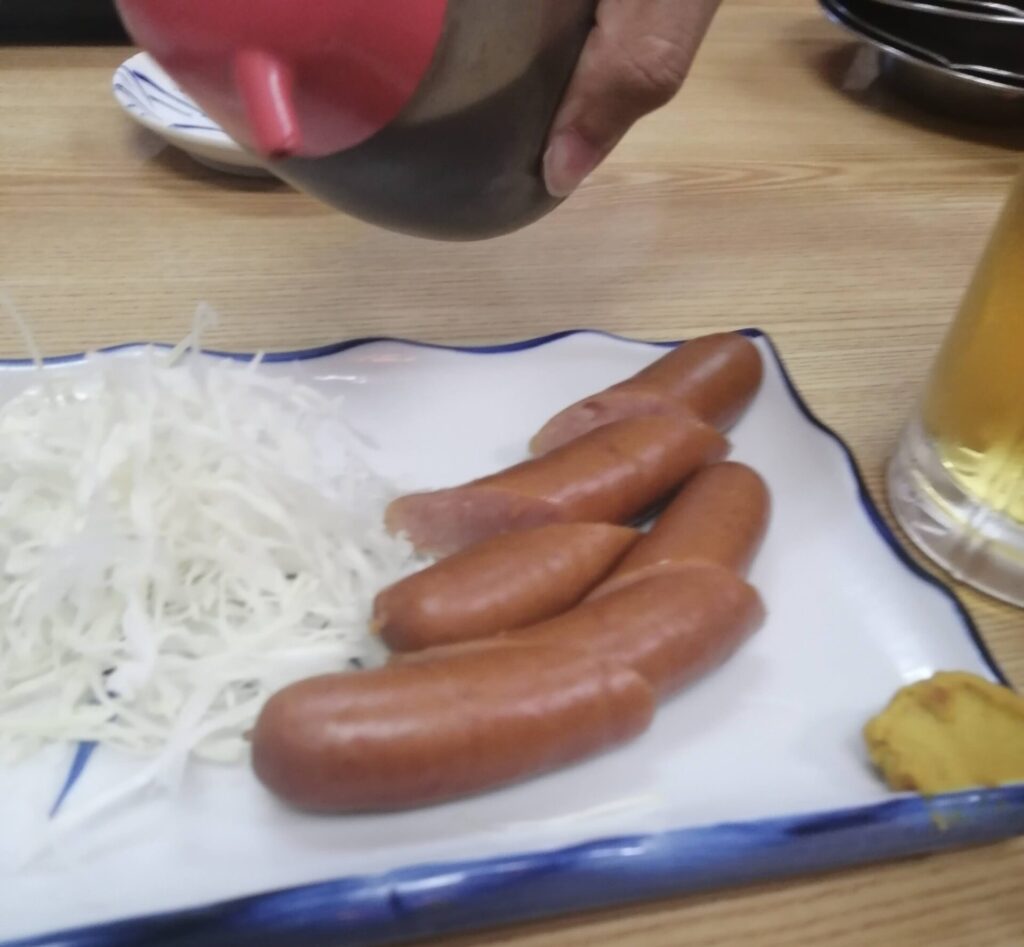
A Shared Life Over Small Plates
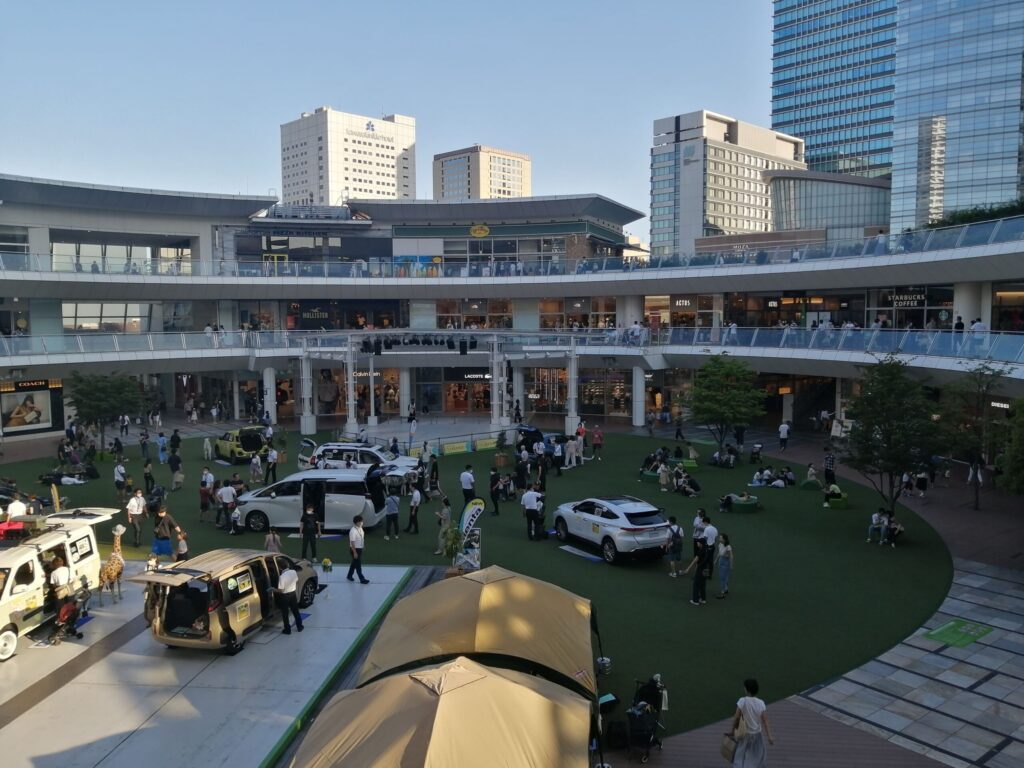
That day, we chatted with an older man in work clothes sitting next to us. Though he looked old enough to have retired long ago, he had worked at a nearby factory for years and said he planned to keep going. He told us his father had been at the Toshiba factory when he heard the Emperor’s wartime broadcast. “Wait, really?” I asked, surprised. The site where that Toshiba factory once stood is now a giant shopping mall called Lazona Kawasaki; not a trace of that history remains.
Across from us, a solo diner was enjoying a hot pot (nabe). However, he was getting a lecture from the veteran waitress—the shop’s “poster girl”—who barked, “Don’t put the meat in yet! Cabbage first! Seasonings go in last!” “Just let me eat how I want!” the man muttered back with a small voice, breaking a cold sweat.
At the table behind us, four colleagues in suits were knocking back Hoppy after Hoppy while venting about their boss.
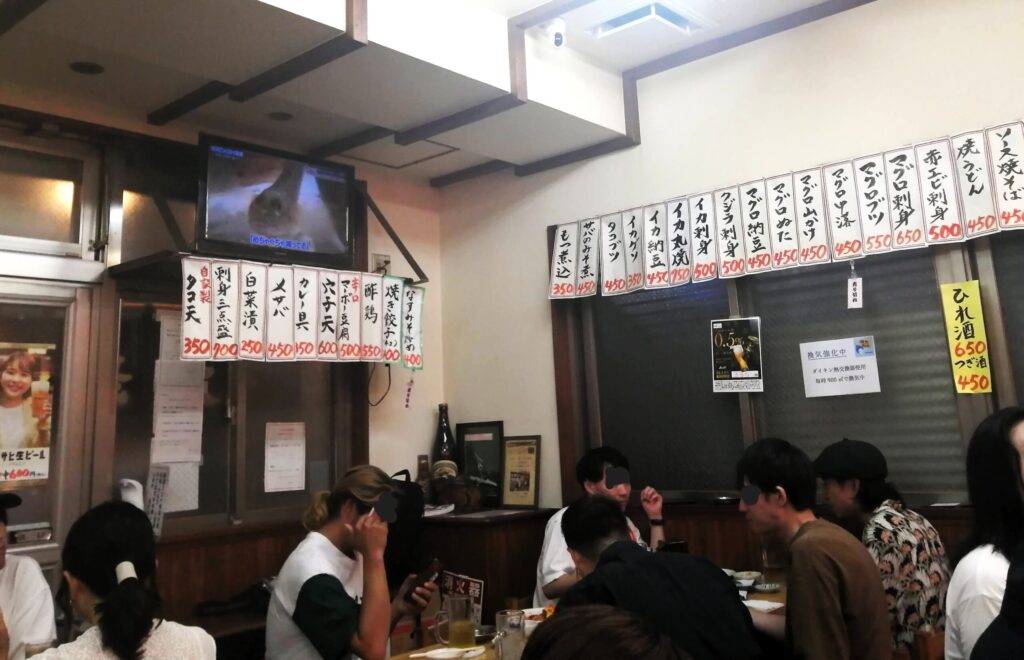
Opportunities to touch the lives of people who are neither friends nor family—people you just happen to sit beside—are rarer than you’d think. Yet, all across Japan, there are places like this where people huddle shoulder-to-shoulder to enjoy cheap drinks and soul food.
When strangers “share” a little bit of their lives with me, I feel a spark of energy return.
Everyone has “stuff” going on. They swallow those troubles, use a drink to momentarily forget the physical world, and then head back to their daily lives. It makes me feel like I’ve found comrades.
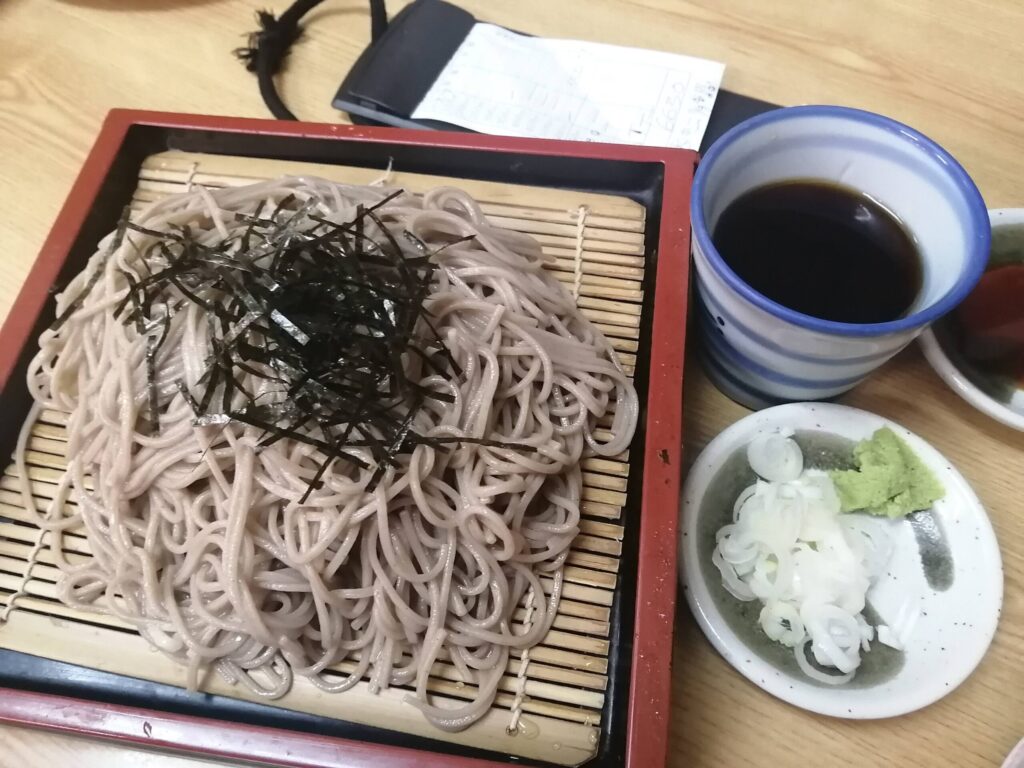
To finish the meal, I ordered soba. The old man next to me leaned in and gave me a tip: “Order some grated yam (tororo) too and pour it over. Then it becomes tororo soba.”
The tororo soba was delicious.