Have you ever heard of the “Senpuku Kirishitan” or “Kakure Kirishitan” (Hidden Christians of Japan)?
In 1549, Jesuit Catholic missionaries, including Francis Xavier, arrived in Japan and began their proselytization. Entering through Kagoshima, they traveled across the Kyushu region spreading the teachings of Christ, with Nagasaki becoming one of their most vital strongholds.
Impoverished and suffering under oppressive rule, many peasants found salvation in these teachings and rapidly converted, becoming known as “Kirishitan.” In Kyushu, even some powerful feudal lords—the “Kirishitan Daimyo”—emerged. Fearing their growing influence, Toyotomi Hideyoshi and Tokugawa Ieyasu (two of the most famous shoguns in Japanese history) strictly banned Christianity. The Kirishitans who rebelled against this suppression were brutally crushed.
However, the peasants who refused to abandon their faith continued to practice it in secret. Outwardly feigning to be Buddhists or Shintoists to slip past the watchful eyes of the authorities, they kept their beliefs alive in the shadows. These people came to be known as the “Senpuku Kirishitan” (Hidden Christians).
The Senpuku Kirishitan dramatically stepped back into the light about 250 years later, in 1865. Japan’s long Edo-period isolation had ended, opening the doors to international trade. Nagasaki was designated as one of the five international trading ports. The foreigners residing there for commerce were guaranteed freedom of religion, leading to the construction of churches around the port of Nagasaki.
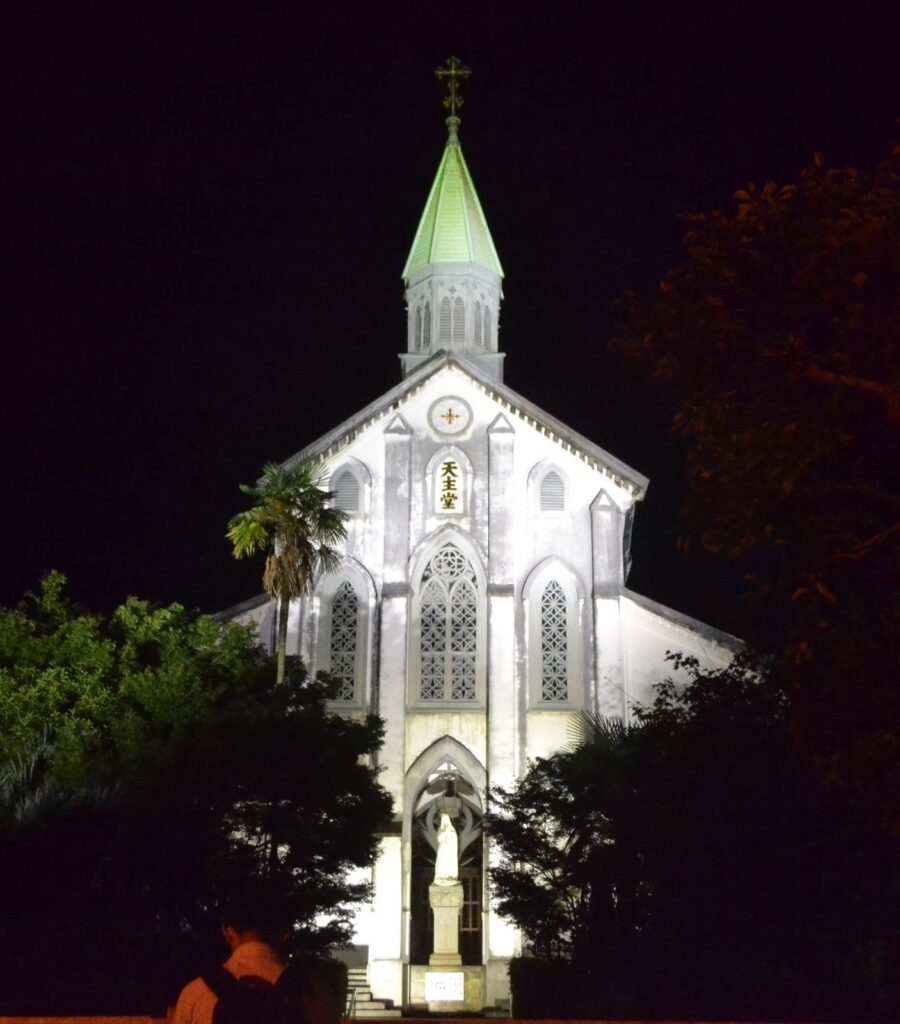
One of these was the Oura Church. One day in 1865, a French priest, Father Petitjean, was visited by 15 Japanese people who confessed their faith to him. This miraculous news was broadcast around the world as the “Discovery of Hidden Christians” (Shinto Hakken).
Even after the ban on Christianity for Japanese citizens was finally lifted in 1873, a group of the Senpuku Kirishitan chose not to rejoin the Catholic Church. Instead, they continued to pass down their uniquely transformed faith—such as the chanting of “Oratio” prayers and the veneration of the “Maria Kannon” (the Virgin Mary disguised as a Buddhist deity). They are referred to as the “Kakure Kirishitan.” Today, it is said that very few of them remain.
Perhaps the easiest way to understand this history is through Martin Scorsese’s film Silence. The original novel of the same name by Shusaku Endo is also an absolute masterpiece.
My own grandfather was a devout Christian. When I was little, my mother used to take me to Sunday school. Unfortunately, the faith never quite took root in my young heart. However, a friend who attended with me struggled to reconcile the teachings of the Bible with the harsh realities of society—specifically, the fierce academic competition and bullying at school—and eventually suffered a mental breakdown.
What exactly is religion? Even today, religious conflicts never cease around the world. The faith brought to Japan by missionaries cost many Japanese their lives, yet at the same time, countless others found a guiding light in those teachings, preserving them through oral tradition for two and a half centuries. As a child lacking imagination, I couldn’t comprehend the meaning of “faith,” but as an adult, I can begin to imagine its weight. The existence of the Kakure Kirishitan intensely stirs my most fundamental questions: “What is religion?” and “What does it mean to be human?”
Pardon the long introduction. In 2015, a friend and I took a boat from Nagasaki City to travel around the Goto Islands. The Goto Islands are where Christians, facing severe persecution on the mainland of Nagasaki, fled by sea to continue their faith in hiding. Even today, the islands are dotted with beautiful Catholic churches.
However, this journey does not end in the Goto Islands. It is a long expedition that traces the history of “prayer” and “rebirth” in Nagasaki—from the majestic churches of Sasebo and the traditional pottery town of Arita, to the Atomic Bomb Hypocenter in Nagasaki City, which reminds us of the tragedies of World War II. Of course, as a foodie, I can’t forget to share Nagasaki’s local food!
First, let’s begin with our sightseeing tour of Nagasaki City.
Day 1: Nagasaki City. Oura Church, Glover Garden, and a Nagasaki Izakaya
It takes a little under two hours by plane from Haneda Airport in Tokyo to Nagasaki. From the airport, it’s about a 40-minute ride on the limousine bus to Nagasaki Station.→Nagasaki AirpoIt takes a little under two hours by plane from Haneda Airport in Tokyo to Nagasaki. From the airport, it’s about a 40-minute ride on the limousine bus to Nagasaki Station.
For more information: Nagasaki Airport official website
I’ve visited Nagasaki for 3 times. The first thing that comes to mind when stepping out of Nagasaki Station is, “Wow, I’m really in Nagasaki…” (lol).
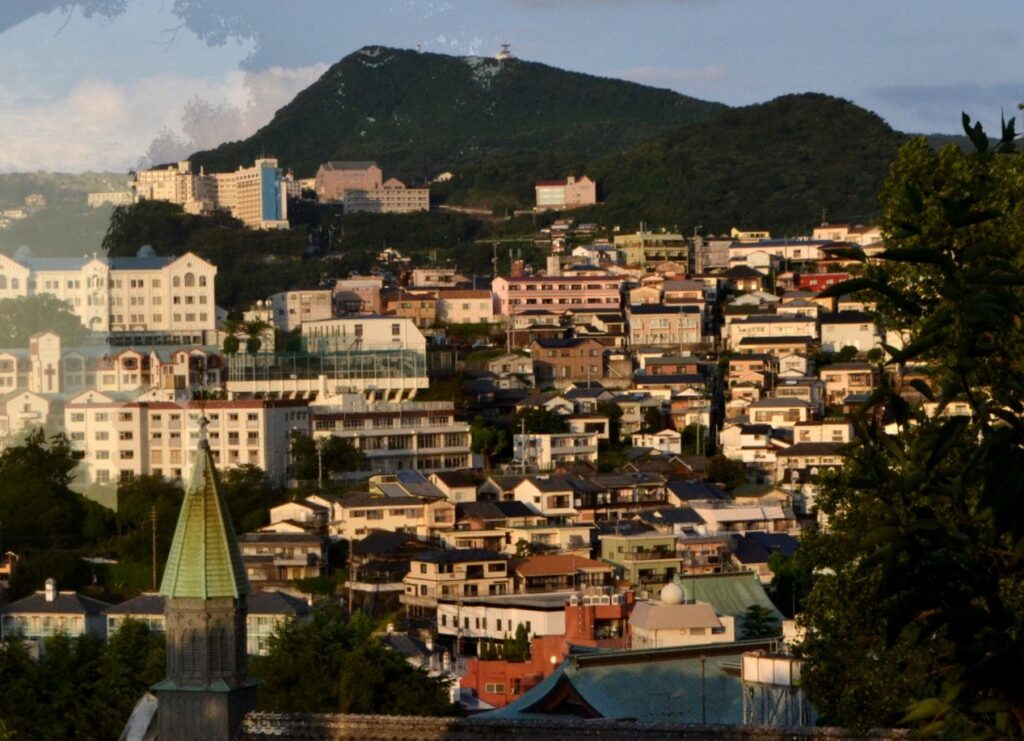
There are just so many steep hills, and the sight of them makes me wonder in amazement, “People actually live all the way up there?”
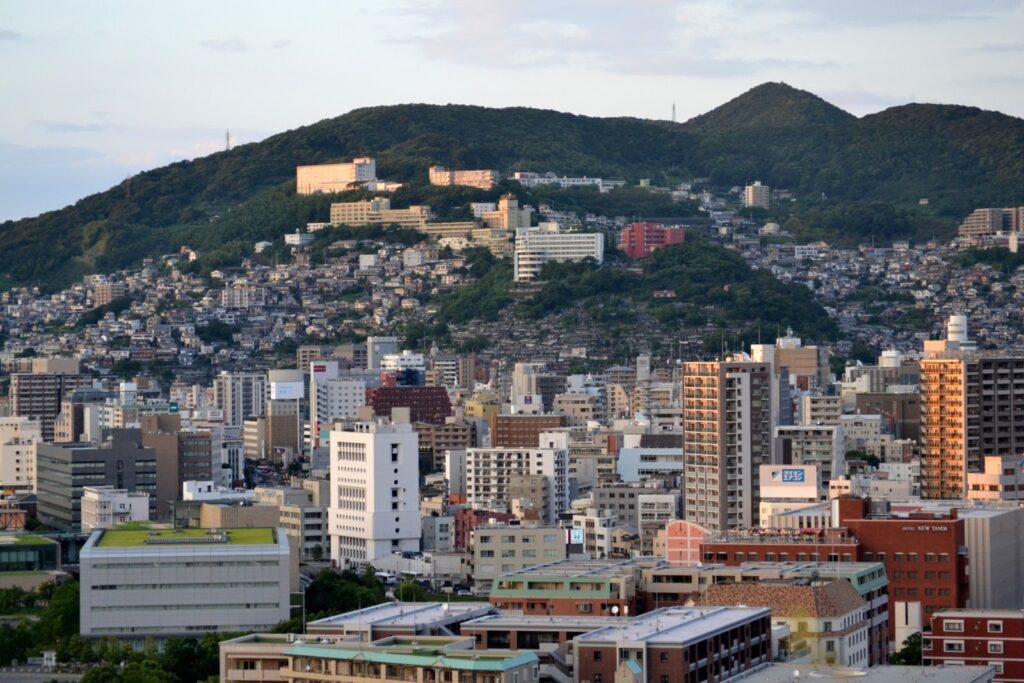
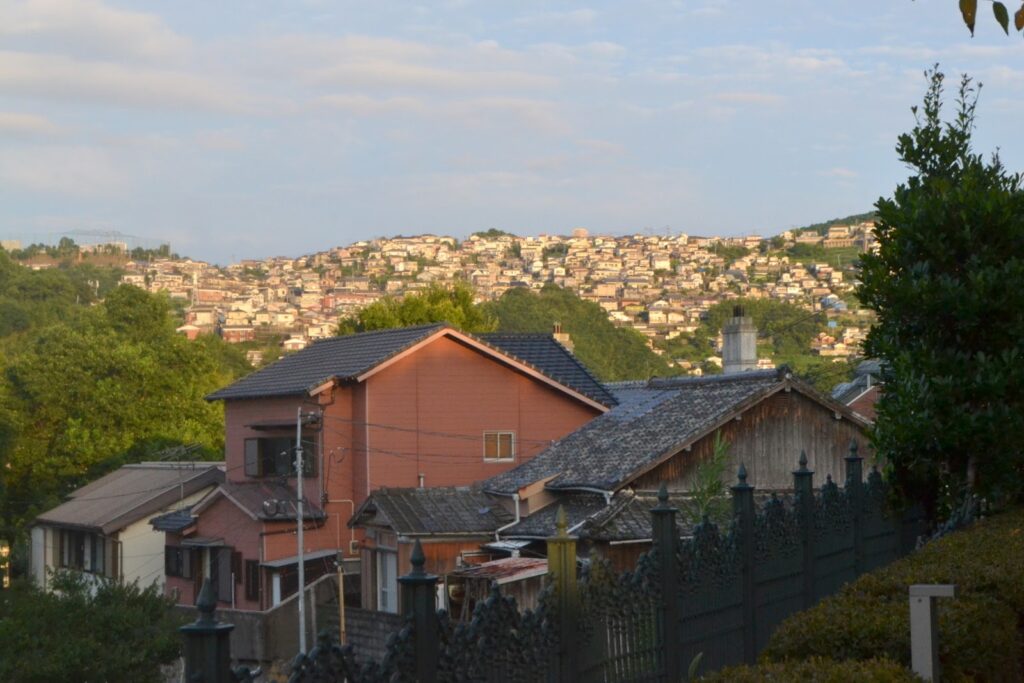
However, the area in front of the station is very lively, with a modern shopping mall, plenty of restaurants, and the famous city trams (streetcars) running through it. We hopped on a tram and headed south from the station toward Oura Church.
Before sightseeing, it was time to fill our stomachs. When you think of Nagasaki, you think of Nagasaki Champon.
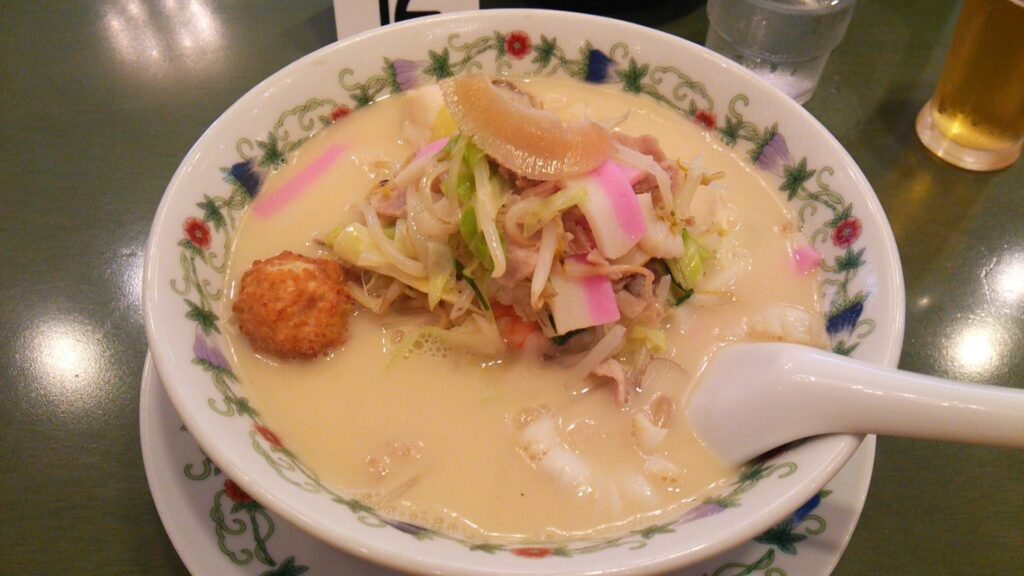
In Japan, you can eat it at the nationwide chain “Ringer Hut,” but this time we had it at “Shikairou,” the restaurant where this dish originated. The umami of the chicken and pork bone broth is absolutely irresistible!
For more information: Shikairo Official Website
By the way, the word “champon” also means “mixing two or more things together.” There are many kinds of “champon” in Nagasaki. Let’s take a look at some of them as we go.
Let’s head to Oura Church.
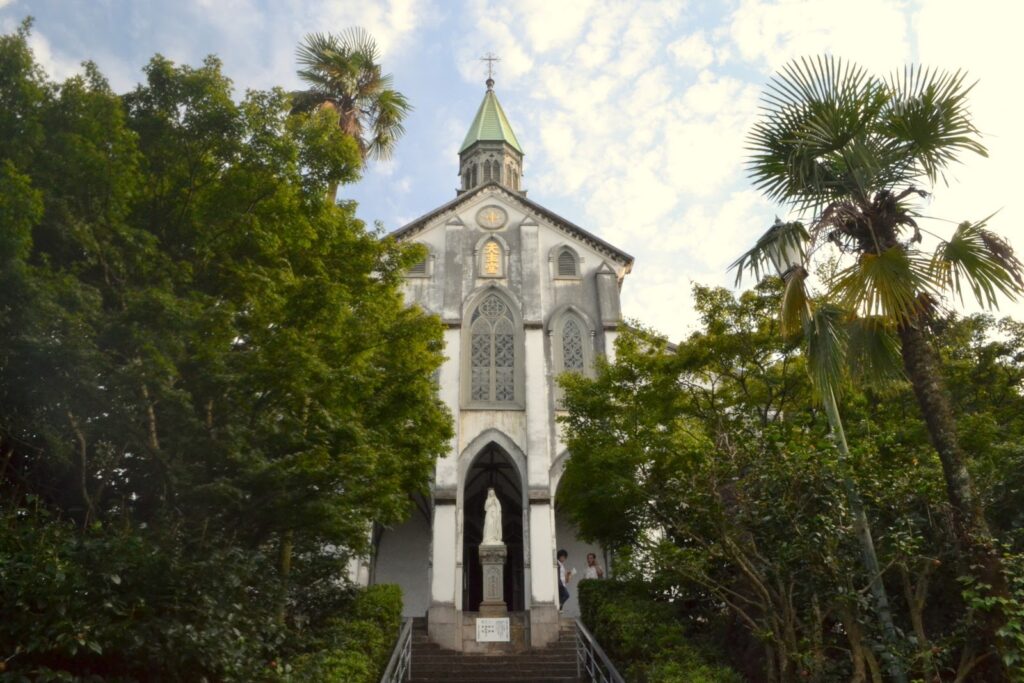
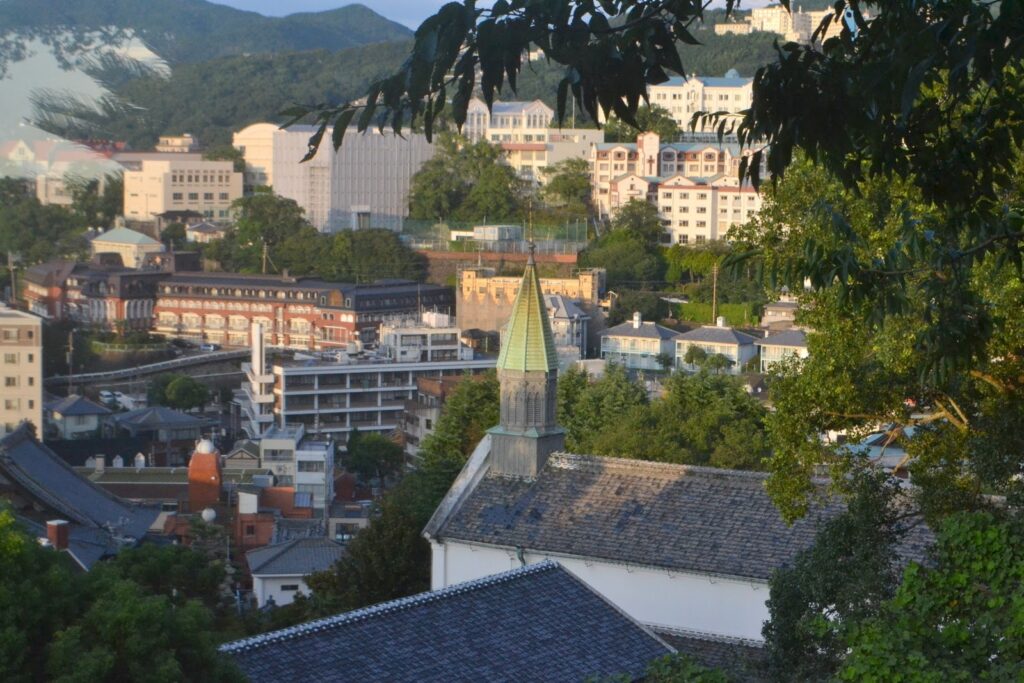
This building is a National Treasure and is said to be the oldest surviving Christian church in Japan. You can find more details about its history on their official website.
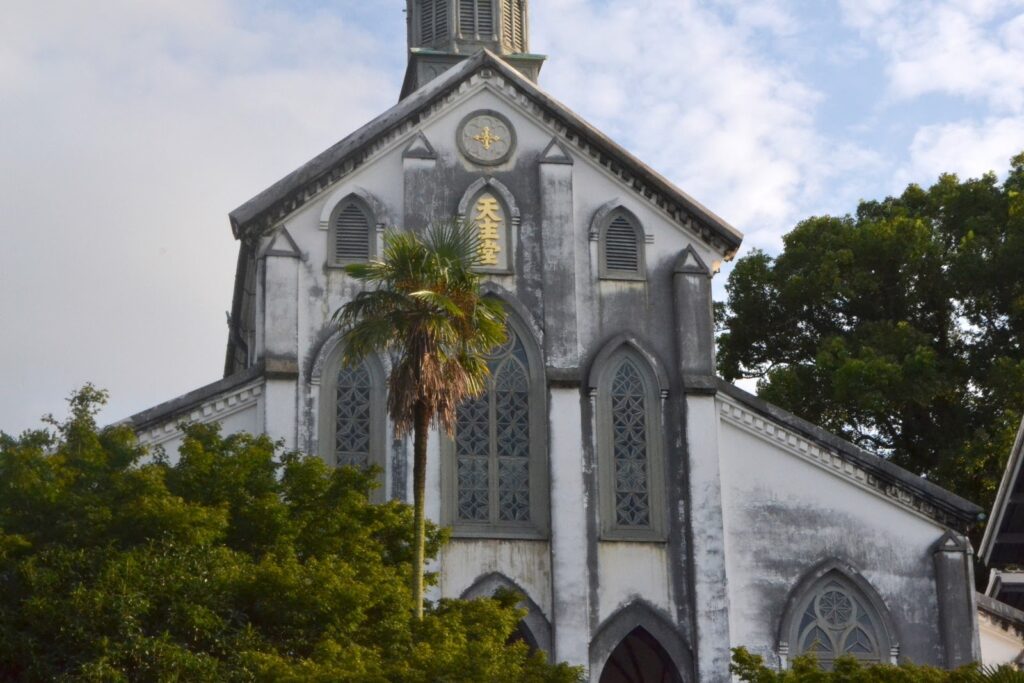
The name “天主堂 Tenshudo” (Oura Church) is written in Kanji. This fusion of different cultures—a Western church with Kanji—is a kind of “champon” that can be seen all over the city of Nagasaki. Even though the church was built for foreign residents, Father Petitjean purposely displayed the Kanji “Tenshudo” (Temple of the Heavenly Lord) because he anticipated that there might be Christians who had survived the severe ban on Christianity.
The priest’s guess was right. A dozen or so “Hidden Christians” remaining in Urakami Village visited him, saying, “Our hearts are the same as yours.” This single phrase was a life-risking confession during an era when the ban on Christianity was still strictly enforced. The surprised priest secretly continued to converse with them, and through their oral traditions and customs, he became convinced they were Christians. The news of the “Discovery of the Christians” was brought to the then Pope Pius IX, who was deeply moved and blessed the event, calling it the “Miracle of the East.”
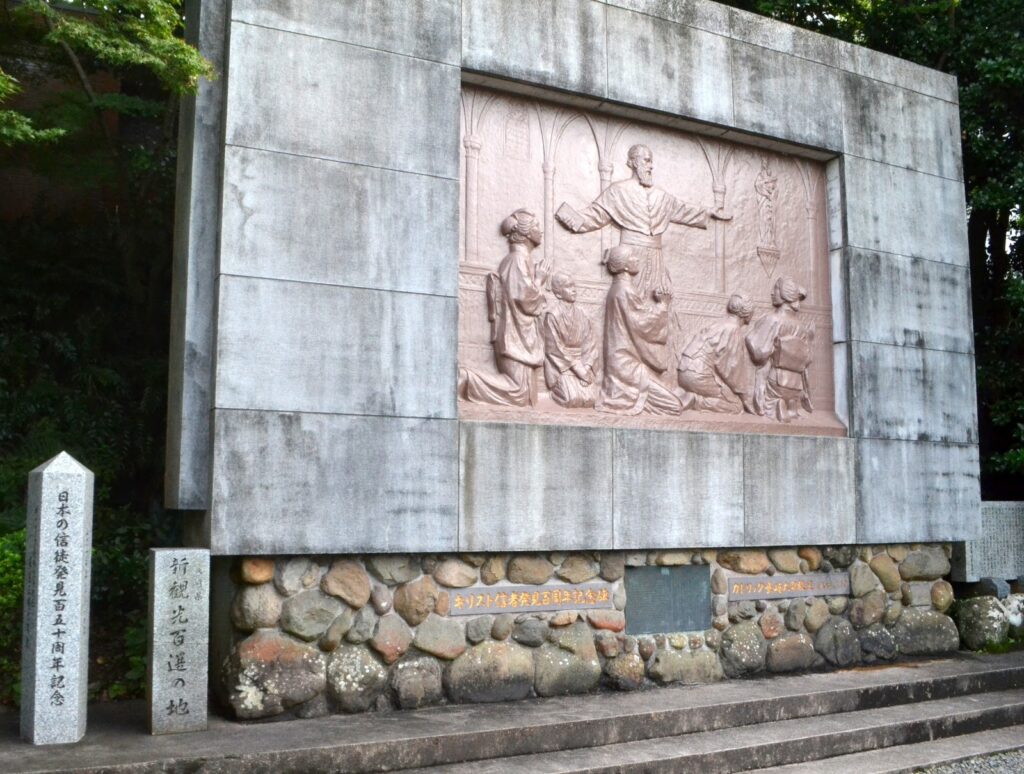
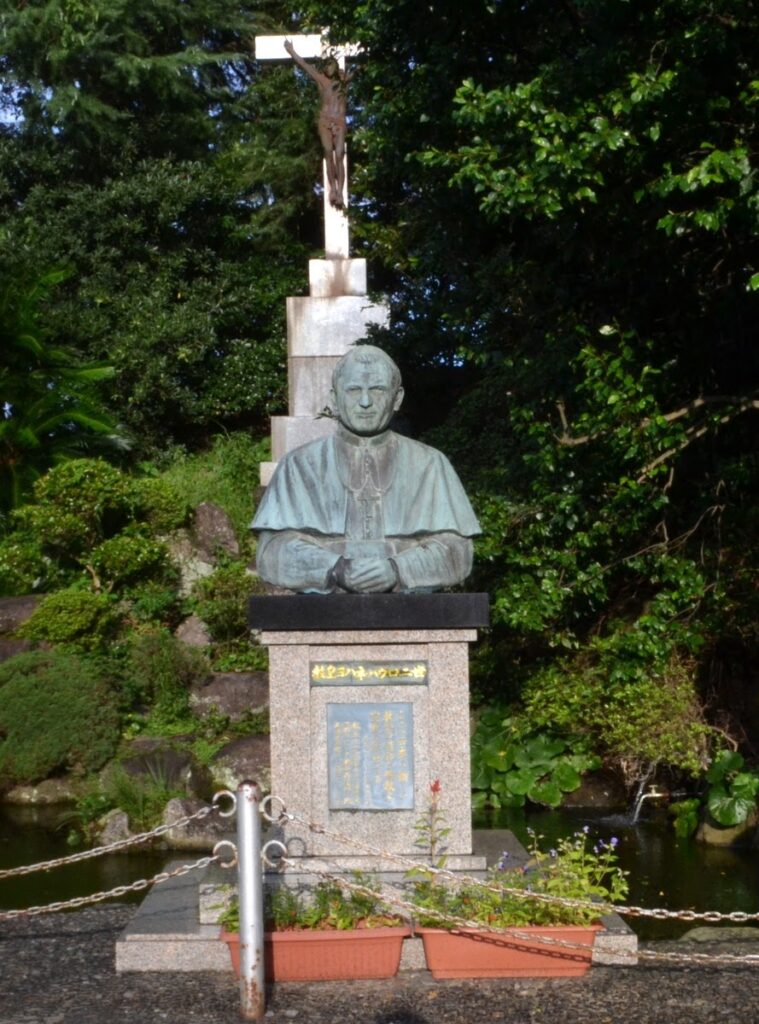
Now, after touring Oura Church, we walked up the hill to the adjacent Glover Garden.
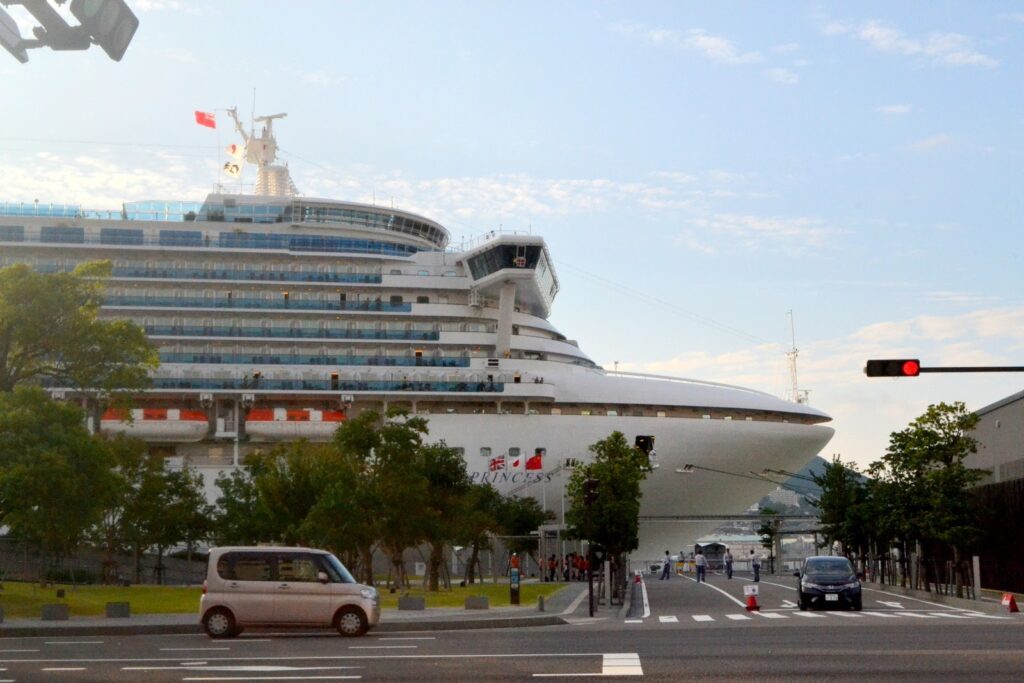
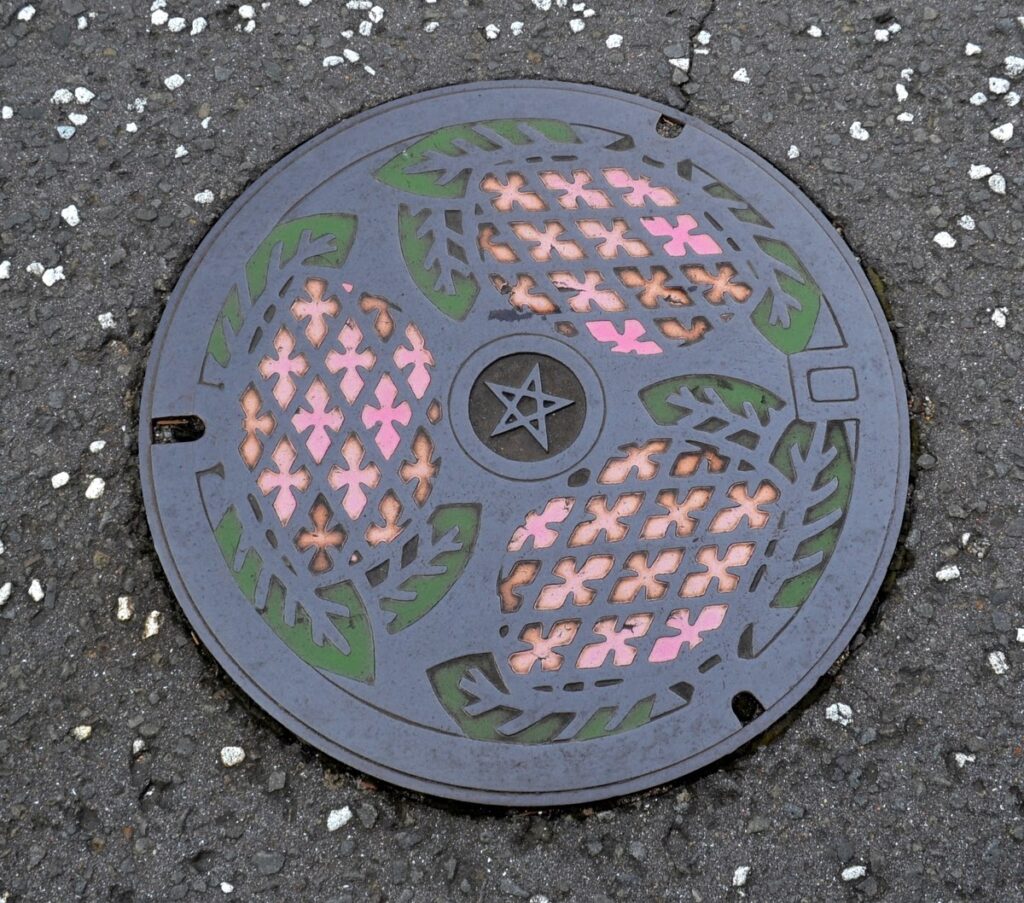
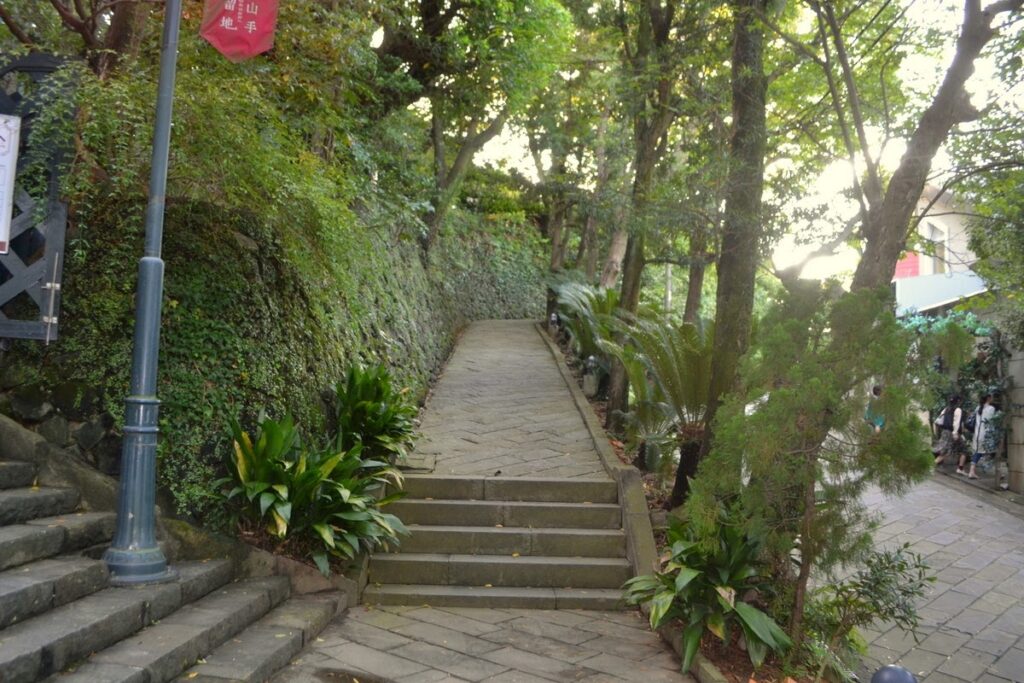
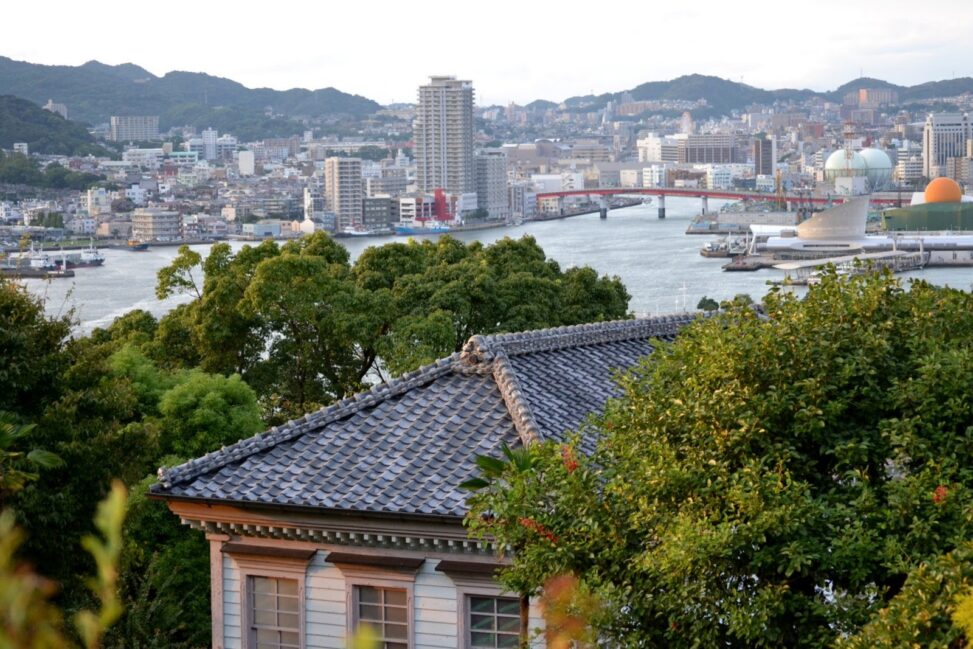
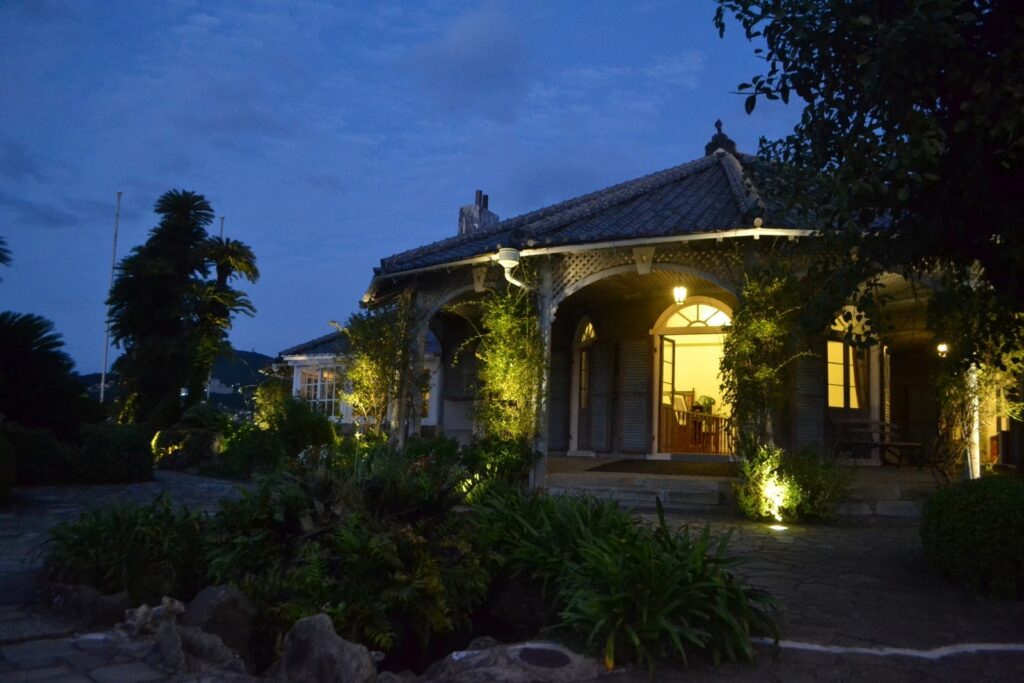
Glover Garden is a component of the World Heritage site “Sites of Japan’s Meiji Industrial Revolution,” and is said to be the oldest surviving wooden Western-style building in Japan, constructed in 1863.
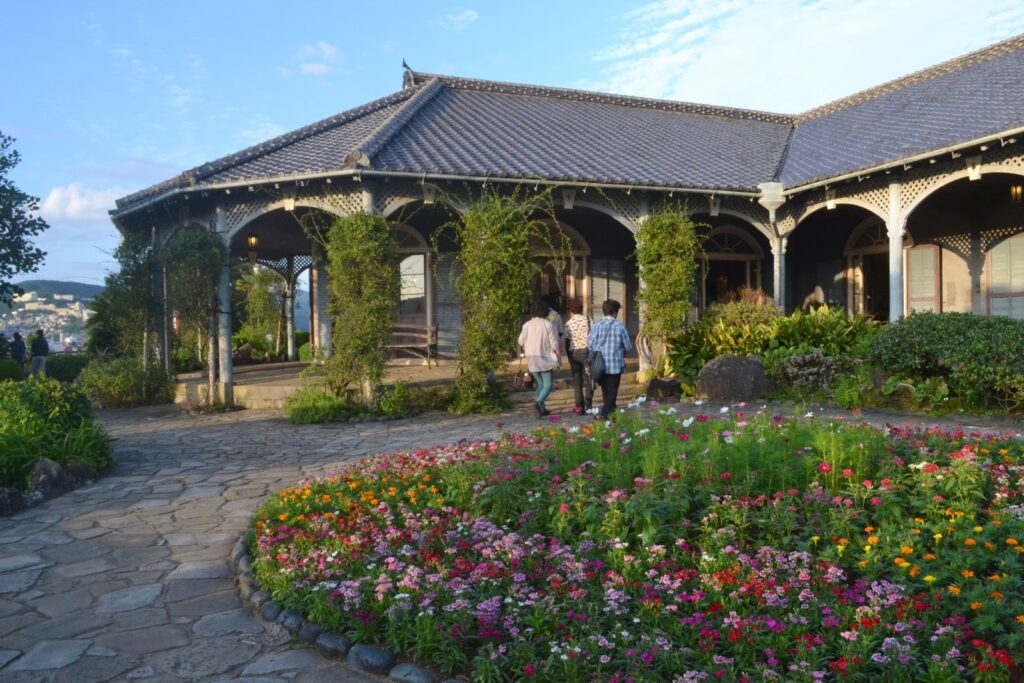
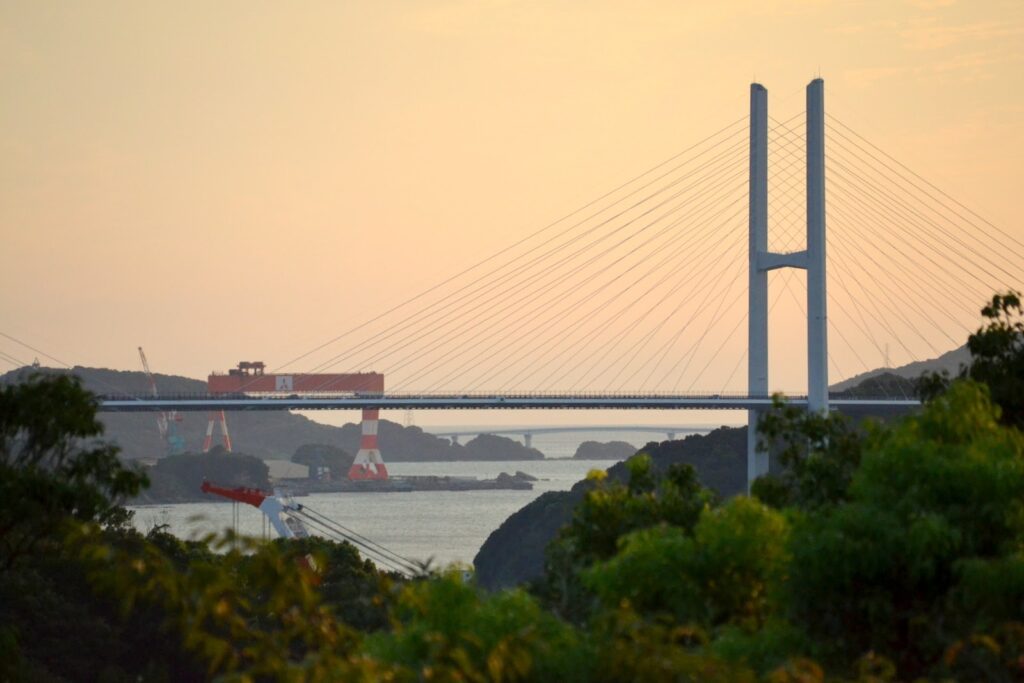
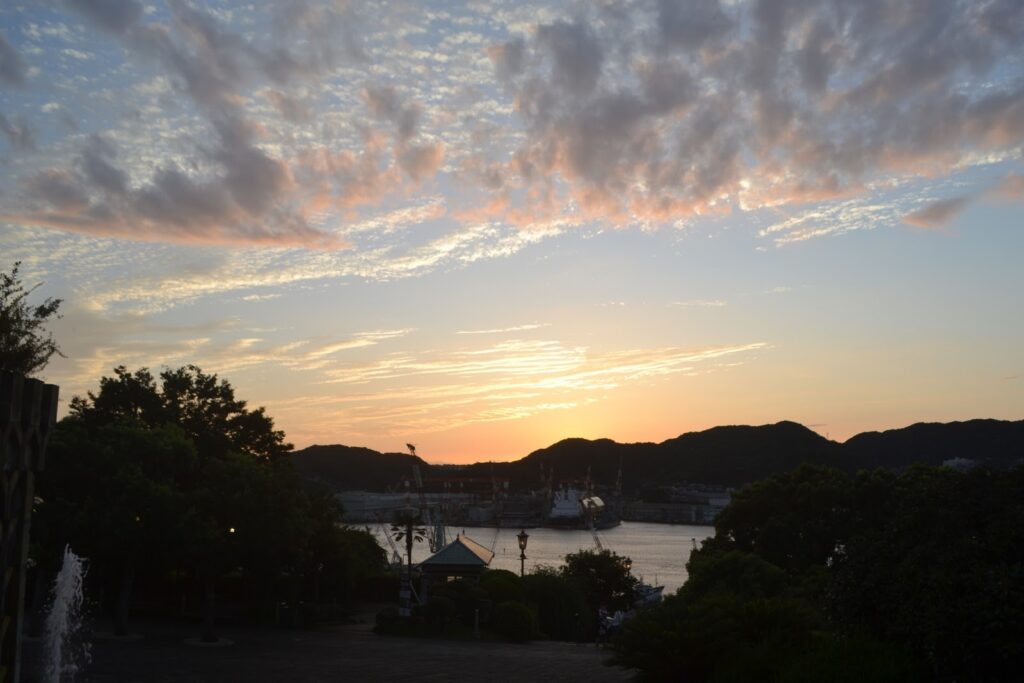
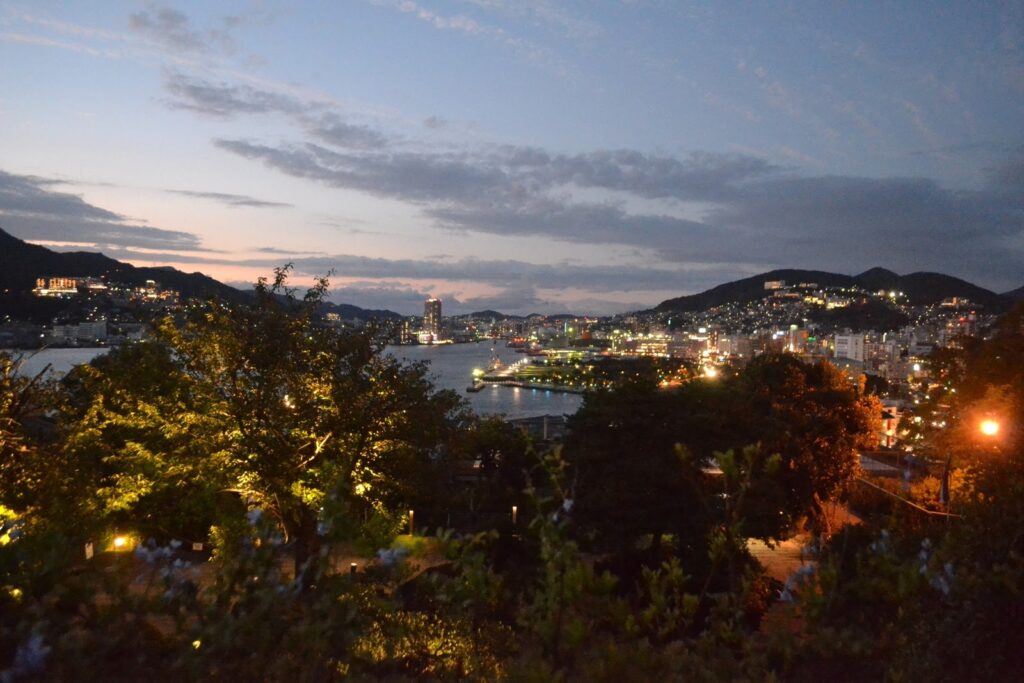
This place, where the British merchant Thomas Glover lived, is a popular tourist attraction (Glover Garden) offering a panoramic view of Nagasaki Port from its garden. As you can see, the view is absolutely stunning.
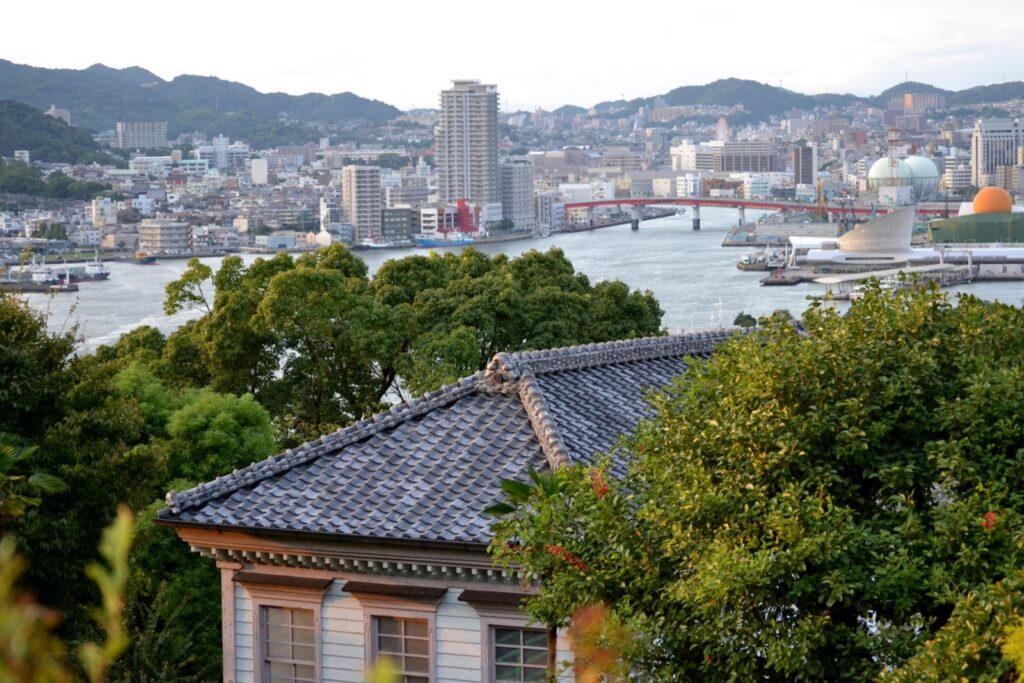
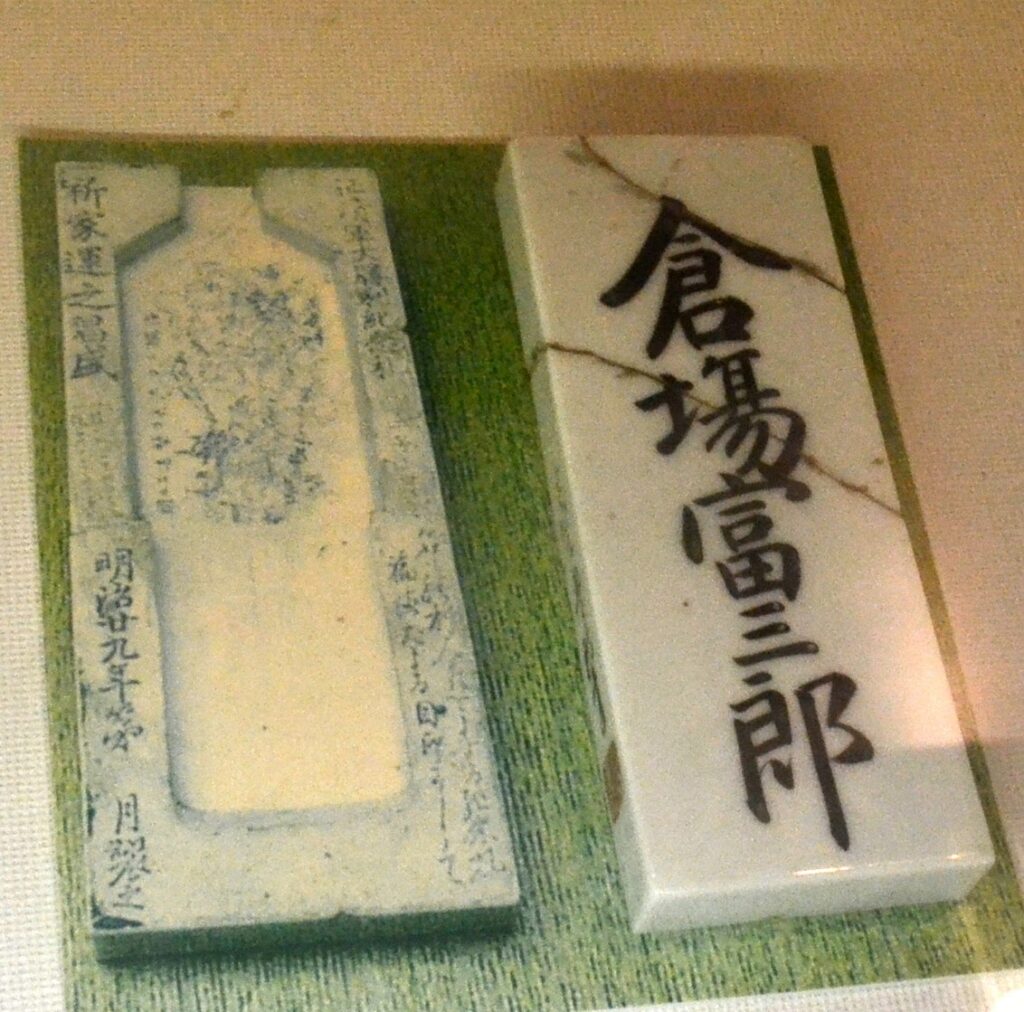
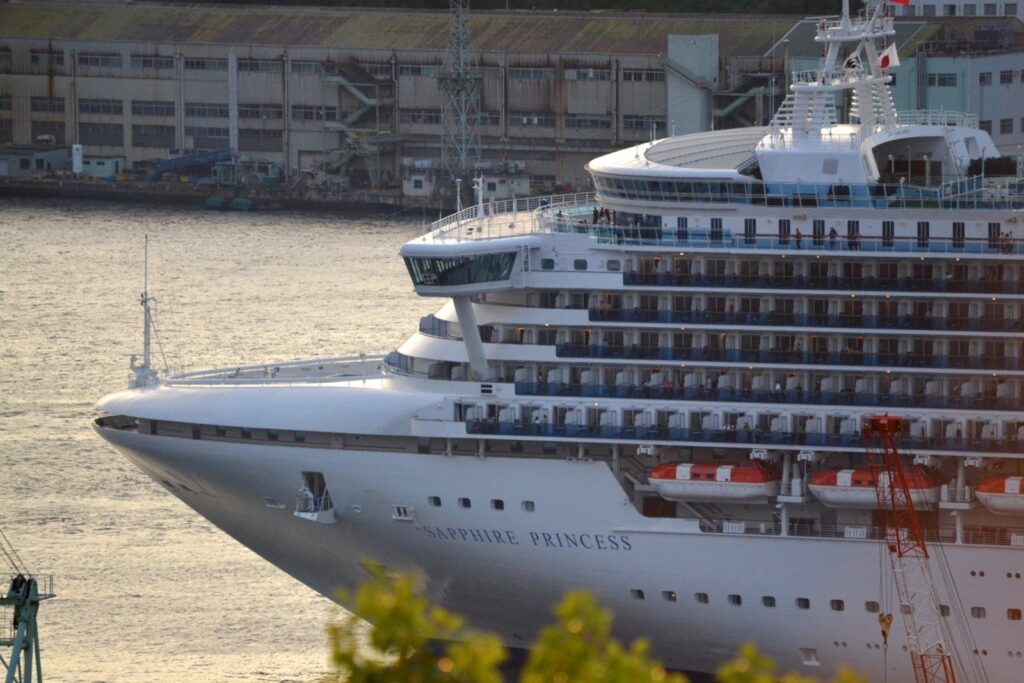
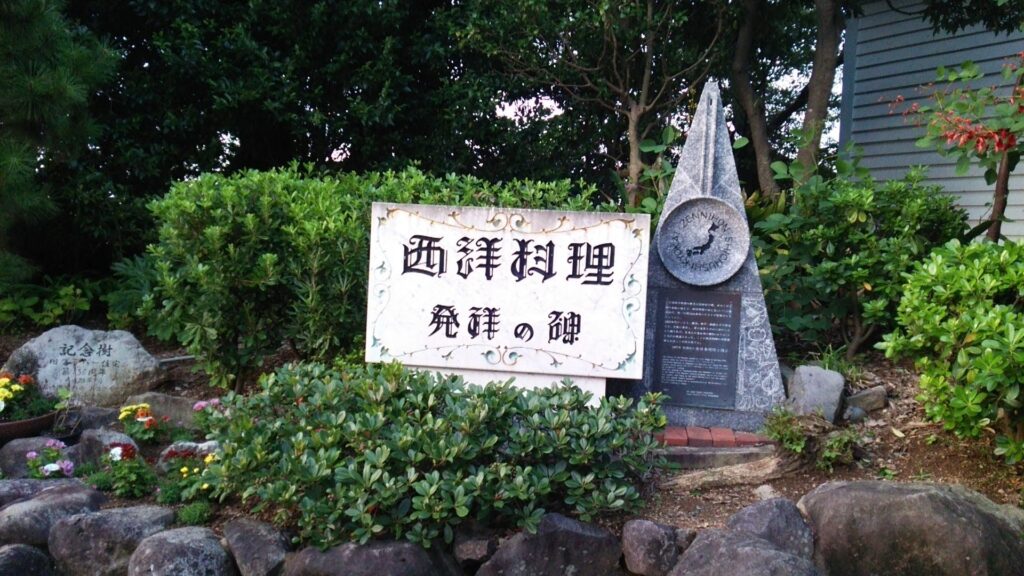
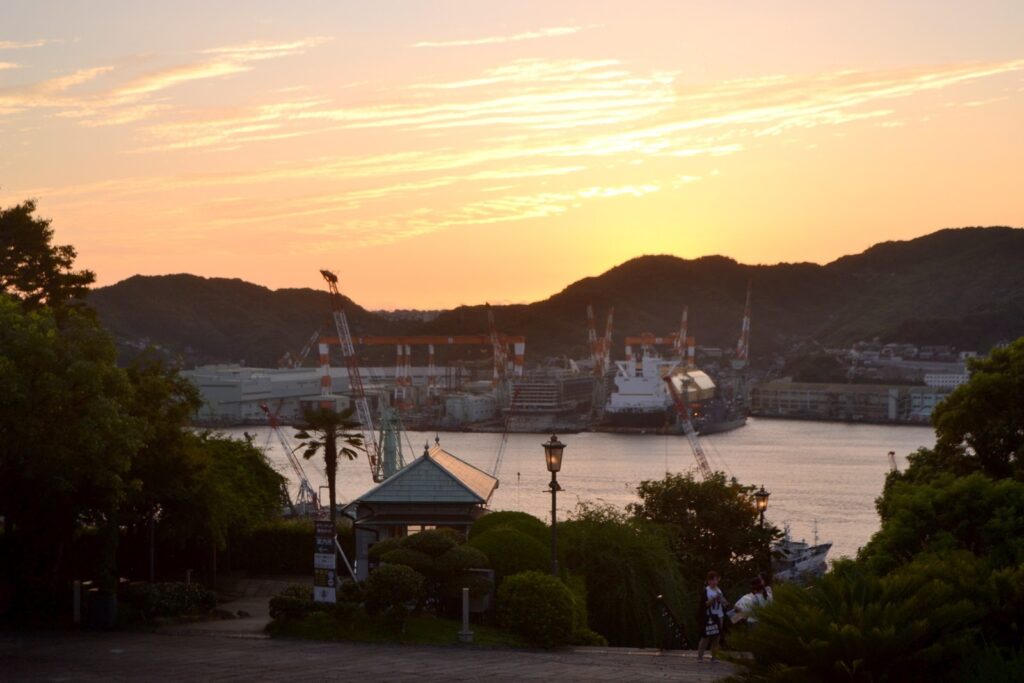
Gazing at the beautiful sunset, I lost track of time for a while. How nice it would be… I wished I could build a house on high ground like this and look at such a beautiful sunset from my living room every day (lol).
In the evening, we headed to the atmospheric downtown area, Shianbashi Yokocho.
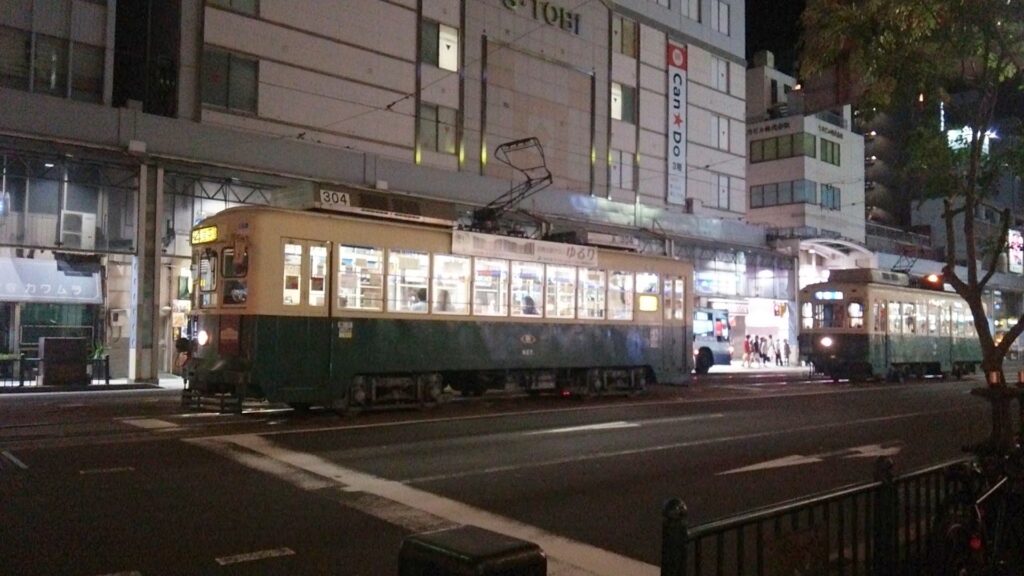
For more information: Nagasaki Denki Kido Official Website (Japanese only)
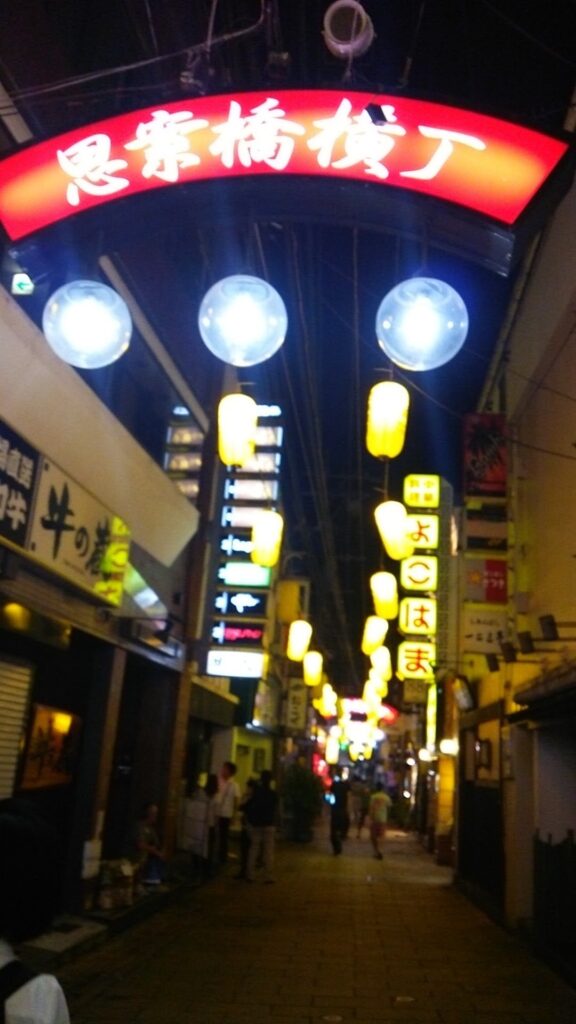
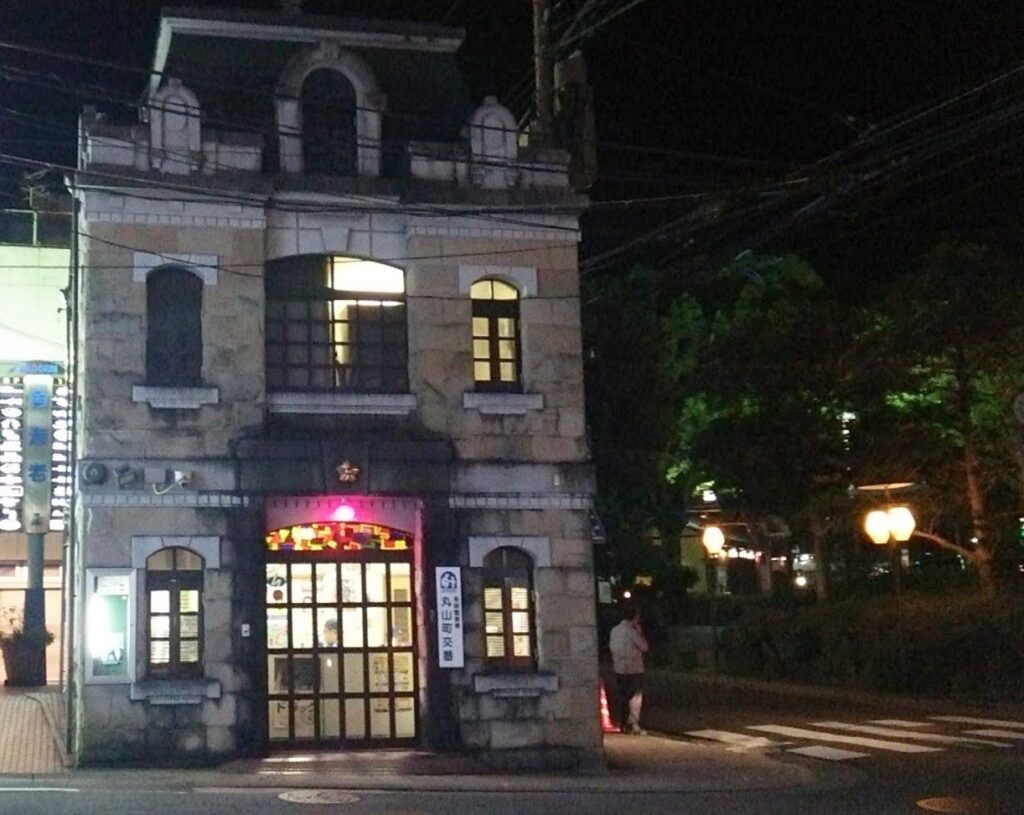
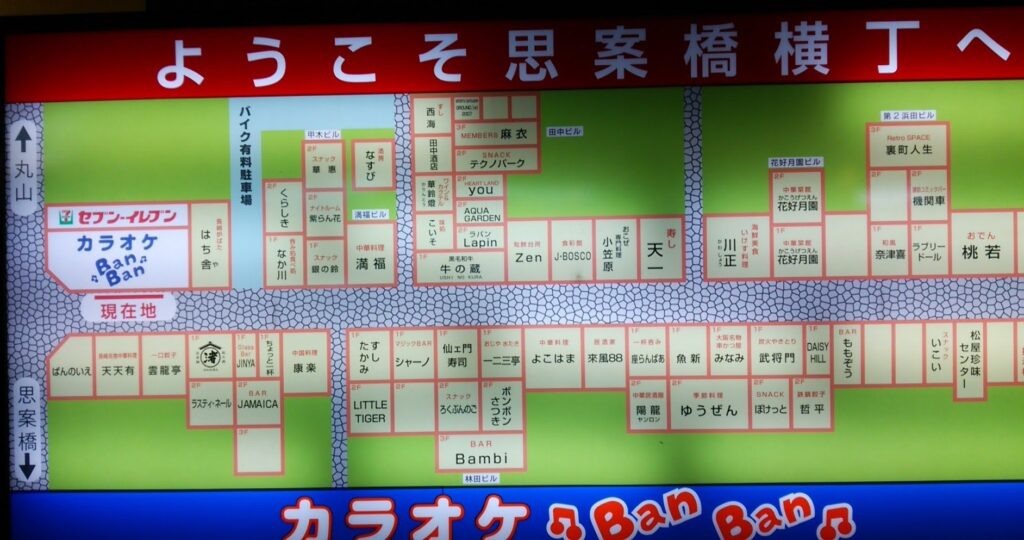
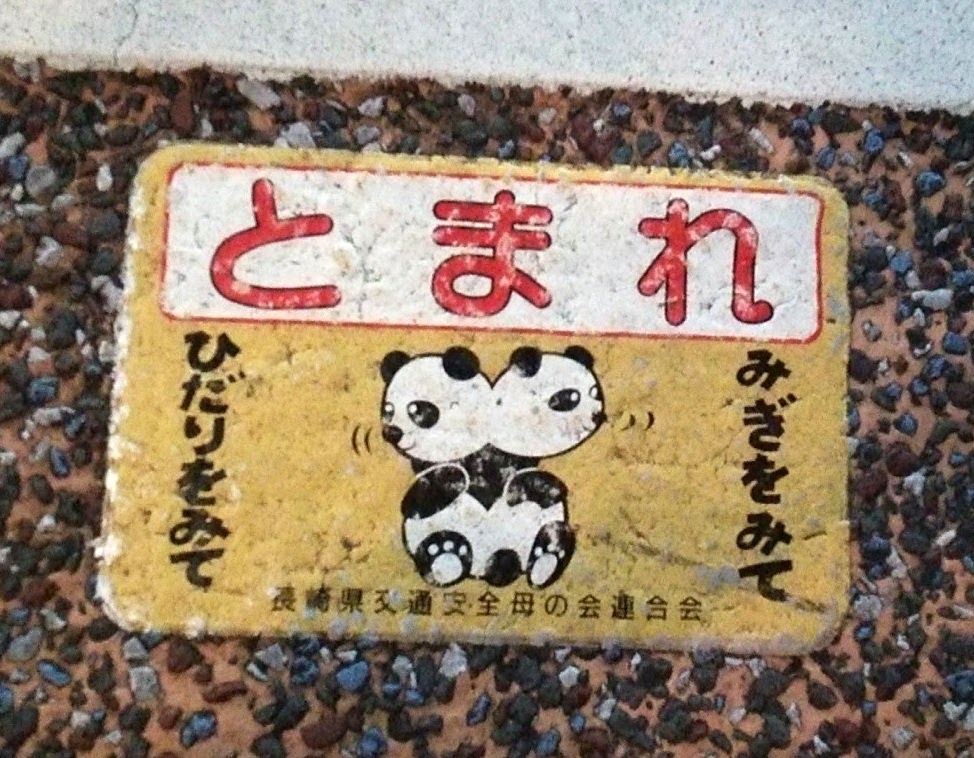
You can find the origin of the name Shianbashi on this website!
Since this was a trip from 15 years ago, I forgot which restaurant we went into (sorry!), but I spent a fun night with a friend who is just as much of a drinker as I am.
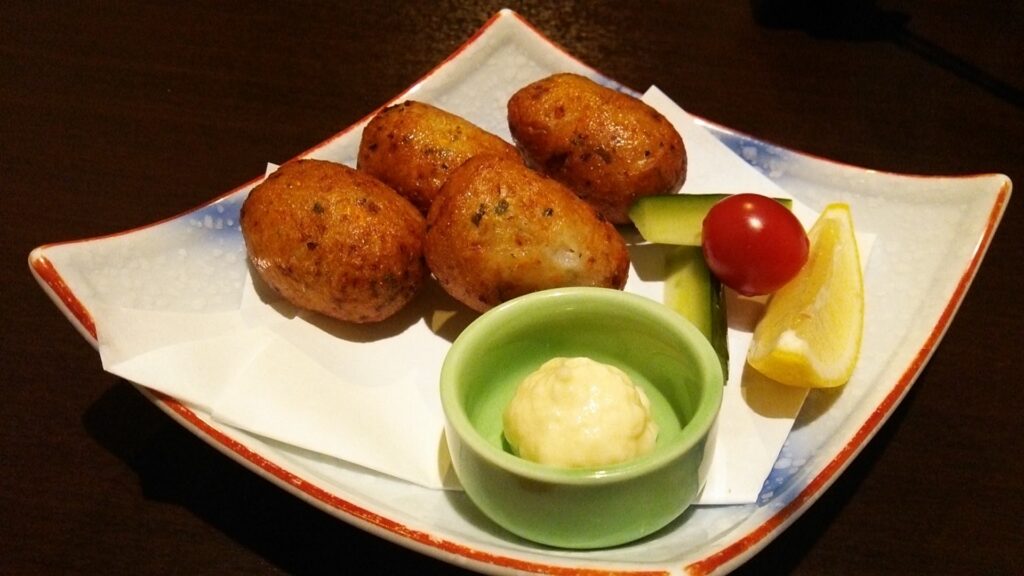
For more information about Hatoshi, please visit the Ministry of Agriculture, Forestry and Fisheries website.
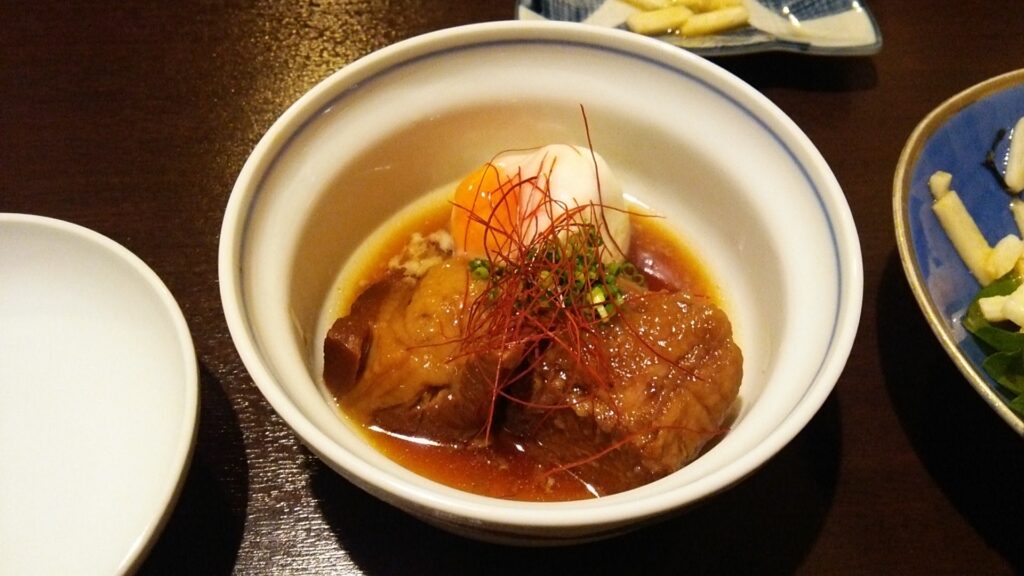
Tomorrow, we finally set sail for the Goto Islands.