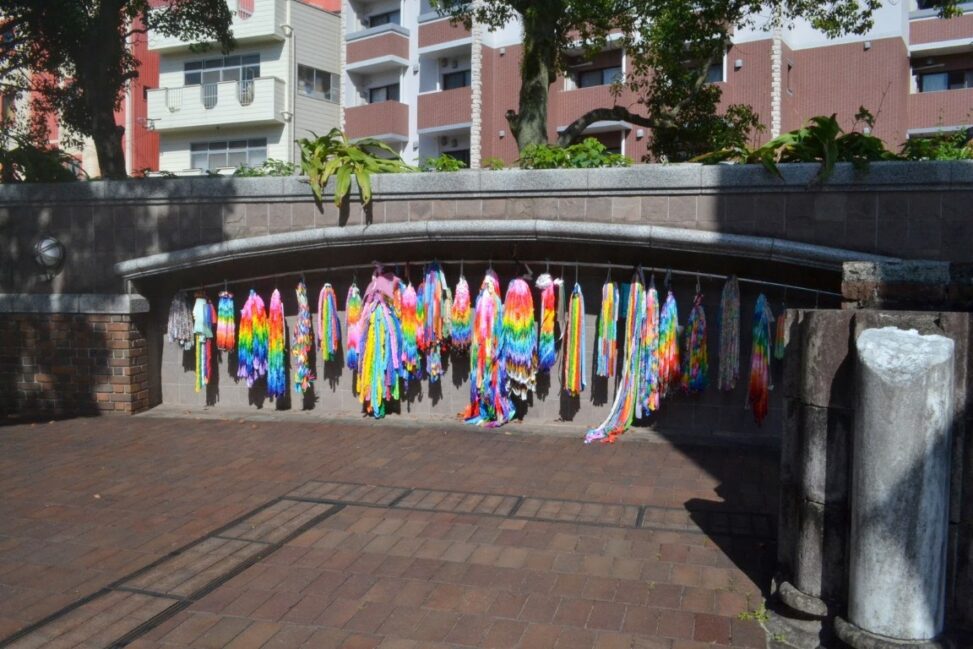
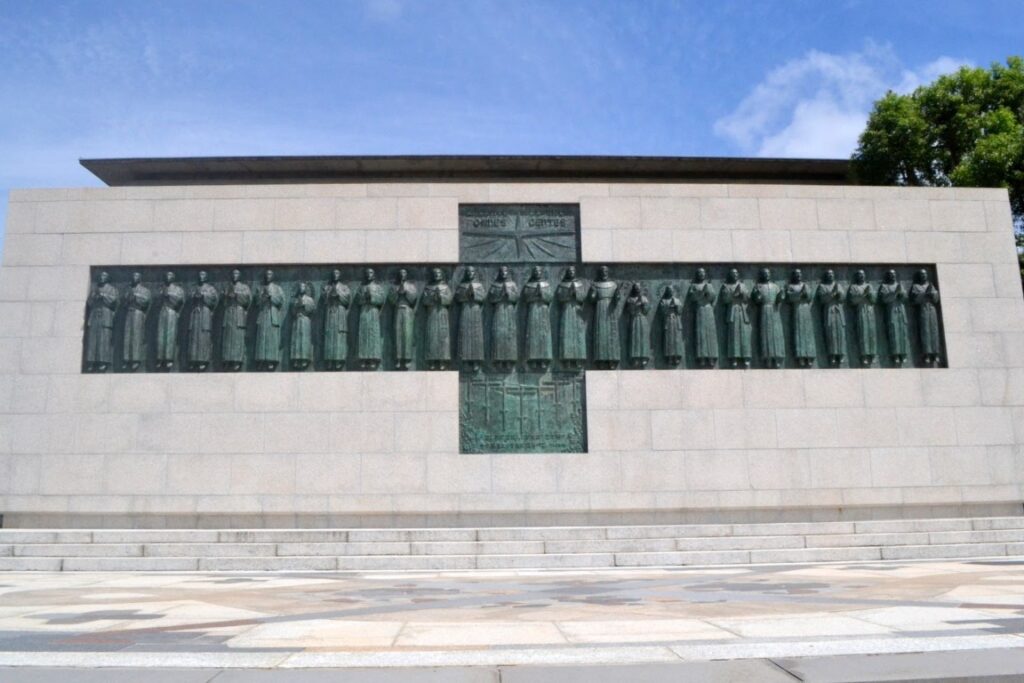
Now, it’s finally the last day of our Nagasaki trip. Today, we’ll tour Nagasaki City before heading home. First, we headed to the “Site of the Martyrdom of the 26 Saints of Japan” in Nishizaka Park. You can walk there from Nagasaki Station.
In 1597, due to the ban on Christianity issued by the shogun Toyotomi Hideyoshi, six Franciscan missionaries and 20 Japanese believers were executed on this hill.
Many more believers were killed here afterwards. Later, successive Popes designated this site as an official pilgrimage destination, and some have visited to pray here during their trips to Japan.
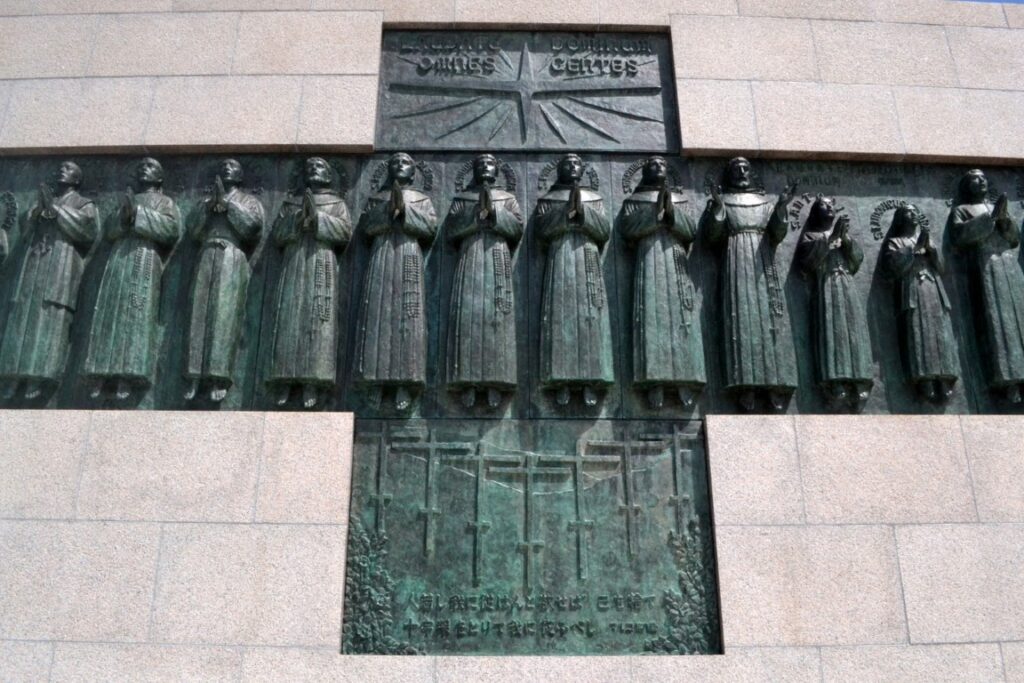
A trip to Nagasaki constantly brings you face-to-face with the “history of religious suppression,” the “history of those who nevertheless protected their faith to the end,” and the “history of faith being altered through unique interpretations.” Fortunately or unfortunately, most Japanese people living today don’t agonize over their faith, but in Nagasaki, traces of this bloody history are everywhere, and the sheer cruelty of humanity leaves you speechless.
Nearby is a somewhat flashy(?) church: St. Philip Church.
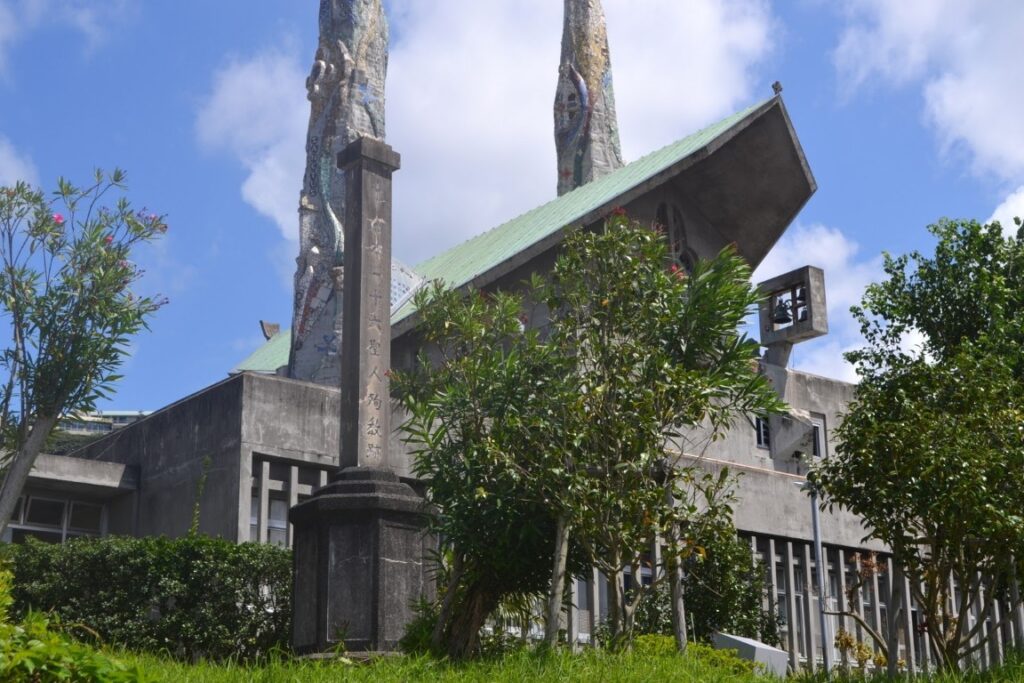
Its name is said to come from Felipe de Jesús, a Mexican who was one of the 26 Martyrs. It was designed and built by architect Kenji Imai using donations from Mexico.
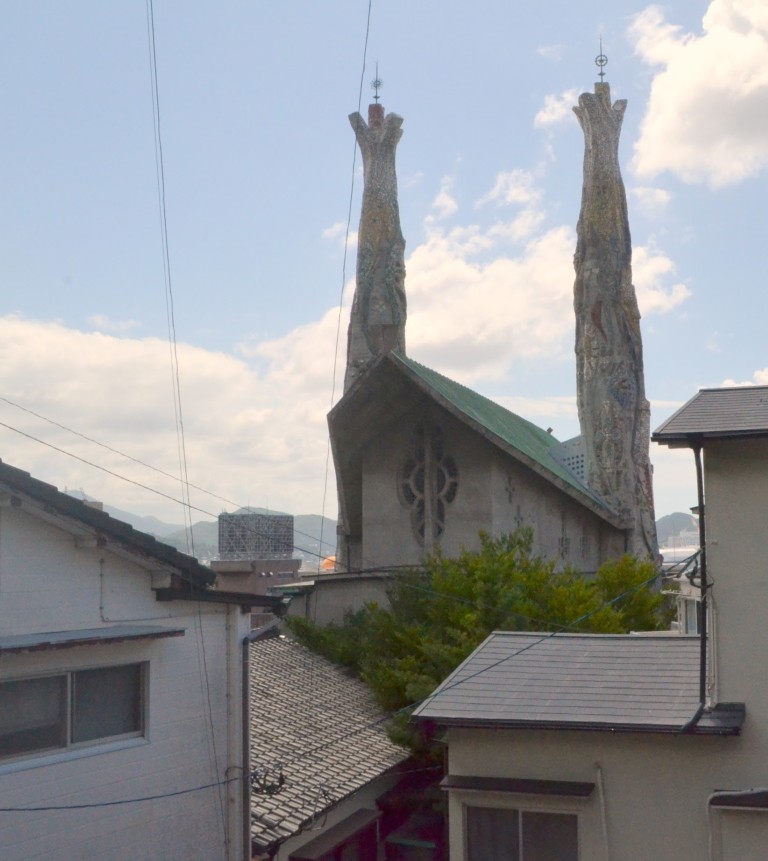
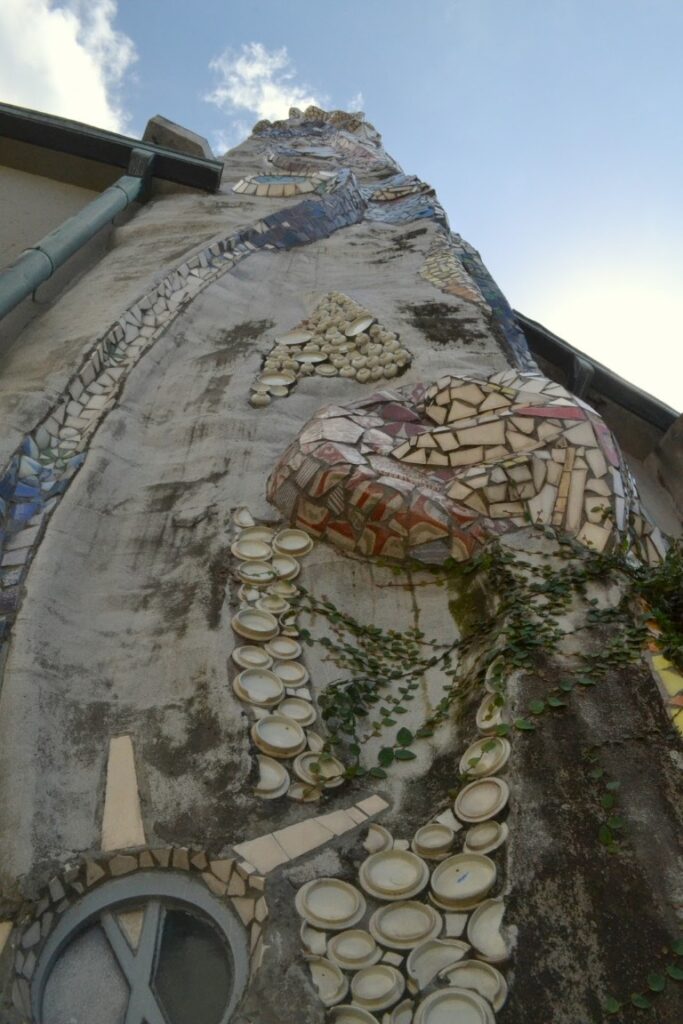
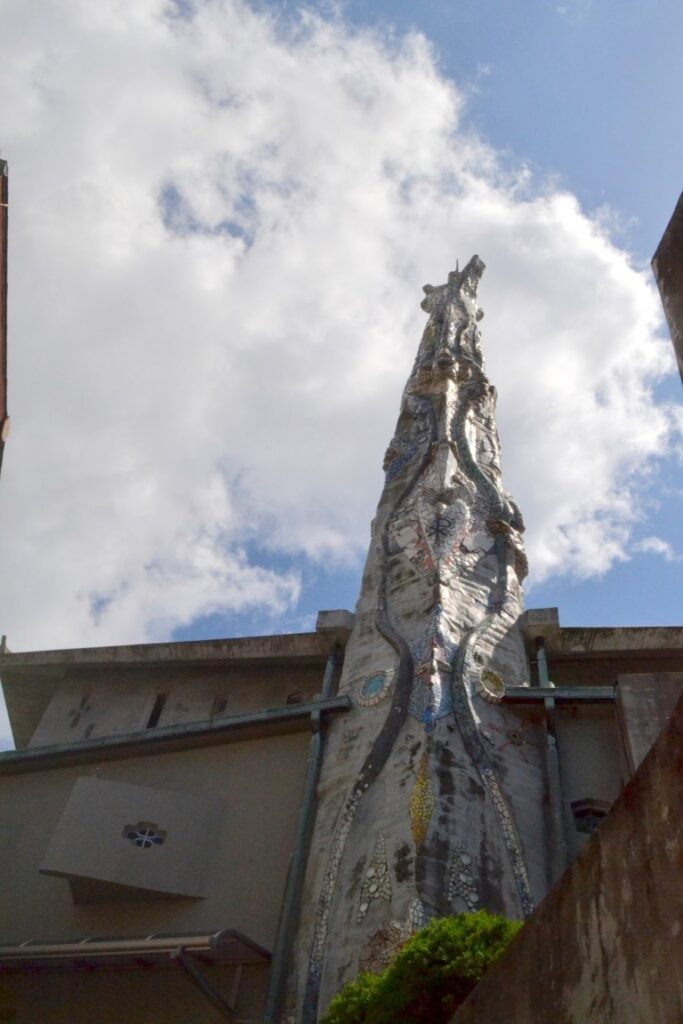
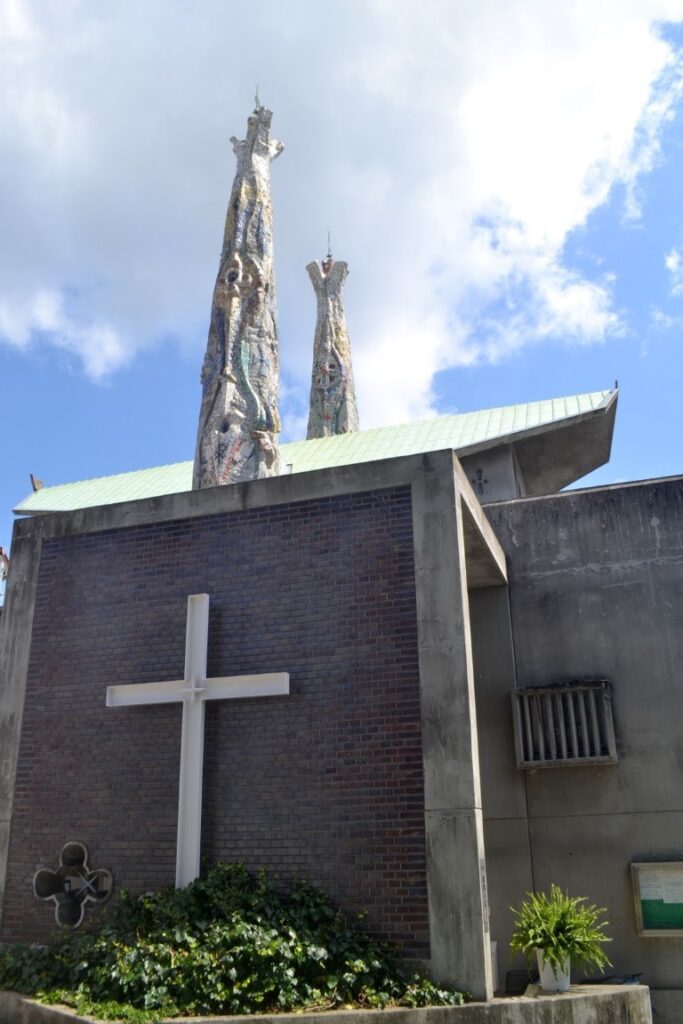
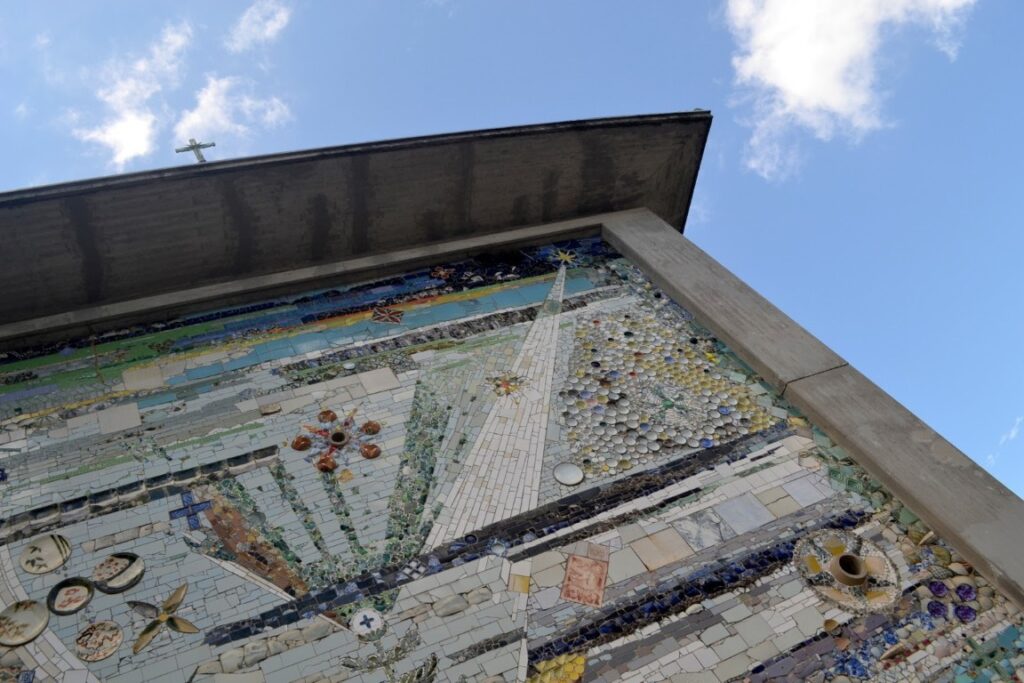
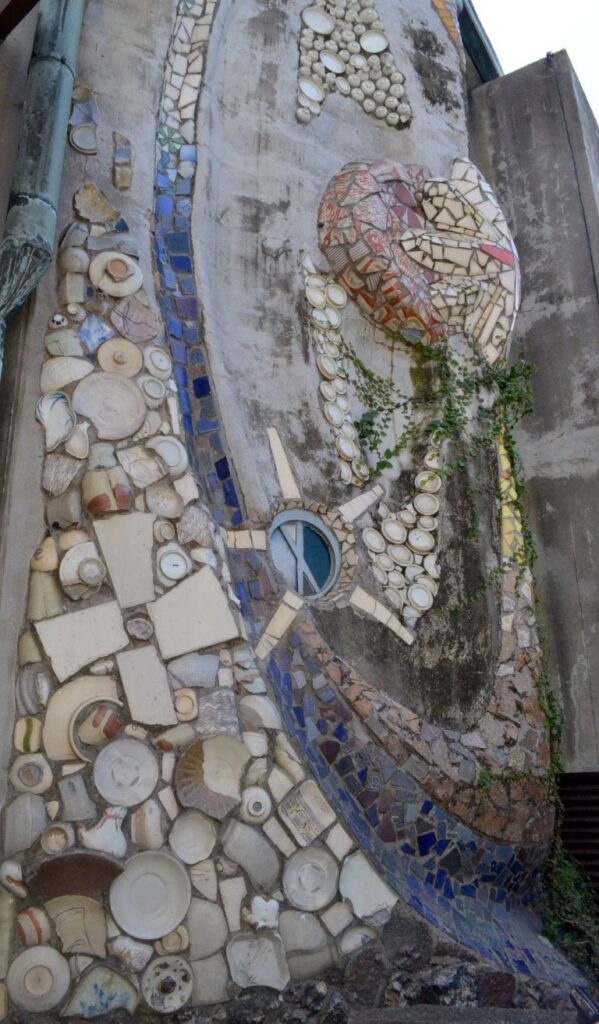
Don’t these two towers look like something familiar? Yes, Antoni Gaudí! I heard that Mr. Imai was the first person to introduce Gaudí to Japan, and his own architecture was heavily influenced by him.
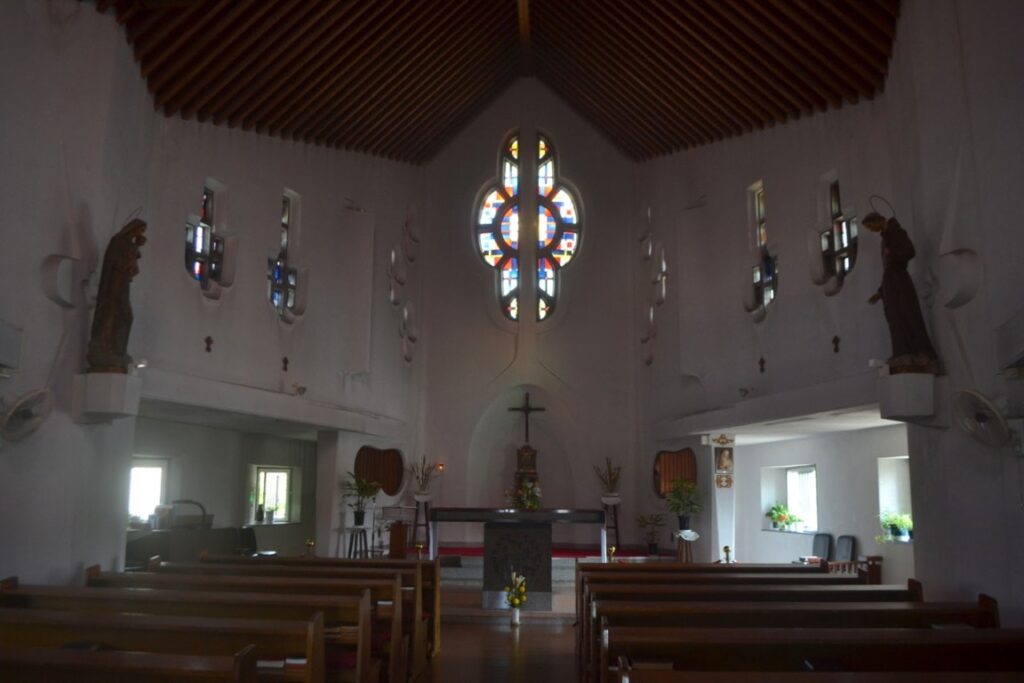
While I was admiring the interior of the church, a female believer (in her 60s) who was there for Catholic worship shared this with me. “We just went to Goto,” I told her. “Where in Goto did you go?” “Fukue Island, Naru Island, Nakadori Island, and Ojika Island.” “Wow, Naru Island? To the Naru Island where Dr. 〇〇 is? That’s amazing!” She was unusually thrilled. Is there some great doctor or teacher on Naru Island? (lol)
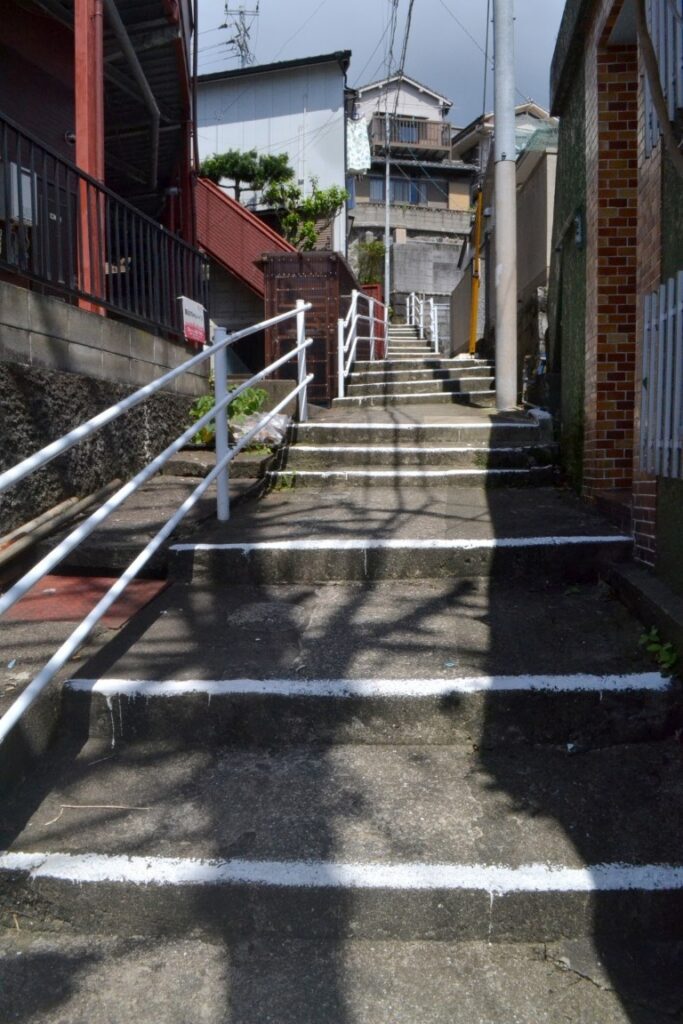
The woman also showed us where the bus stop was. After thanking her, we took a local bus up the hill. I didn’t take a photo, but the bus drivers in Nagasaki might just have the highest level of driving technique in all of Japan. They skillfully navigate zigzagging up the narrow, steep roads. Sometimes they even have to back up and do a multi-point turn.
Another woman in her 60s who happened to be on the same bus told us that because Nagasaki has so many narrow, hilly roads that cars couldn’t get up to the residential areas, each neighborhood association used to keep a horse for carrying cargo. I was half in doubt at the time, thinking, “Really?”, but when I went home and looked it up, it seems they really did exist.
They were “Taishu horses,” a breed from Tsushima Island, and their gentle nature made them well-suited for carrying loads.
For more information about Taishu horses : The official website of Taishu Horse Presevation Assosiation
Now, the place we got off at was “Nyokodo.”
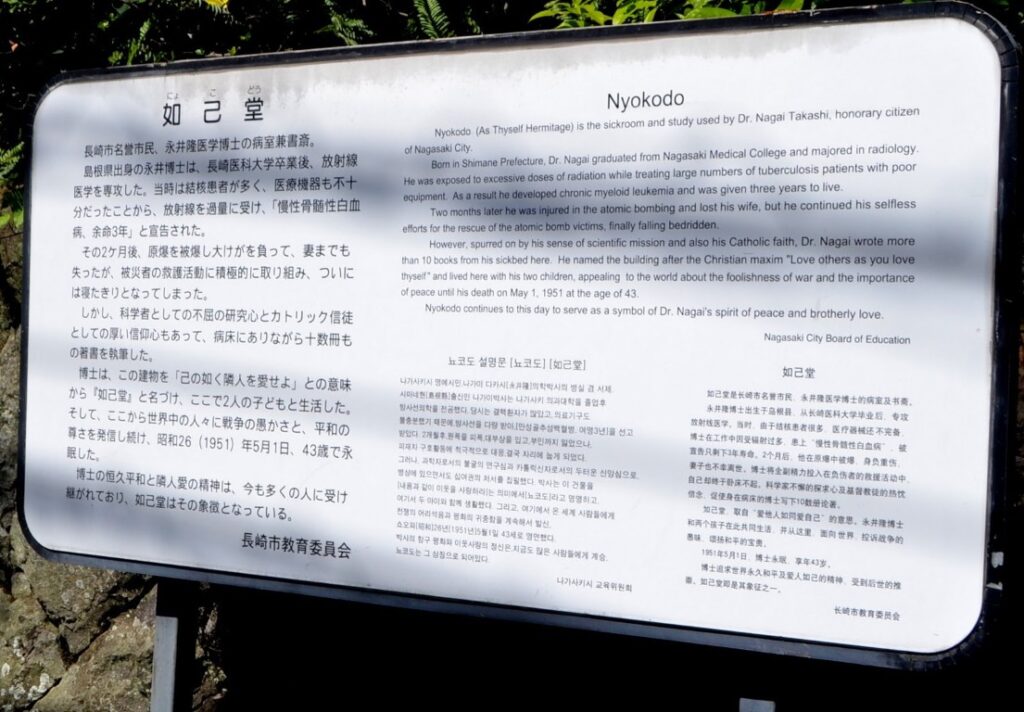
The name means “Love your neighbor as yourself,” and it served as the sickroom and study of Dr. Takashi Nagai. It’s a tiny house built through the goodwill of Catholic believers and others. Dr. Nagai was researching radiology at Nagasaki Medical College, but was exposed to radiation when the US military dropped the atomic bomb on August 9, 1945. He lost his wife and, despite suffering from leukemia himself, dedicated his life to helping other atomic bomb survivors. Before he passed away in 1951 at the age of 42, he left behind many writings, some of which were turned into movies and songs. I heard he even met with Emperor Showa, Helen Keller, and a special envoy of the Pope. I hadn’t known about Dr. Nagai, but looking at the exhibits, I learned that his life is deeply engraved in the hearts of the people of Nagasaki.
For more information on Dr. Nagai, the Nagai Takashi Memorial Museum Nagasaki provides detailed explanations in English. →https://nagaitakashi.nagasakipeace.jp/english/
Next, we walked down the hill to the Peace Park.
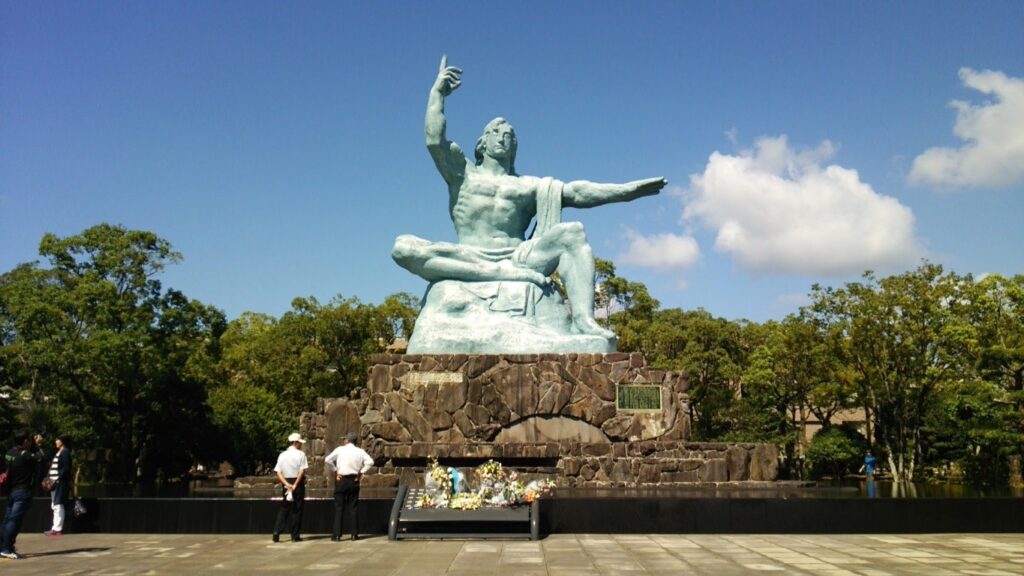
This is where the Nagasaki Peace Memorial Ceremony is held and a moment of silence is observed at 11:03 a.m. on August 9.
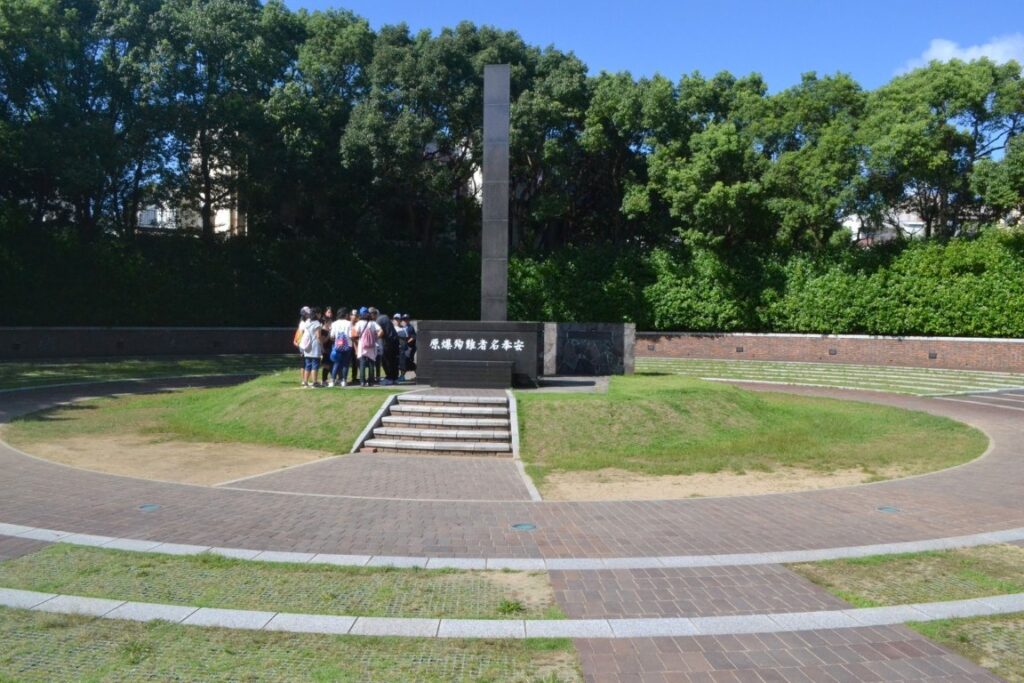
Exiting the large park, the “Atomic Bomb Hypocenter Monument” is right next to it.
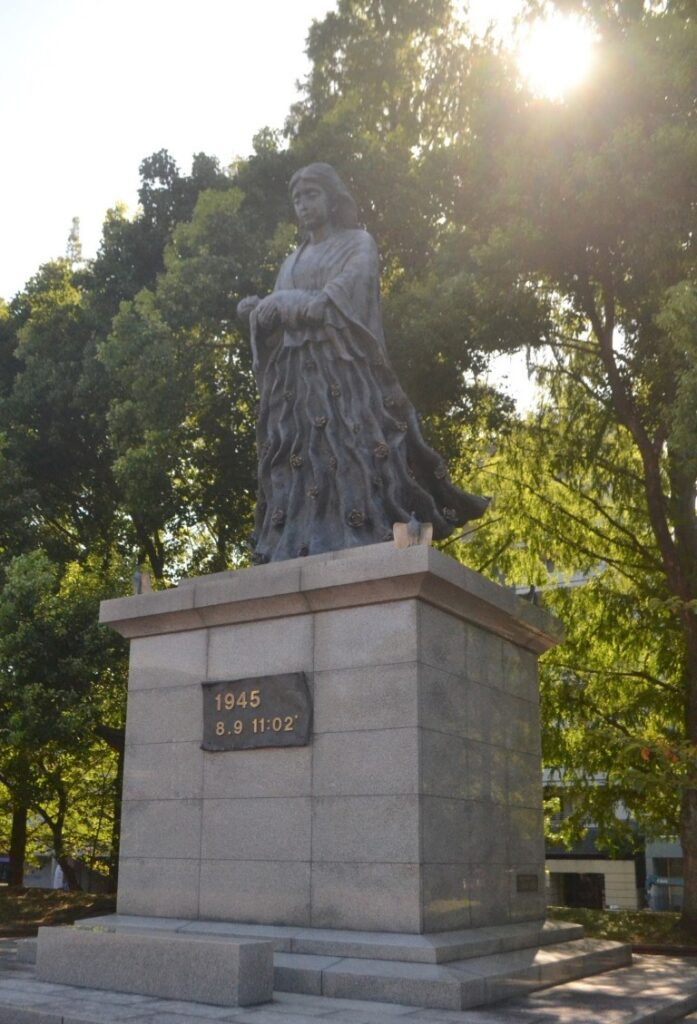
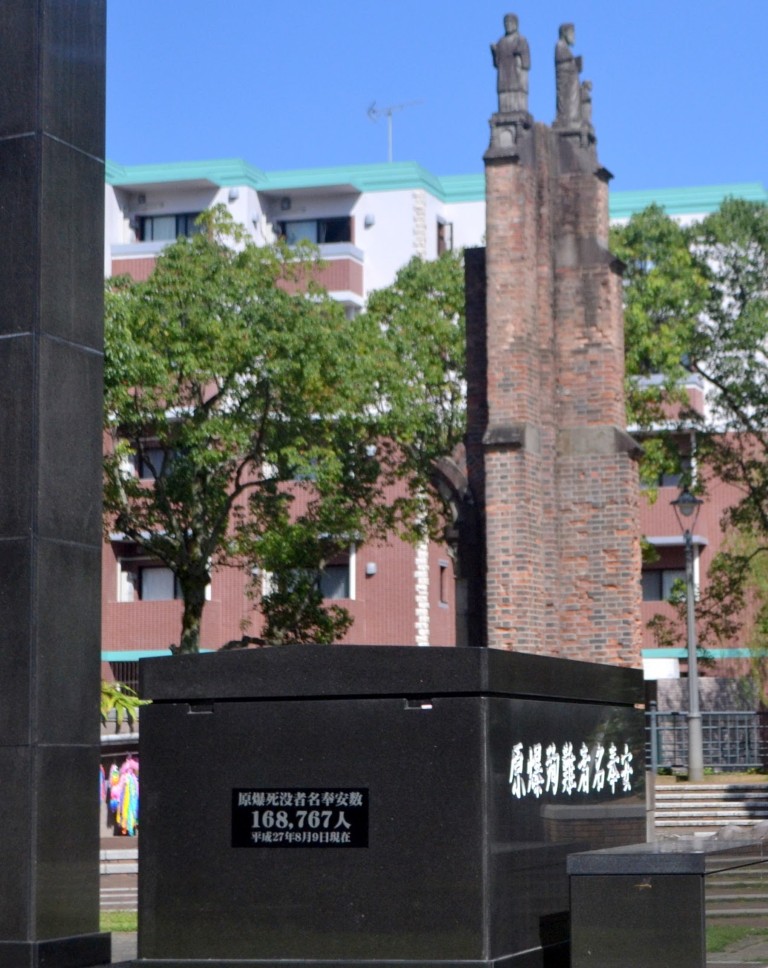
Walking a bit further, we arrived at Urakami Cathedral (Urakami Tenshudo).
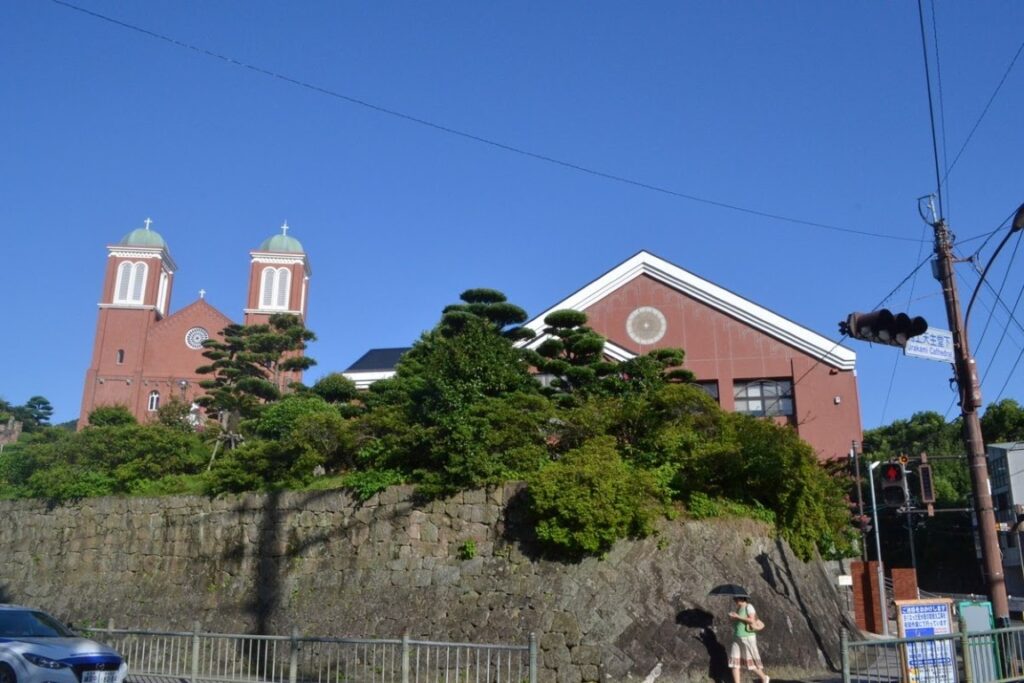
In 1914, after the suppression of Christianity had ended, it grandly opened as the largest brick Romanesque cathedral in the East. However, just 20 years later, it was destroyed by the atomic bomb.
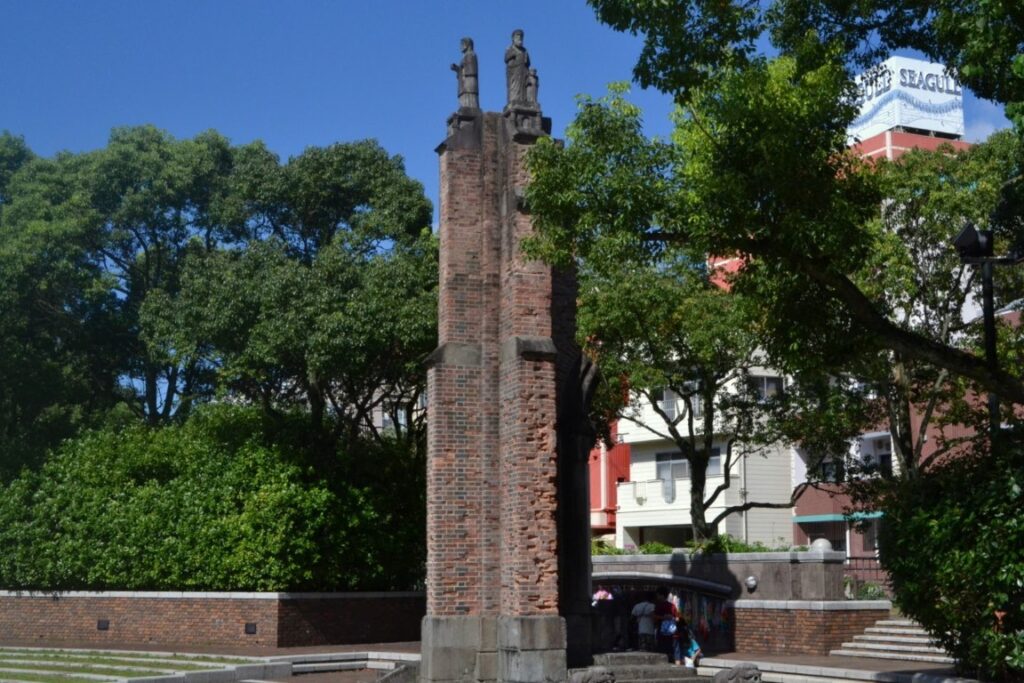
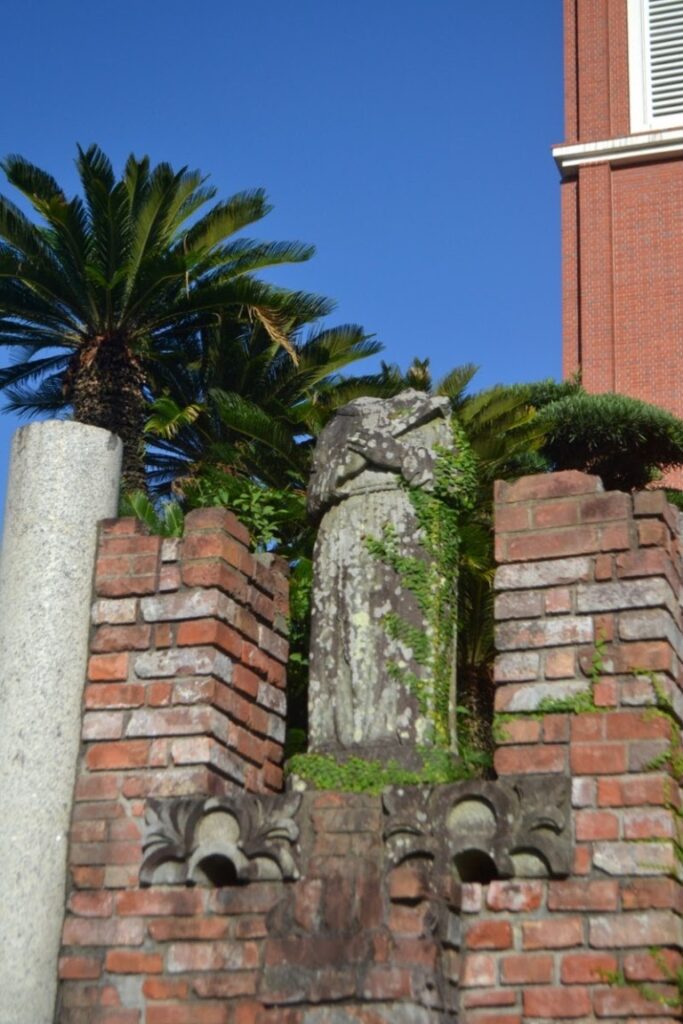
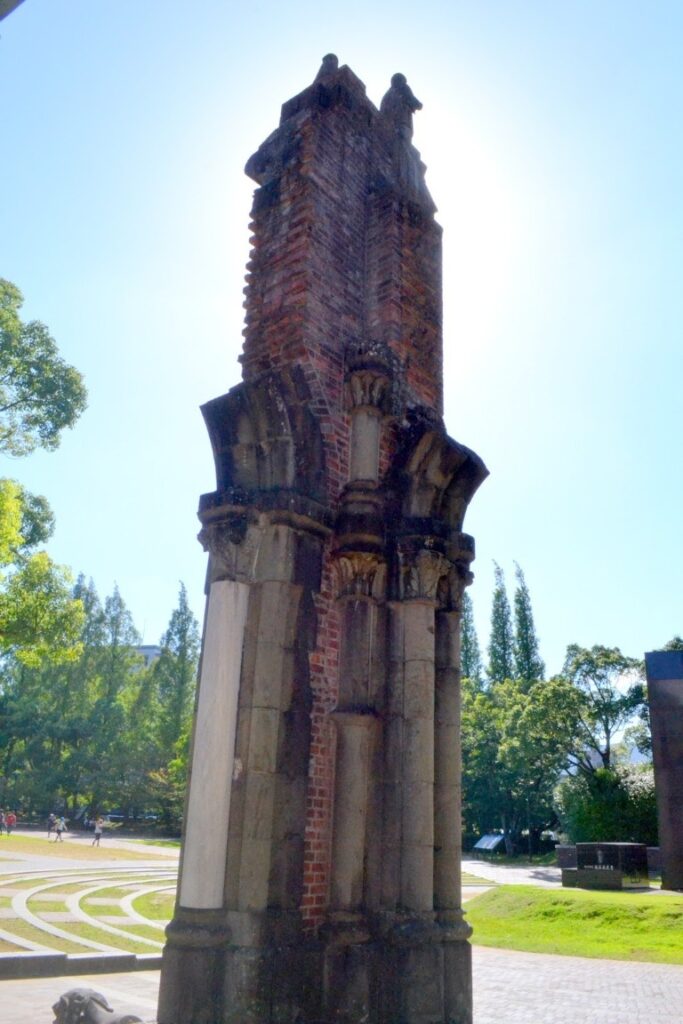
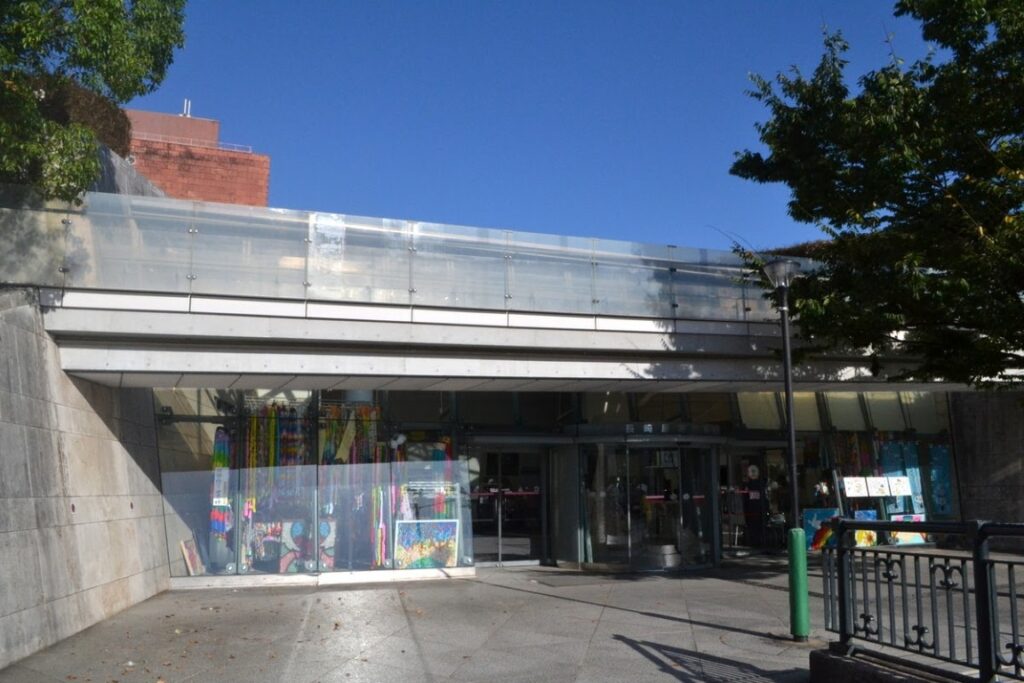
This is the Nagasaki Atomic Bomb Museum. There are exhibits and remnants here that teach about the destructive power of the atomic bomb.
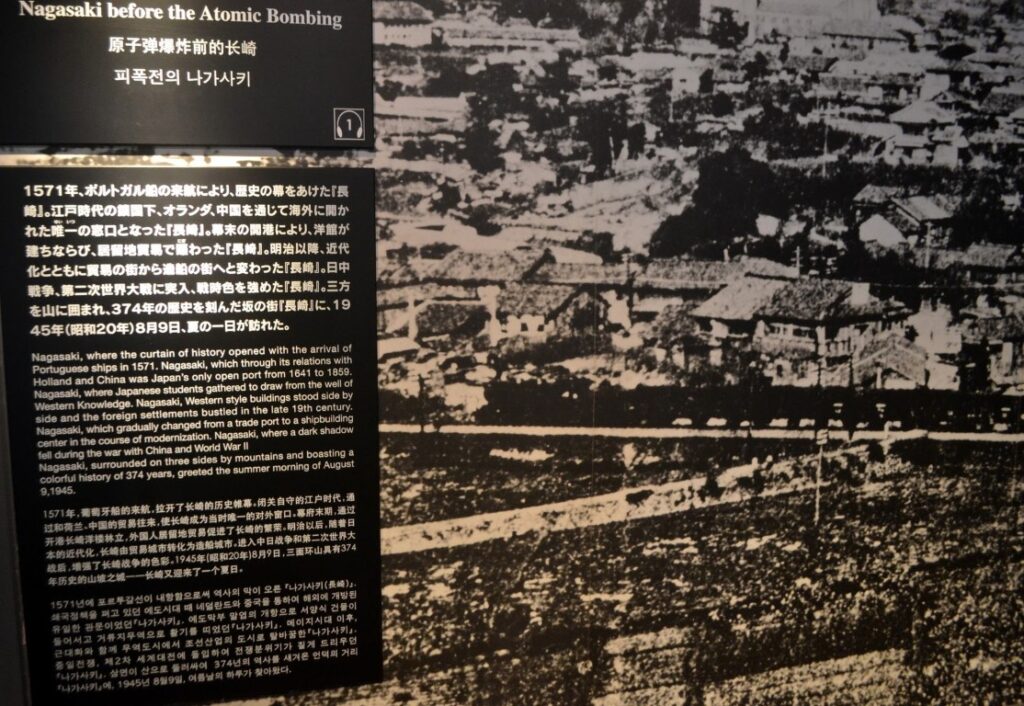
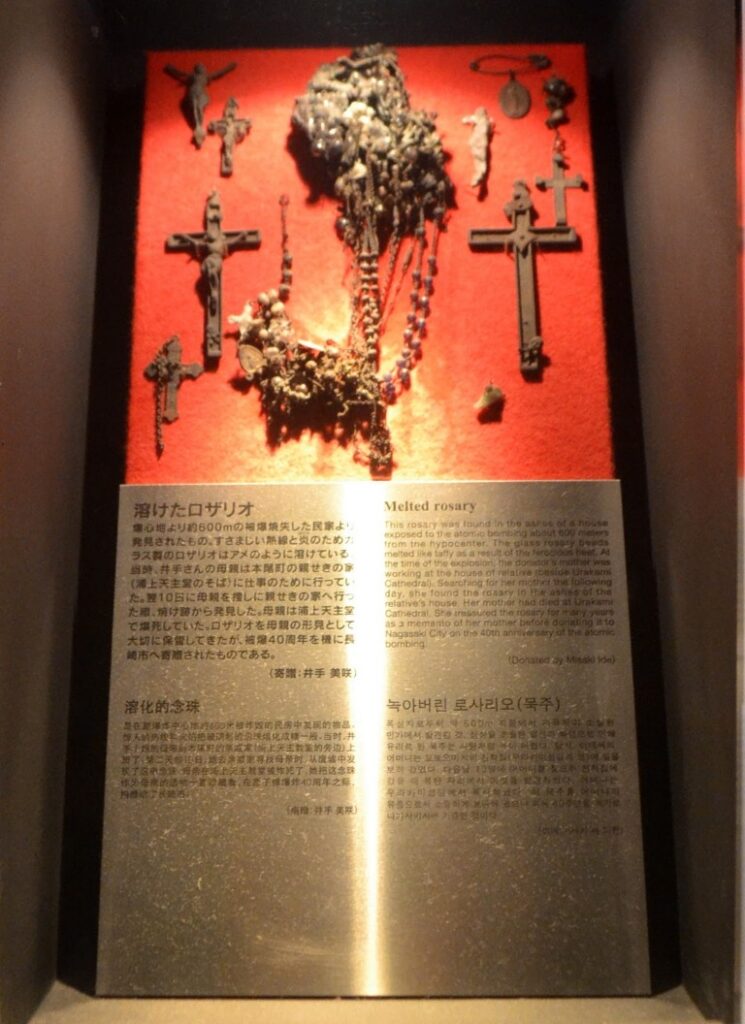
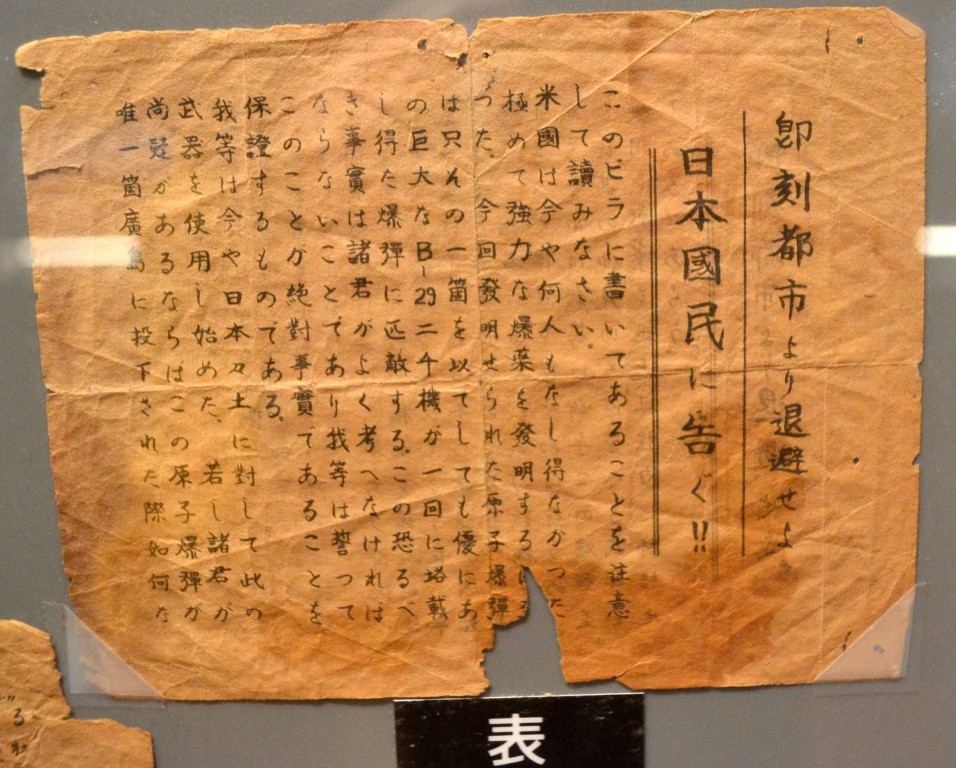
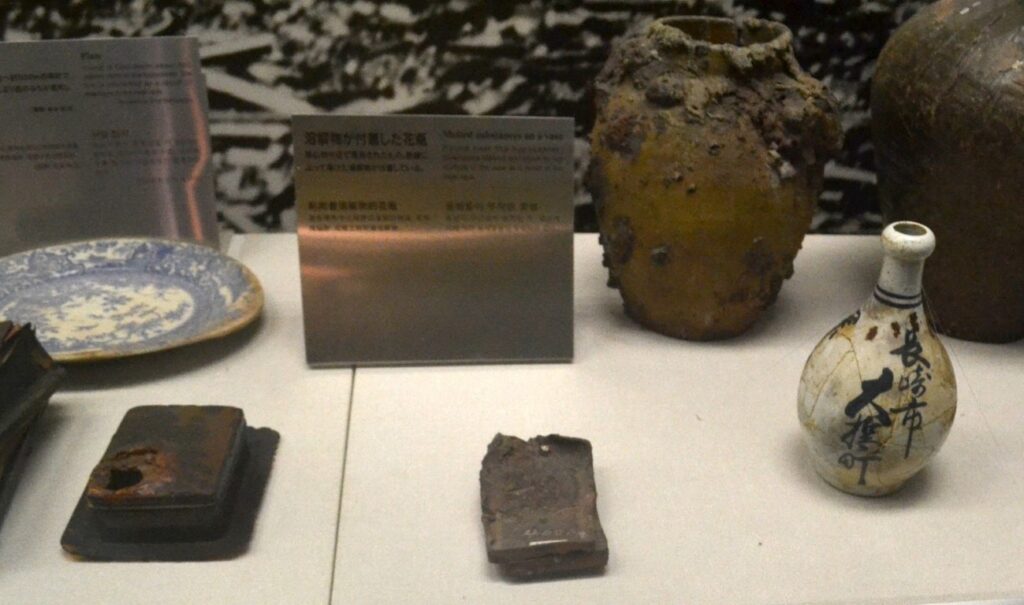
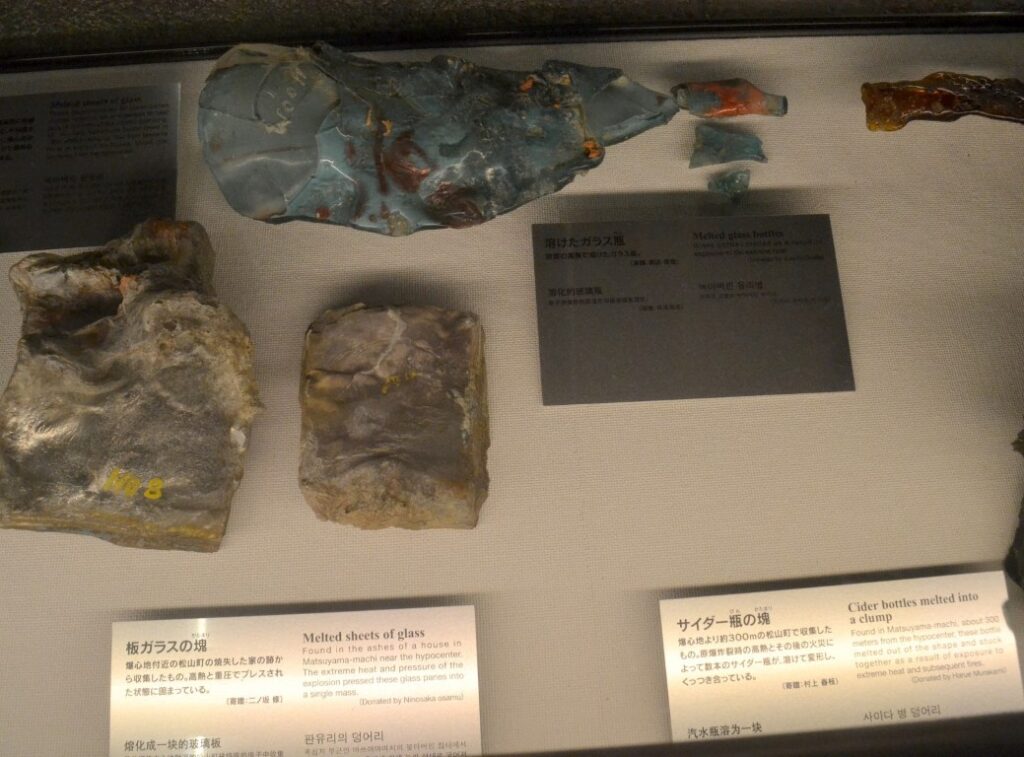
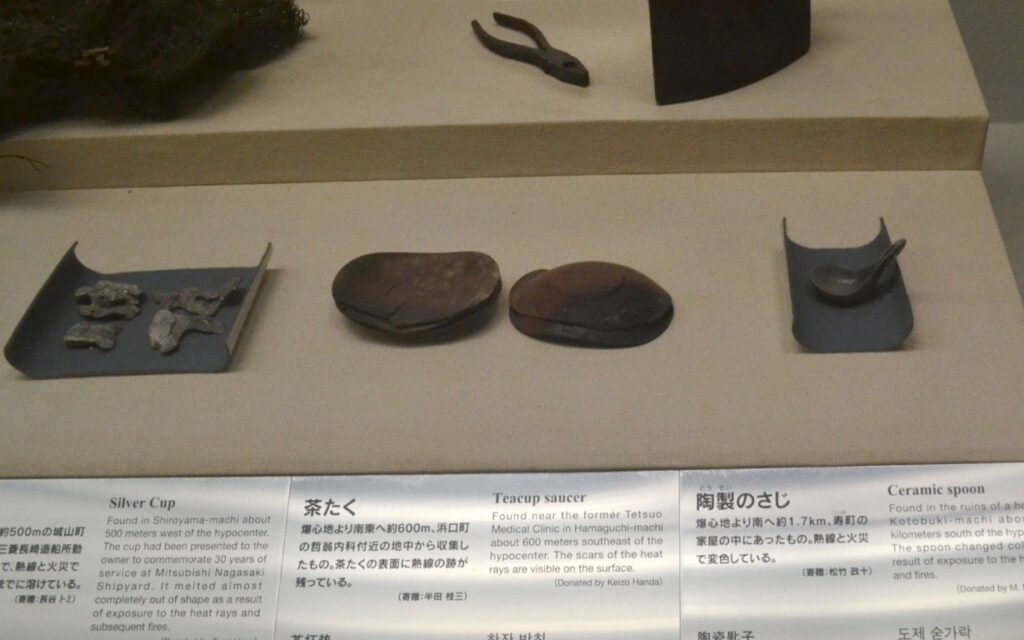
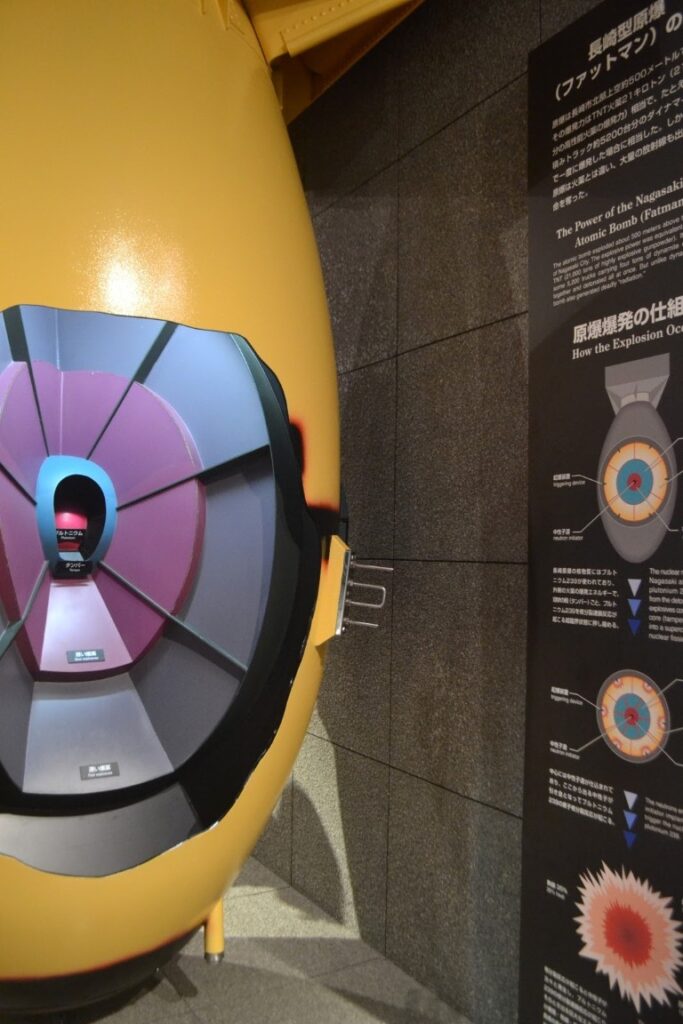
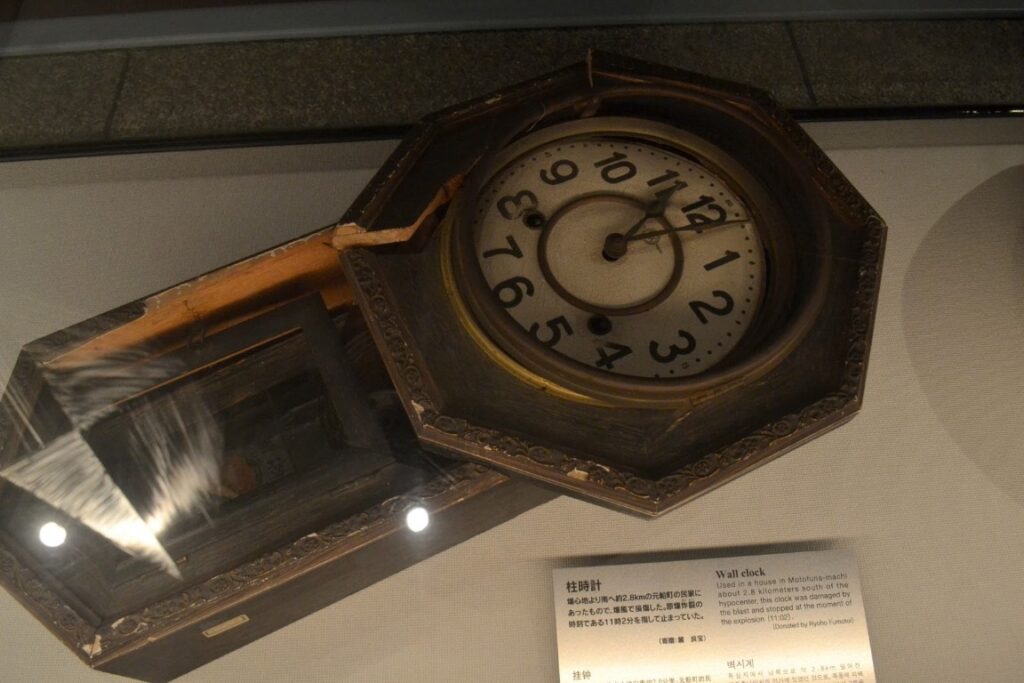
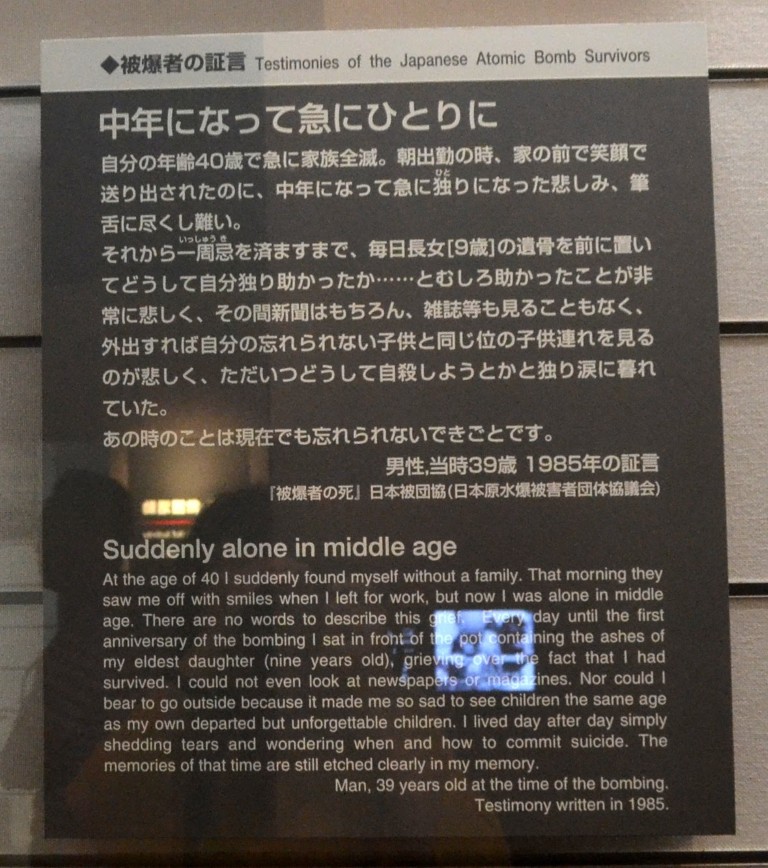
What caught my eye the most was a testimony from 1985 by a man who was 39 at the time, titled “Suddenly alone in middle age.” There’s an English translation right there (sorry some parts are hard to read in the photo), so please give it a read.
The casualties on that day were 73,884 dead and 74,909 injured. The cumulative death toll, including related deaths (such as aftereffects from radiation), registered in Nagasaki City’s roster of atomic bomb victims is 201,942 (as of April 2026). That many lives were ended, or completely altered, by a single bomb.
Although humans continue to produce nuclear weapons and remain capable of launching them at any time, these ruins serve as a reminder of the warning from our predecessors: we must never launch them again. If you visit Nagasaki, please be sure to stop by this museum.
So, it’s not the brightest way to end a trip, but Nagasaki is a city of “champon” in many different senses. If you have the chance, please visit, and definitely try to include a trip across to the Goto Islands in your plans. Let’s deeply appreciate the peace and happiness that allows us to travel. (The End)
*Record of September 2015.
- Nagasaki Trip Days 1: A Journey of Prayers: Tracing Hidden Christians, Peace, and Local Food in Nagasaki
- Nagasaki Trip Days 2: The Goto Islands – Naru Island and Fukue Island
- Nagasaki Trip Days 3 & 4: Tracing the Roots of Printing on Ojika Island!
- Nagasaki Trip Day 5: Just One Day in Saga Prefecture. Strolling Through the Town of Arita Ware
- ▶Nagasaki Trip Day 6: The Last Day of the trip. Holding August 9, 1945, in my heart