Days 3:
Now, it’s the third day of our Goto Islands trip. Today, we head straight north from Fukue Island, the southernmost of the island chain, to Nakadori Island.
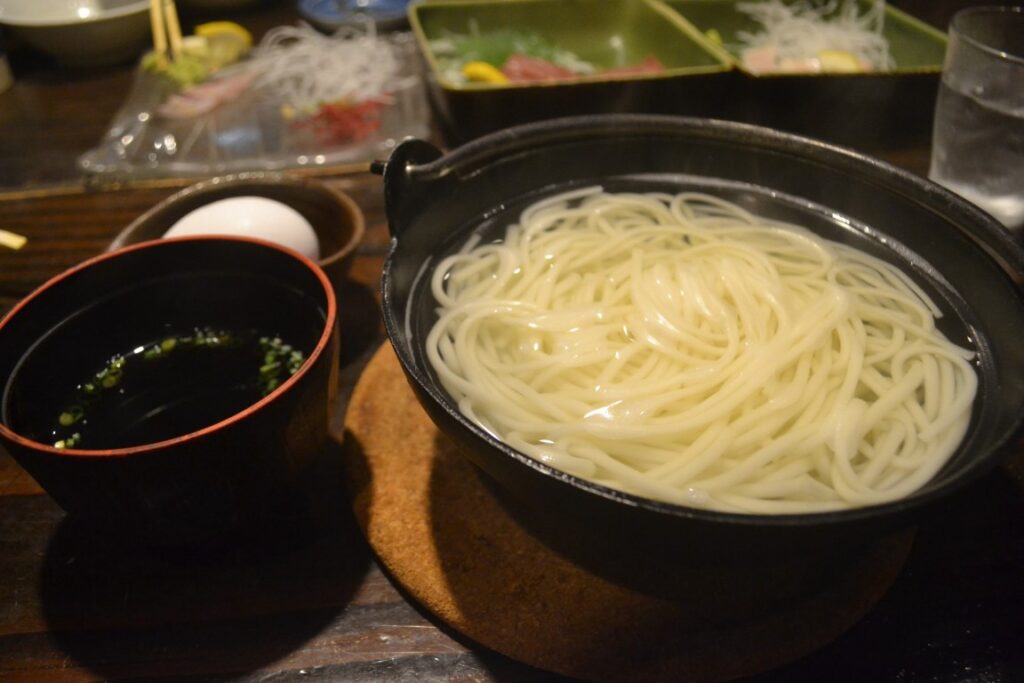
On Nakadori Island, we had “Goto Udon” at a diner attached to a ryokan (traditional inn). Goto Udon is a specialty of the Goto Islands here in Nagasaki Prefecture and is considered one of Japan’s top three udon noodles. It features round, thin noodles kneaded with camellia oil. The firm texture and smooth swallowability are simply irresistible.
Our itinerary for this day was mostly just traveling. Nakadori Island also has many fascinating churches. I wanted to stay a little longer, but maybe next time.
For more Information: sinkamigoto.com
There’s Nothing Here, and That’s What Makes It Great. Touching the Depths of Letterpress Culture on Ojika Island
Day 4. We took a boat further north to Ojika Island.
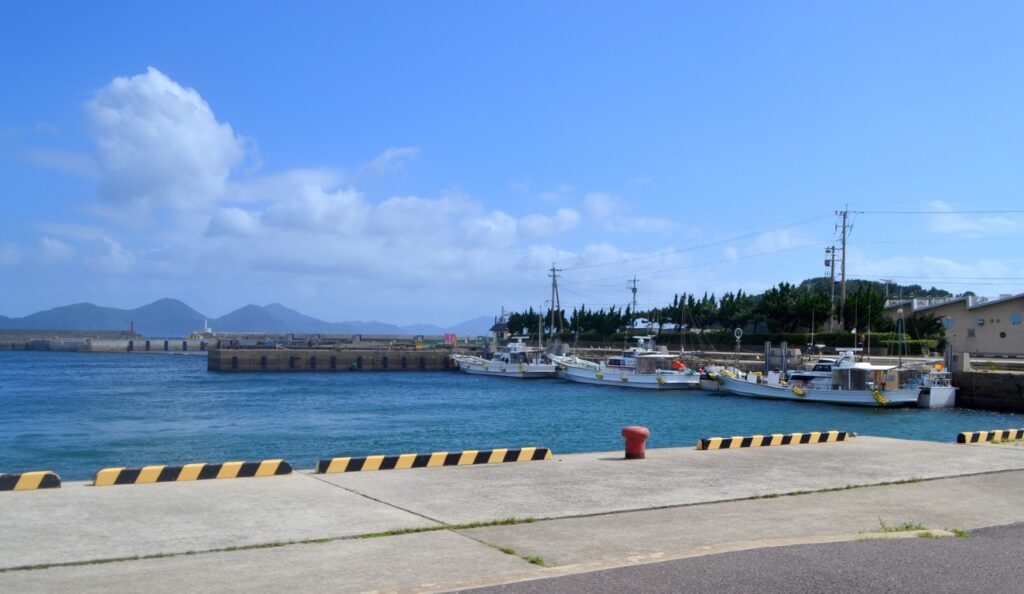
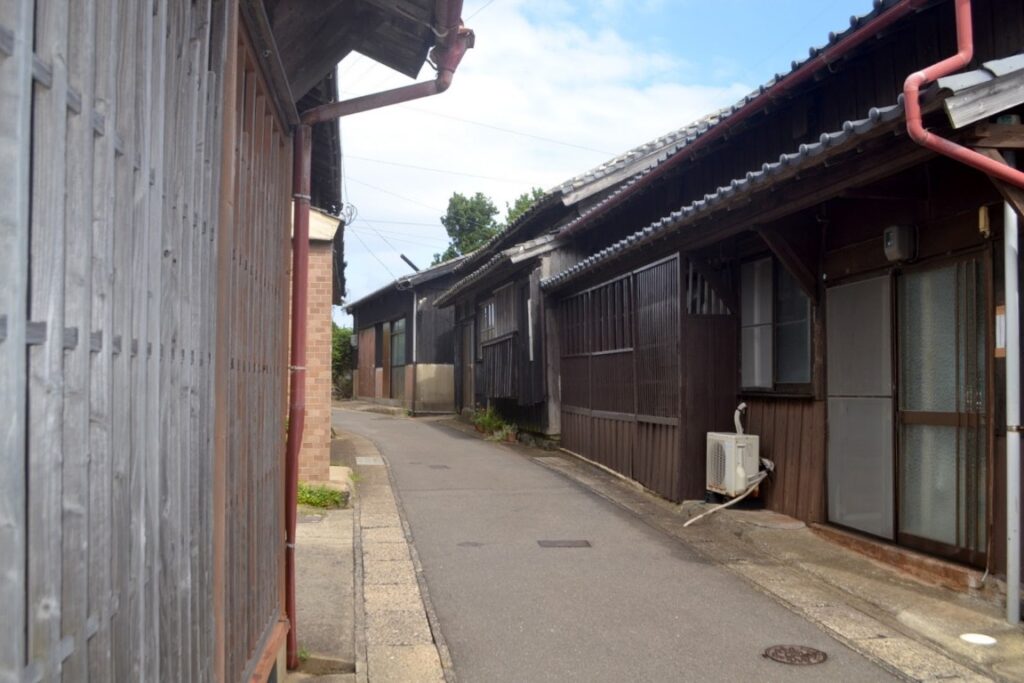
Ojika Island is a small island with a population of about 2,200. It has apparently been selected as one of the “Most Beautiful Villages in Japan” because it retains the nostalgic, original landscapes of Japan.
For more information: OJIKA ISLAND TOURISM
First, time to eat. What we ordered at a small diner in an old traditional house was, of course, nothing other than Goto Udon!
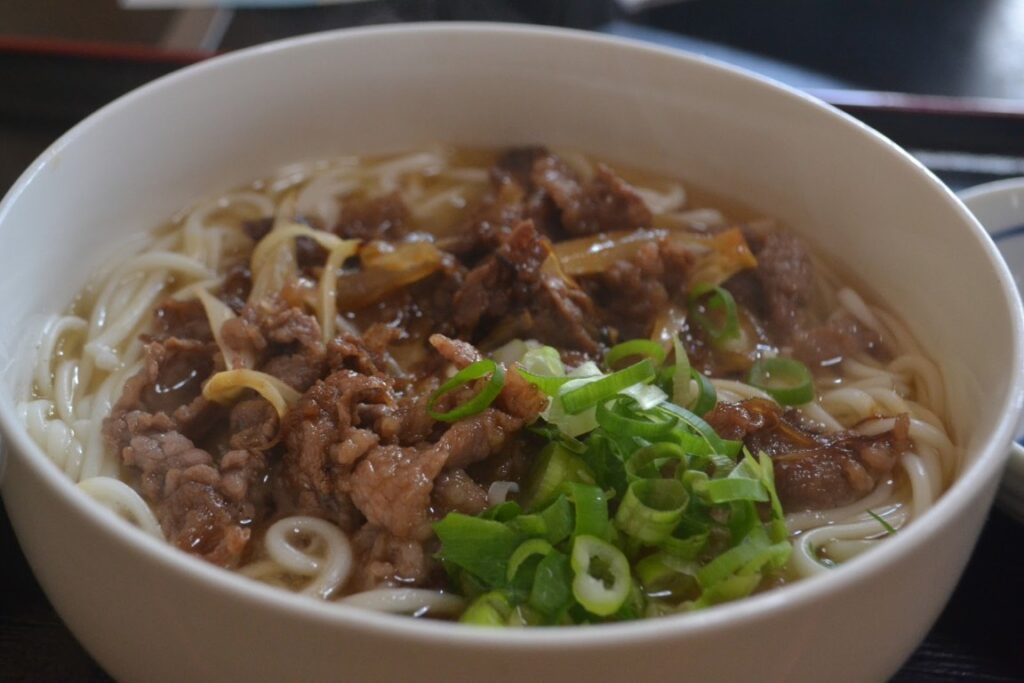
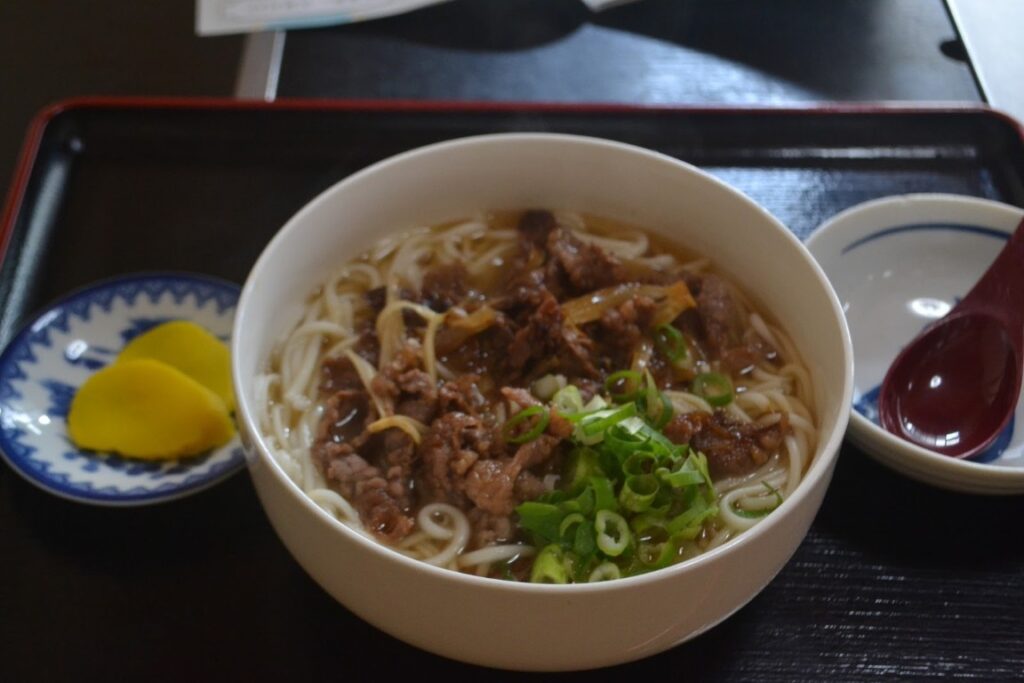
We enjoyed our Goto Udon (topped with beef) brought to us by a child on summer vacation. So smooth! So delicious!
The soup stock (dashi) used in Nagasaki Prefecture is “ago-dashi.” “Ago” means flying fish. While the mainstream in Tokyo and the Kanto region is to make dashi from bonito flakes, here they use flying fish. Eating the smooth Goto Udon with this clear yet umami-packed flying fish broth is absolutely divine.
Now, my friend and I had a reason for heading to Ojika Island. Both of us work in editing. There is a letterpress printing shop on this island that has been in business for 100 years. I heard that Japan’s letterpress printing started with a company in Nagasaki that adopted Dutch letterpress technology, and that history still lives on here.
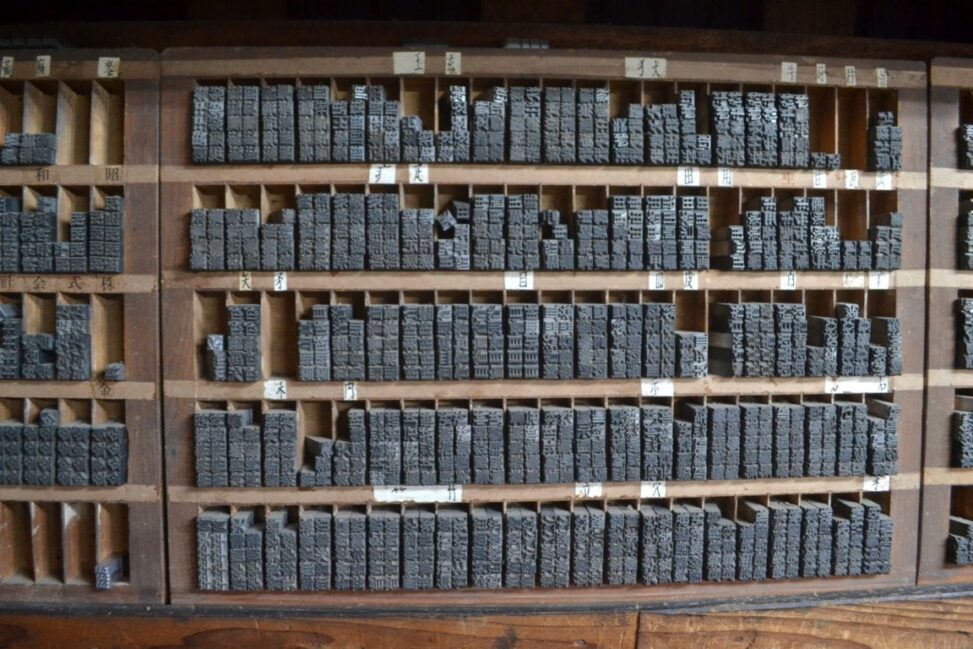
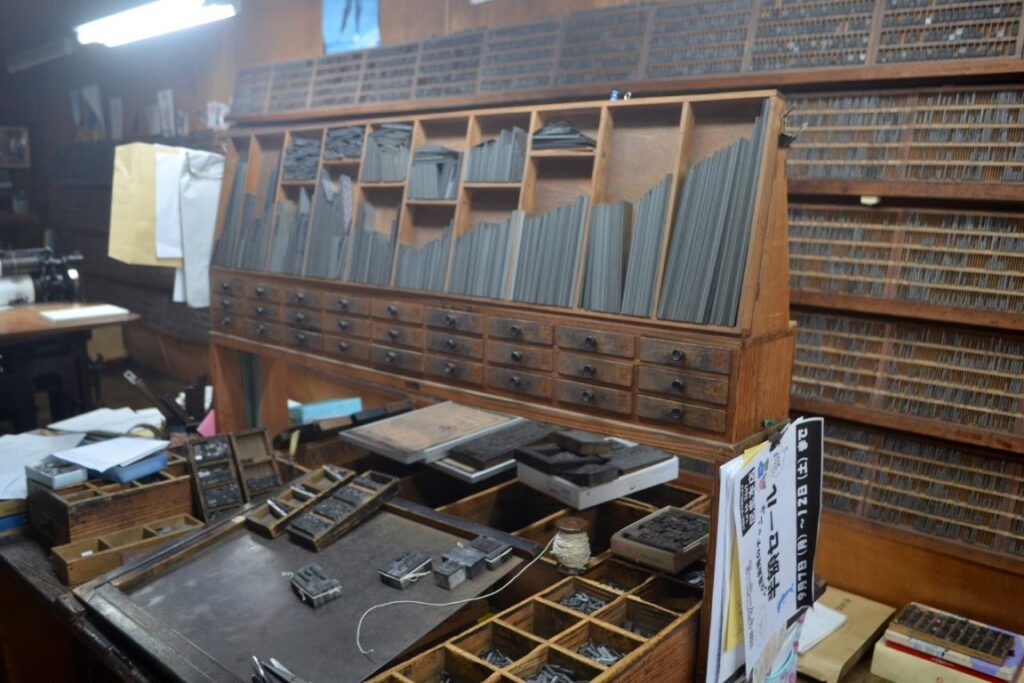
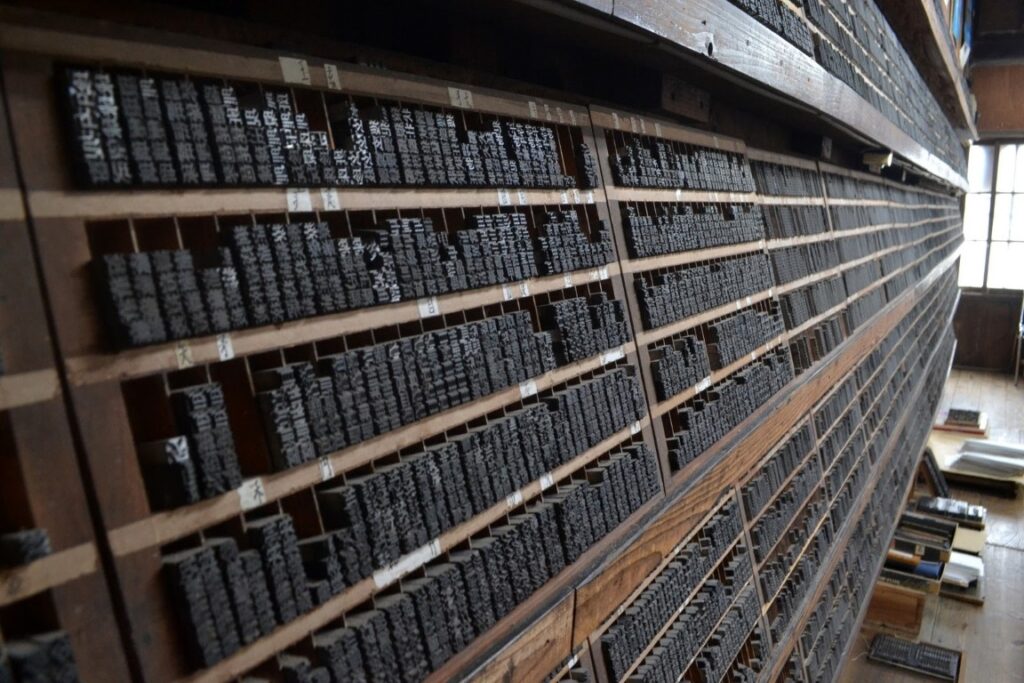
We made a reservation in advance and were given a tour of the print shop. Just look at this overwhelming collection of typefaces!
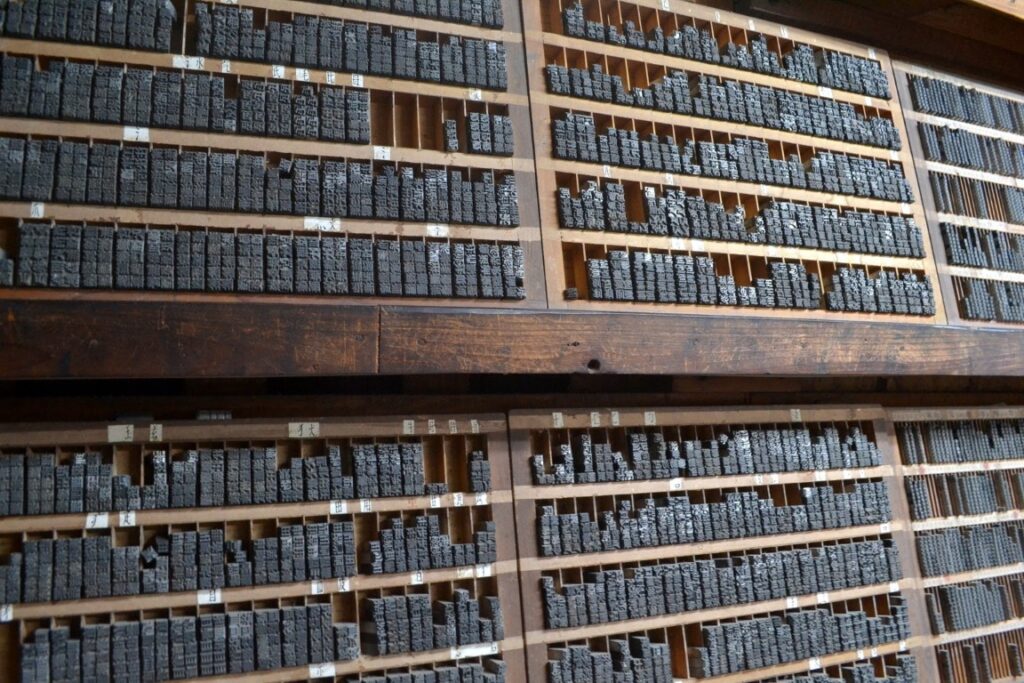
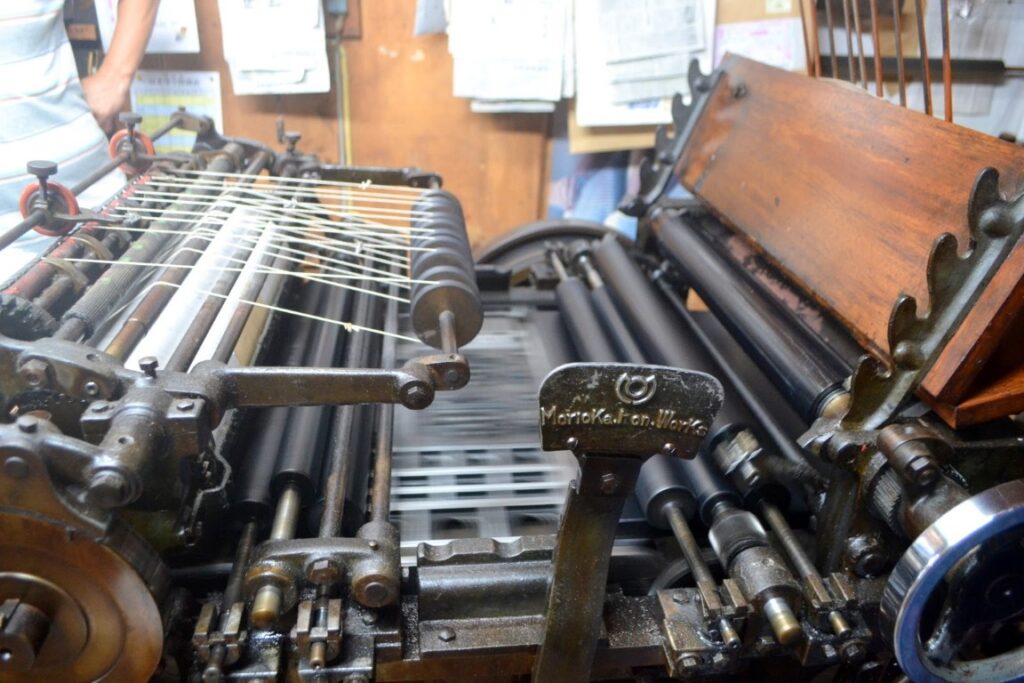
They select each character one by one from these shelves, typeset them, and print them using a German-made printing press.
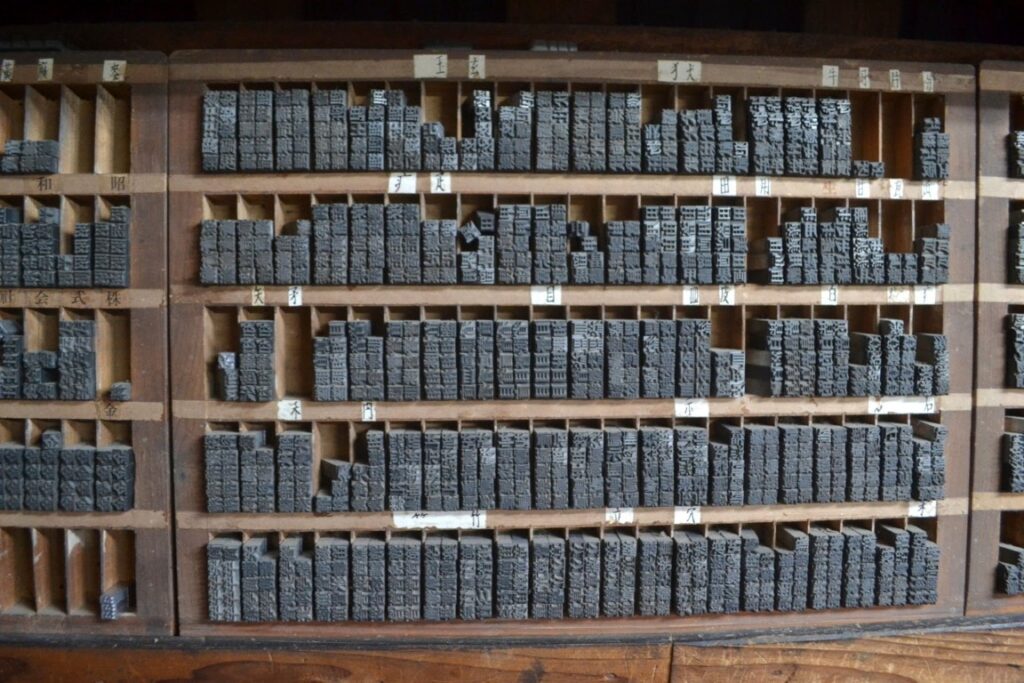
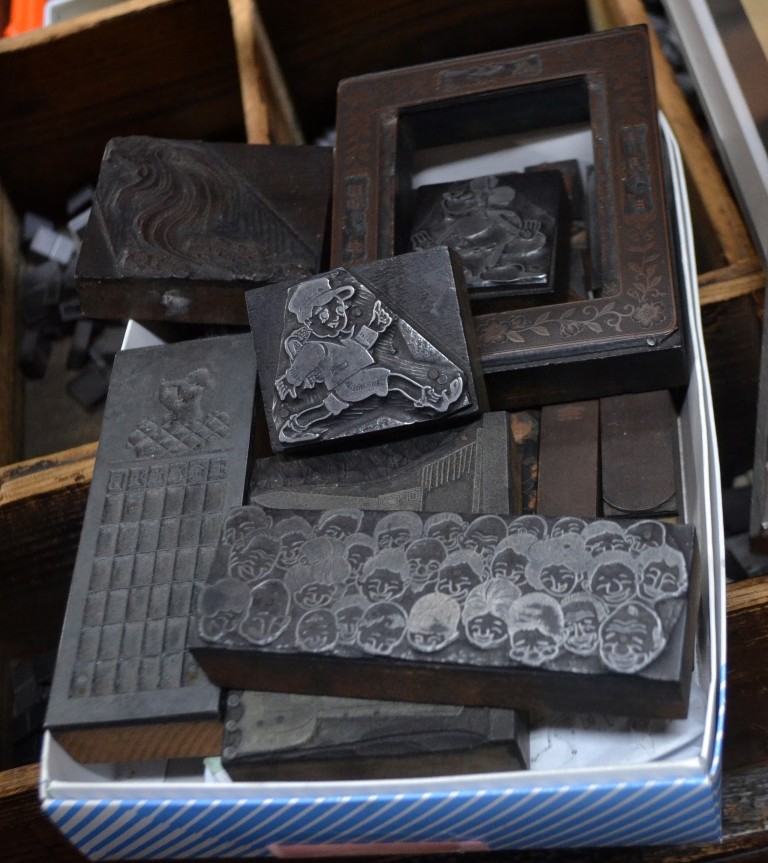
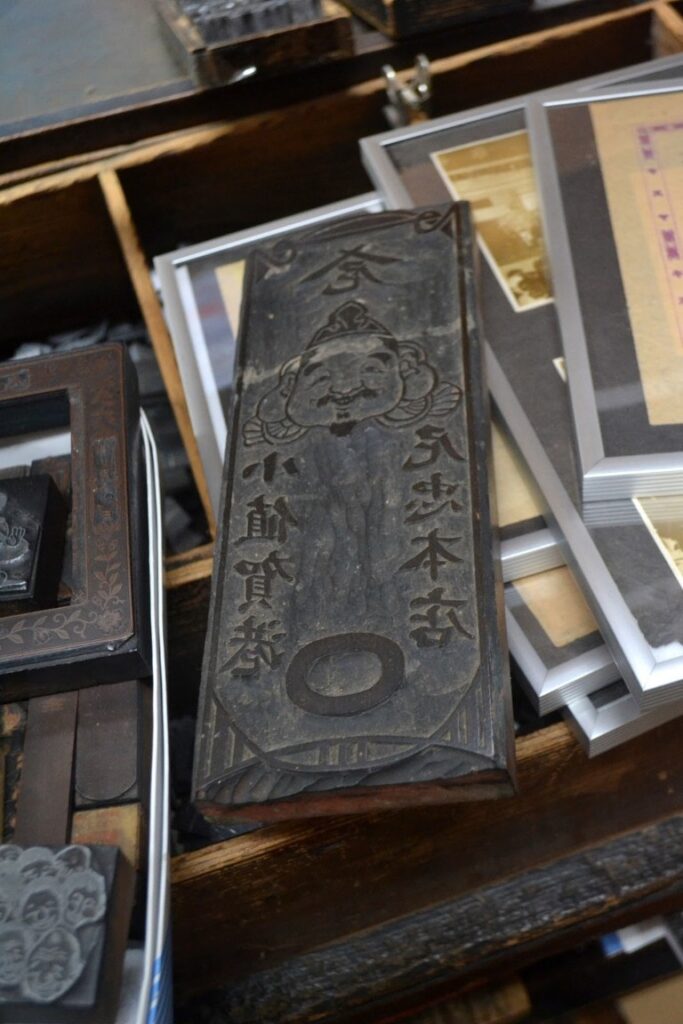
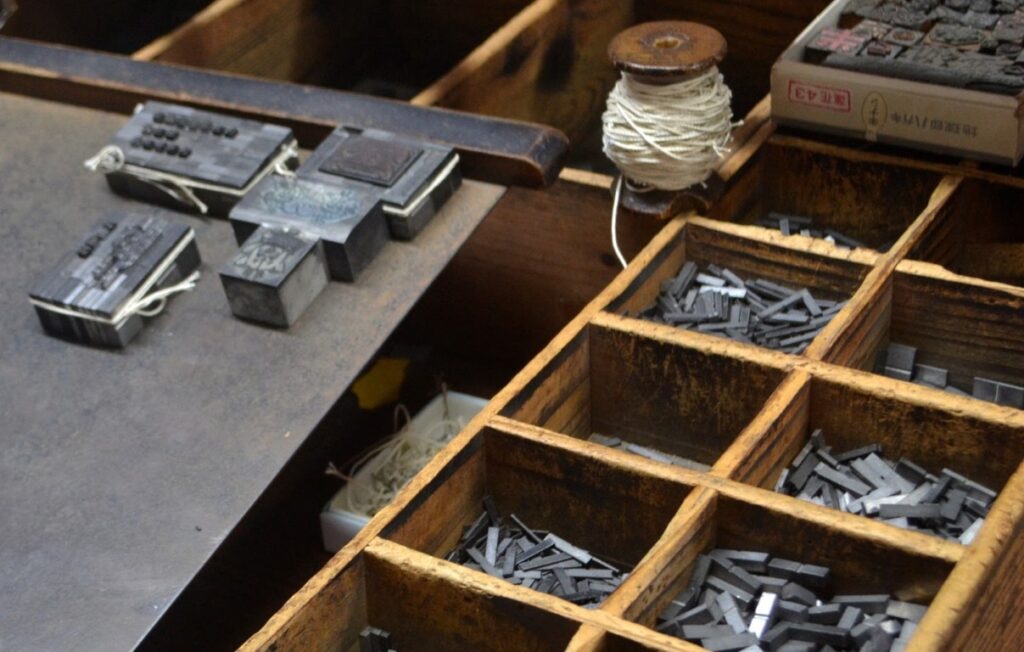
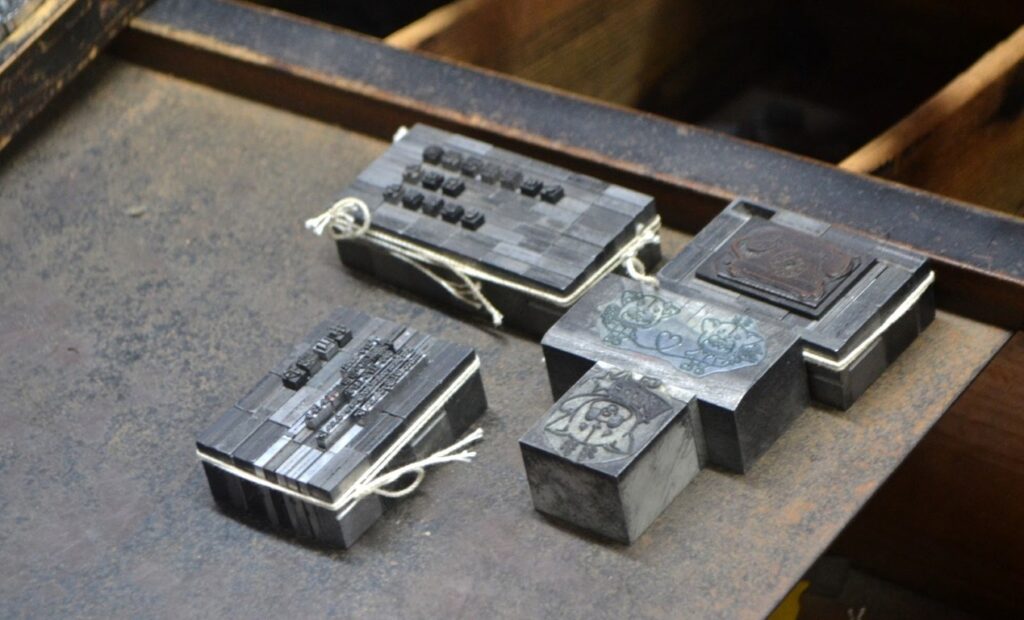
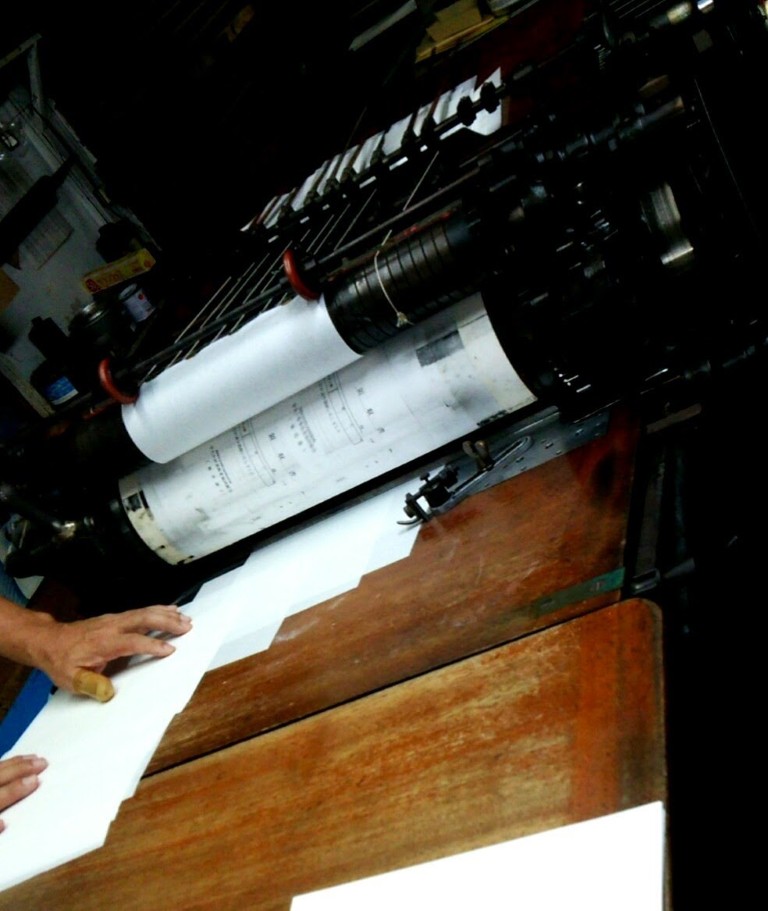
Due to the pressure applied by the press, letterpress printing creates a unique textured impression. We were shown boat tickets, flyers, stationery, and business cards produced at this shop, and the unique tactile feel and indentations were truly wonderful. They apparently even get orders for business cards from celebrities.
My late grandfather also moved from the countryside to Tokyo when he was young and started a small print shop. The printing method he adopted was “gravure printing,” an intaglio process. Opposite to letterpress (relief printing) where ink is applied to the raised parts, ink is applied to the recessed parts.
Now that offset printing is mainstream, time-consuming letterpress printing like this has disappeared. Of course, the same goes for my grandfather’s company, which specialized in gravure printing. My grandfather, too, was a samurai who had laid down his sword as the times changed.
As people stop reading books and rising costs make printing itself a risky business, there is a constant stream of gloomy news in the publishing industry, where our job is to “create paper publications and put them out into the world.”
However, looking at these characters—chosen one by one by human hands, set in type, and printed by human hands—I felt something akin to the overwhelming root of the “human will to convey information through letters,” something totally absent in the flood of smooth digital text on our smartphones. I can’t help but envy that not-so-distant past era when everyone eagerly desired to get their hands on books, passed them around, praised (or criticized) the authors, and debated their contents.
We are no longer able to thirst with all our might for the unknown worlds we want to know about. Even though the unknown world is actually expanding infinitely. Because there is too much information, we can’t move forward without sorting it and judging its authenticity; feeling that this is a hassle, we end up closing both our books and our smartphones. Our evenings after work are frantically consumed by digital content as we try to get our money’s worth out of annual subscriptions for English conversation or yoga apps, or monthly Netflix fees.
Just as overeating makes us unhealthy, maybe we need to go on an “information diet,” too.
Thinking about such things, we thanked the kind people at the print shop, took our leave, and decided to explore the island by bicycle.
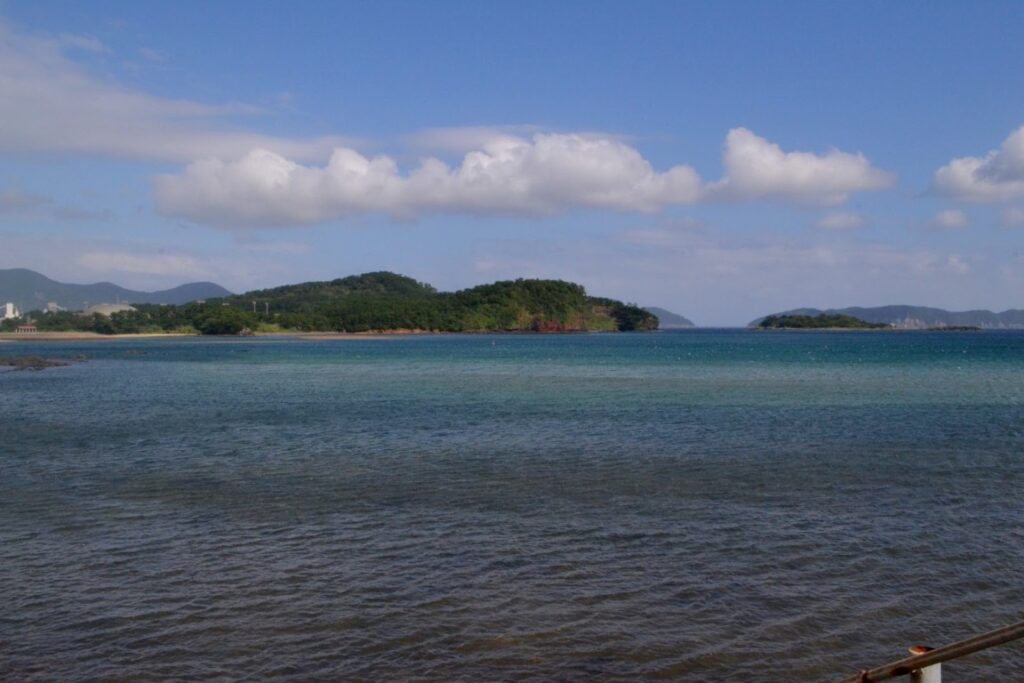
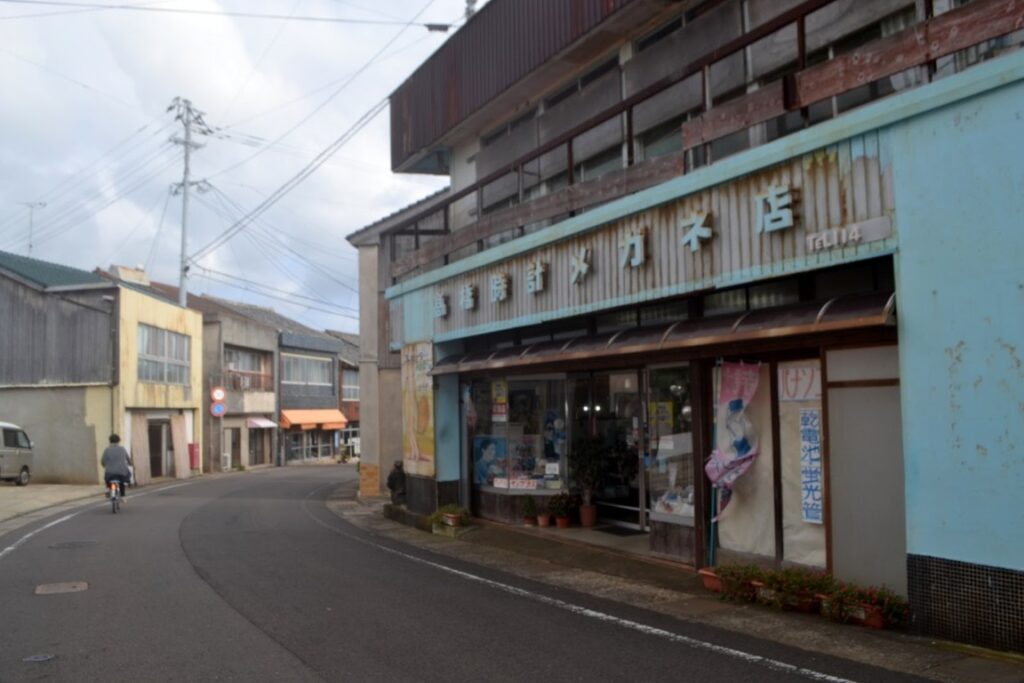
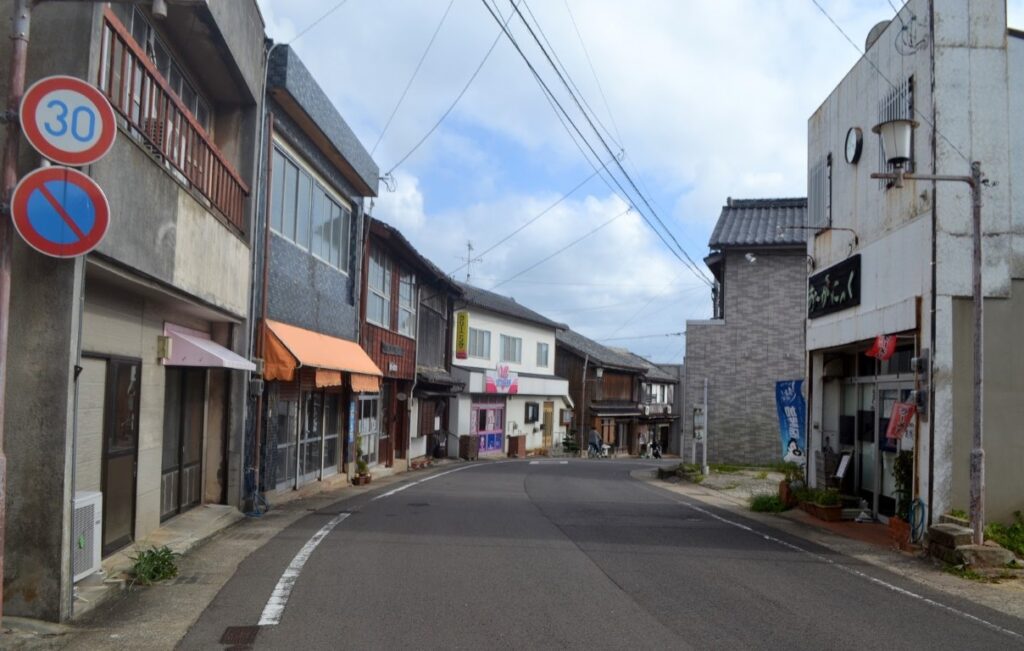
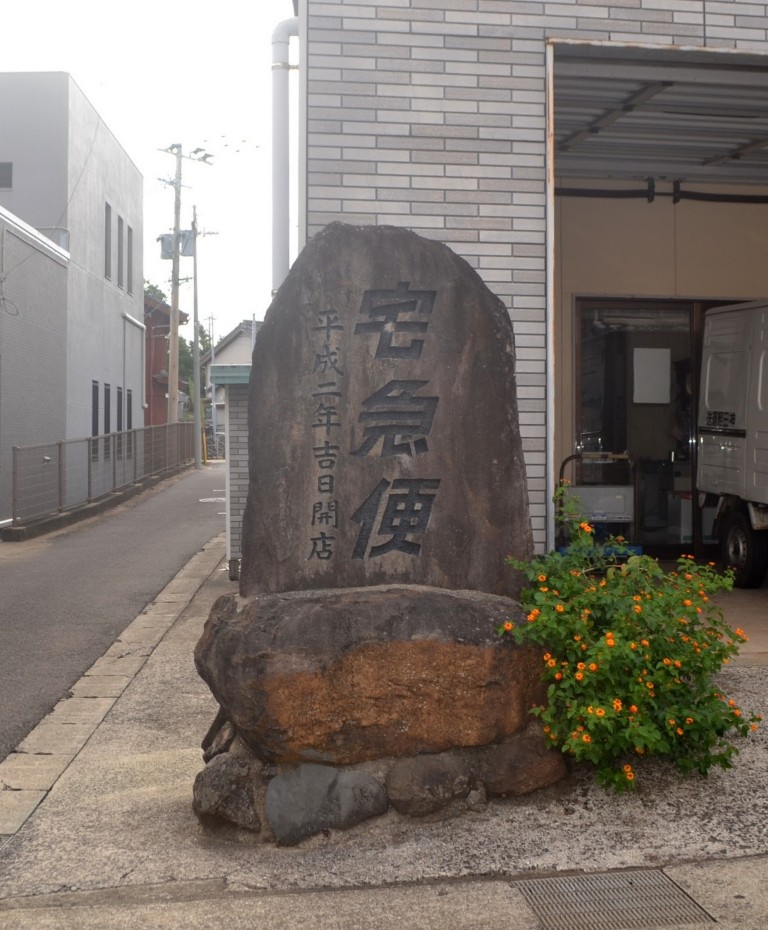
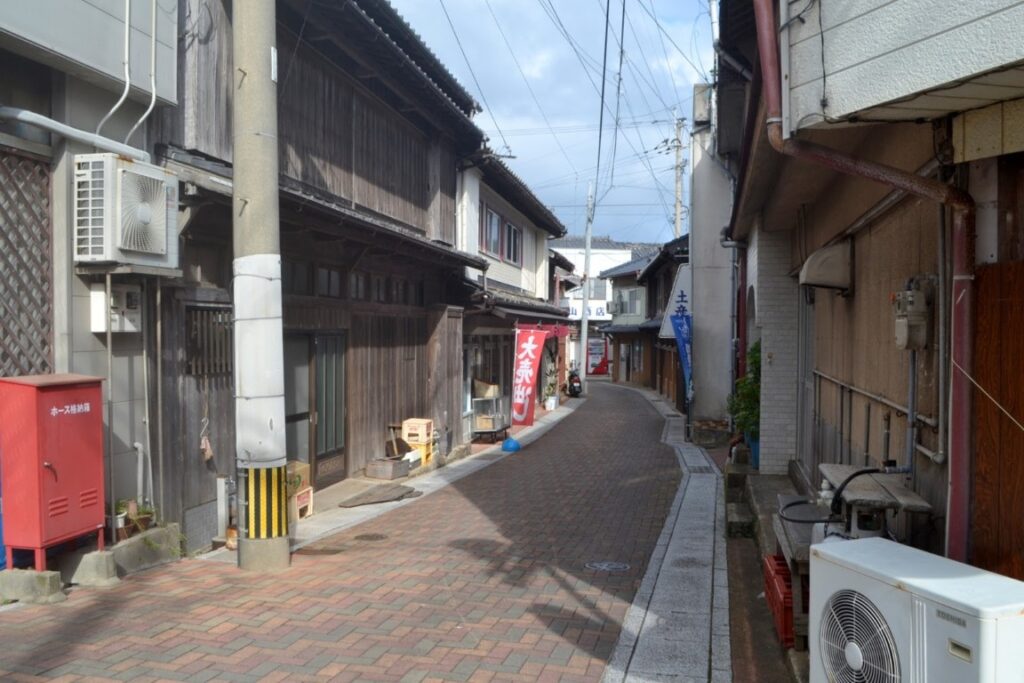
This island markets itself as having “nothing.” Perhaps many people come seeking the preciousness of that “nothingness,” as there are old traditional houses you can stay in, homestays, and nature learning facilities.
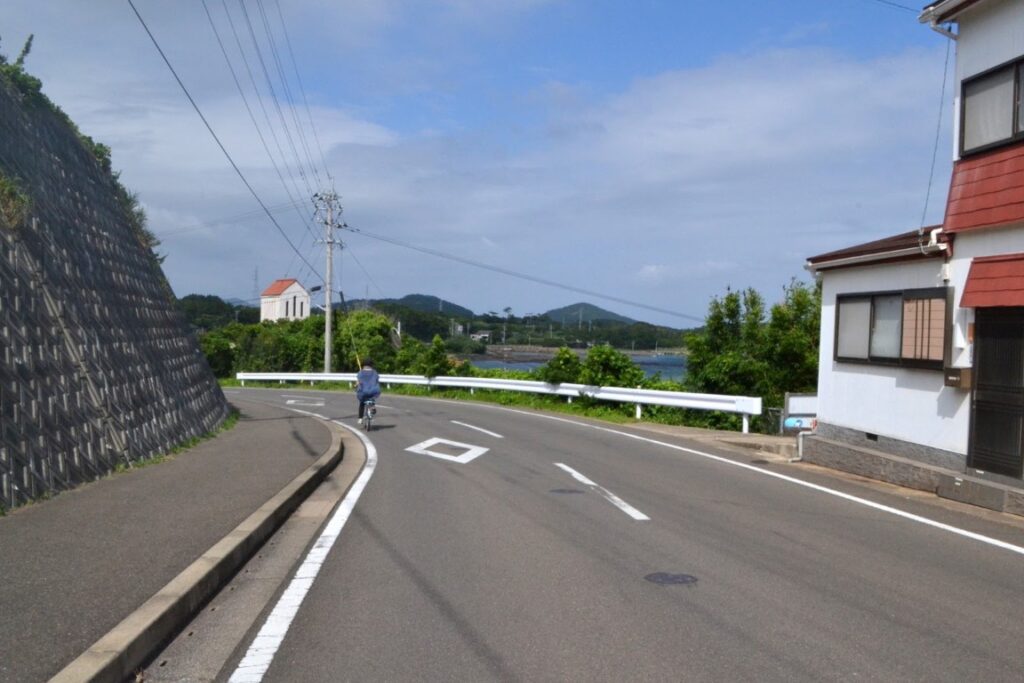
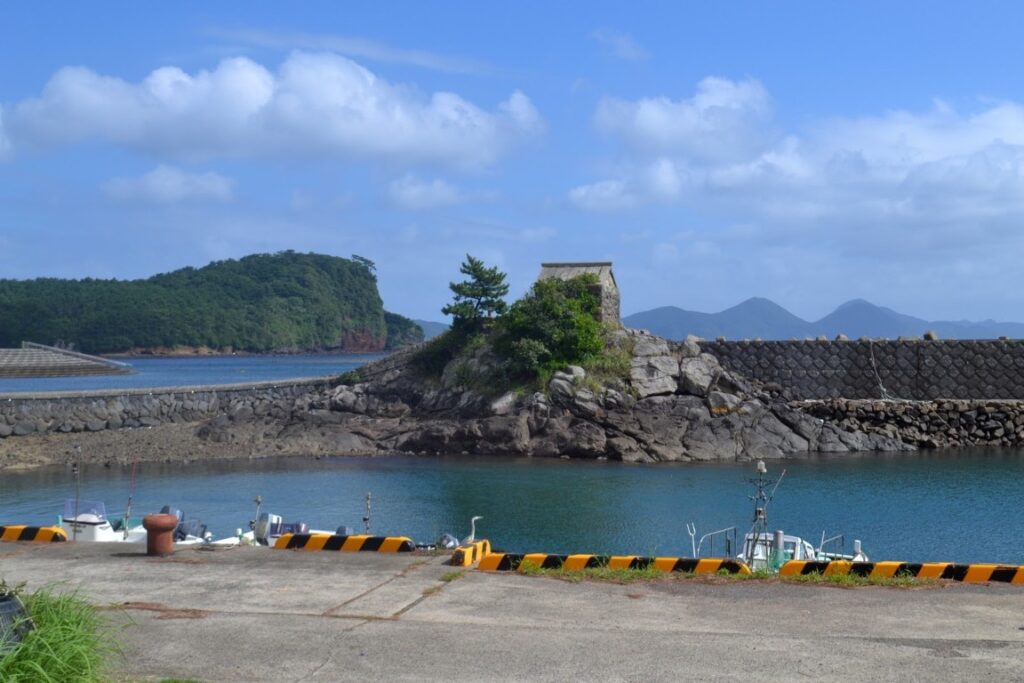
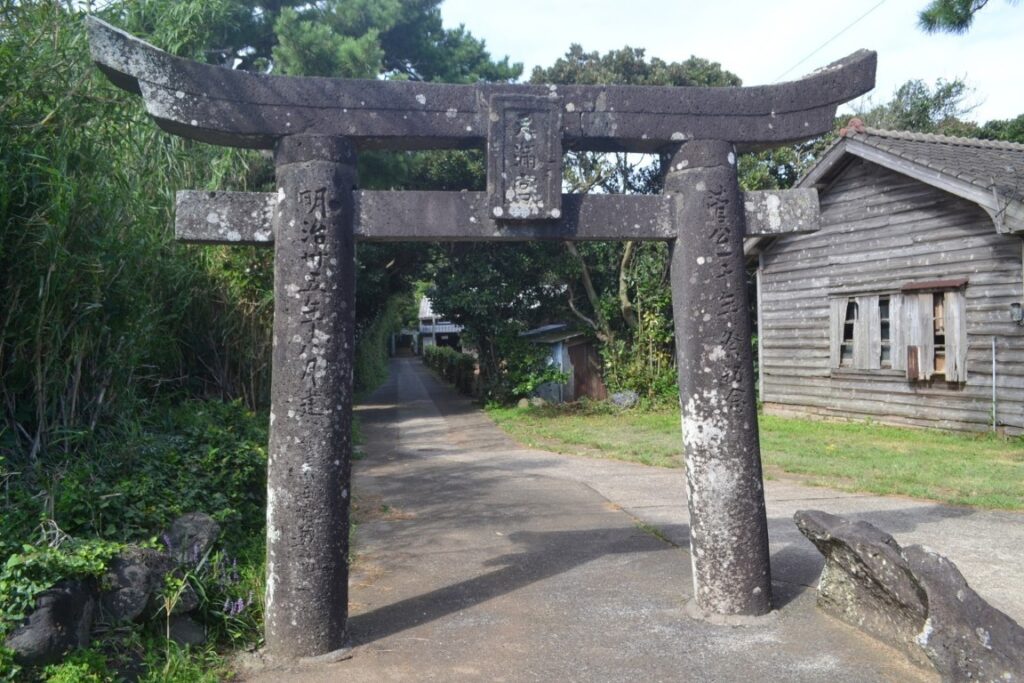
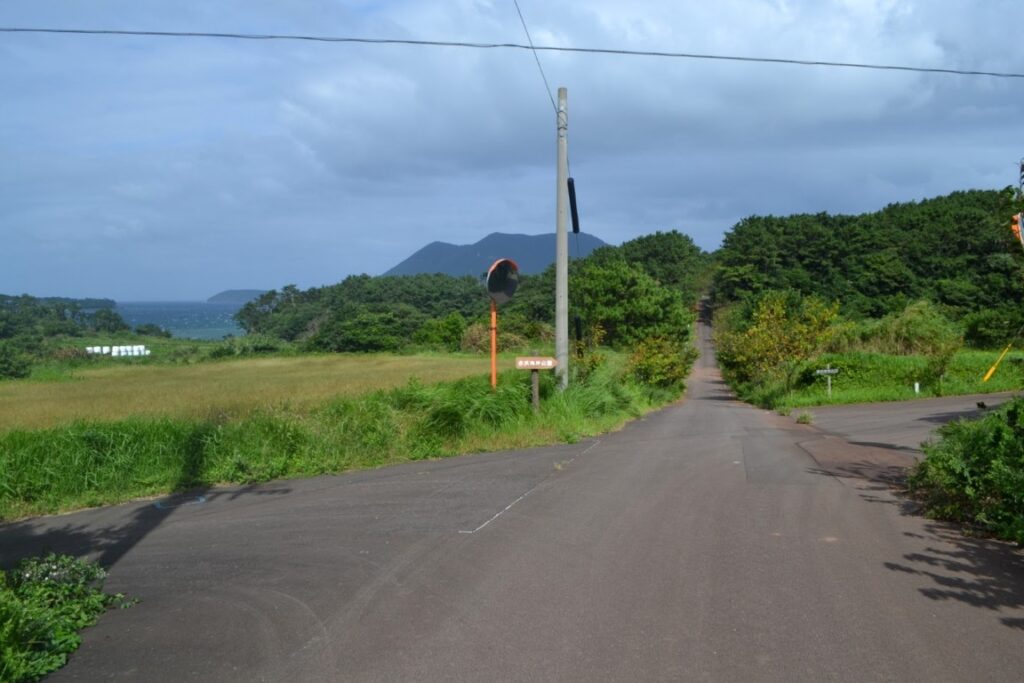
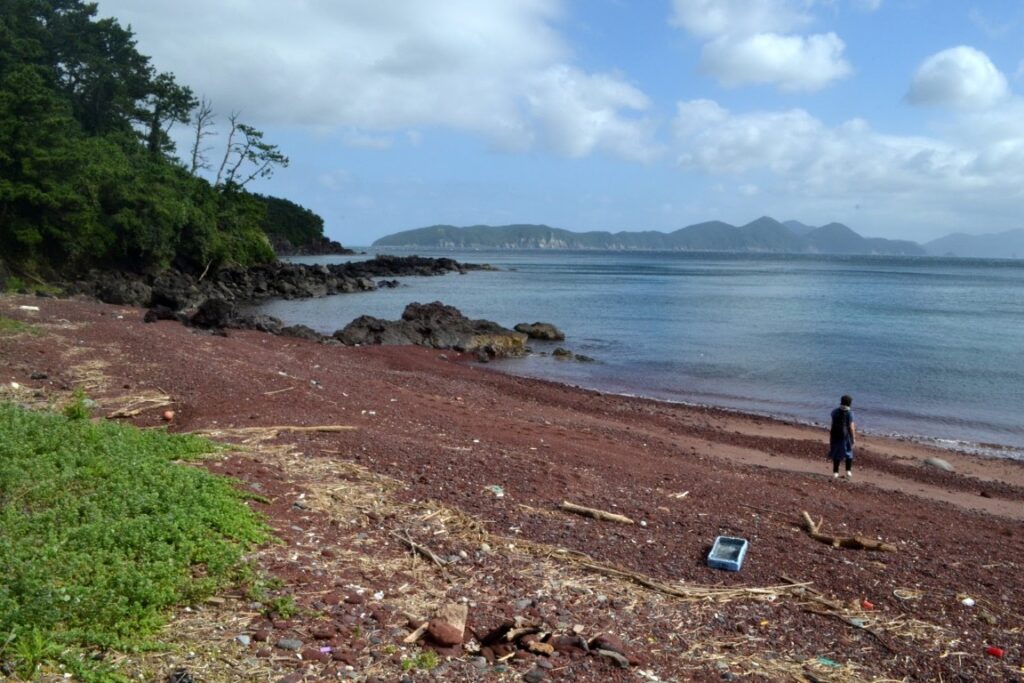
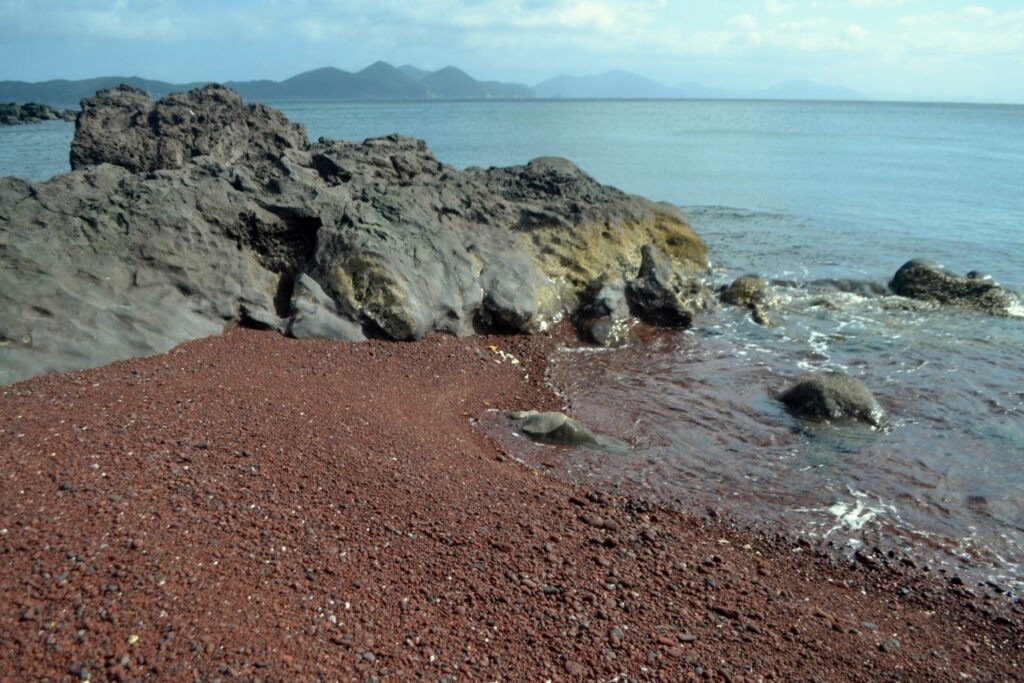
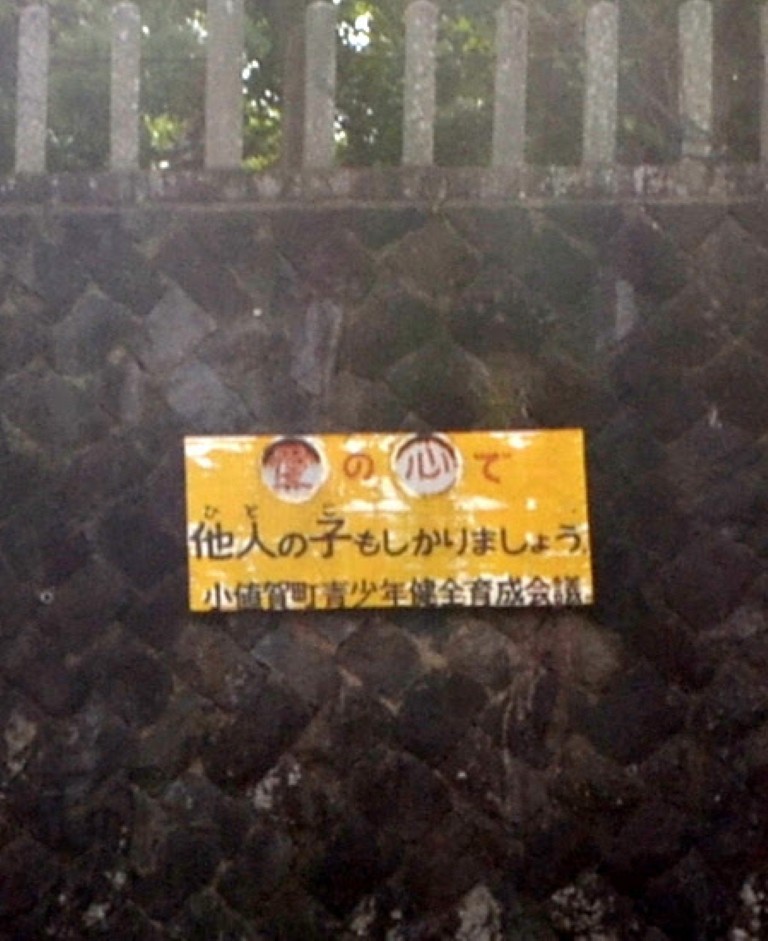
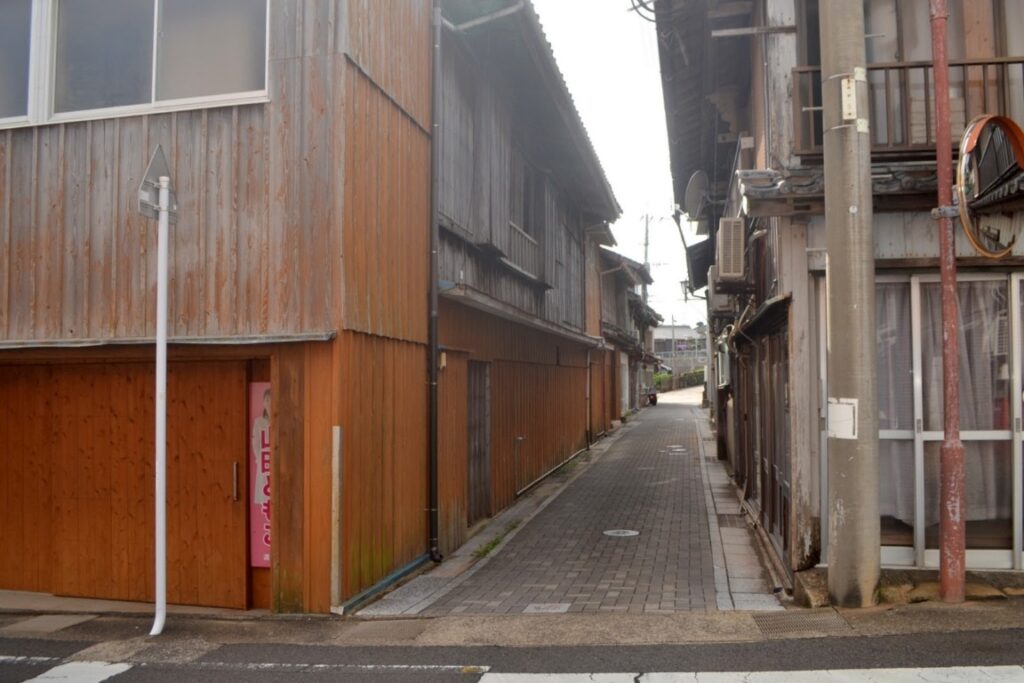
On Nozaki Island, one of the islands that make up Ojika Town, there is a magnificent red-brick church built by Hidden Christians called the “Former Nokubi Church,” but since it’s an almost uninhabited island, you need to make reservations in advance.
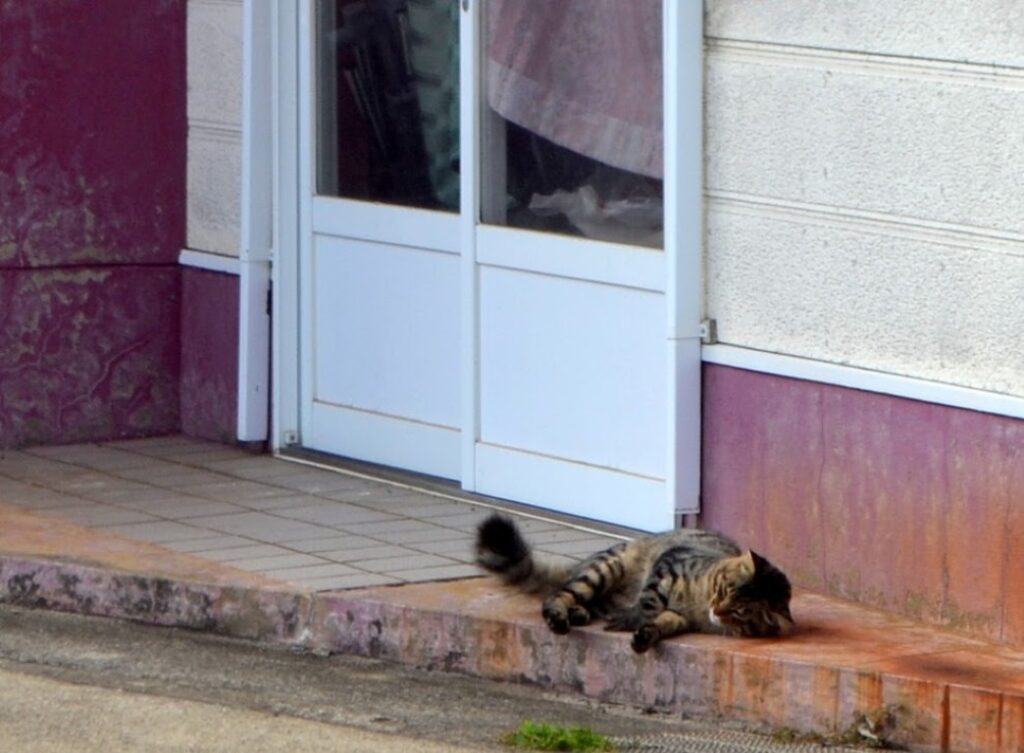
Escaping the Goto Islands: A Bit of an Adventure
Now, after having such a wonderful time that we forgot the passing hours, we planned to take a boat from Ojika Island to Nakadori Island, and then head to Sasebo Port on the mainland, but this turned into quite the adventure (tears).
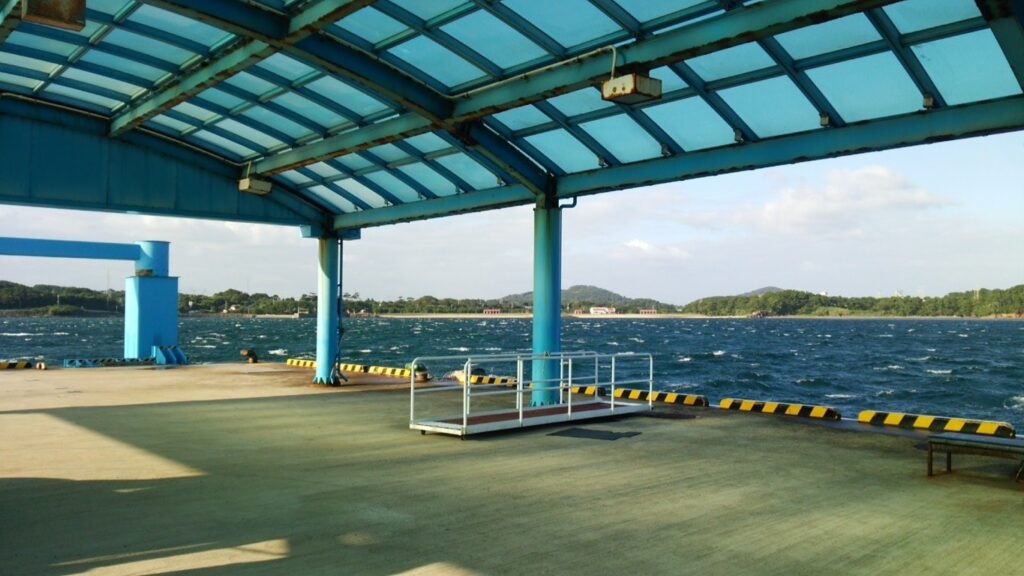
At the time, the waves were rough, so it was a delicate situation whether the boat returning to Nakadori Island would depart or not. We wanted to go to Sasebo on the mainland via Nakadori Island that day and stay overnight there, so we desperately wanted it to sail. The ferry company staff told us, “It will depart as scheduled,” which made us happy, but…
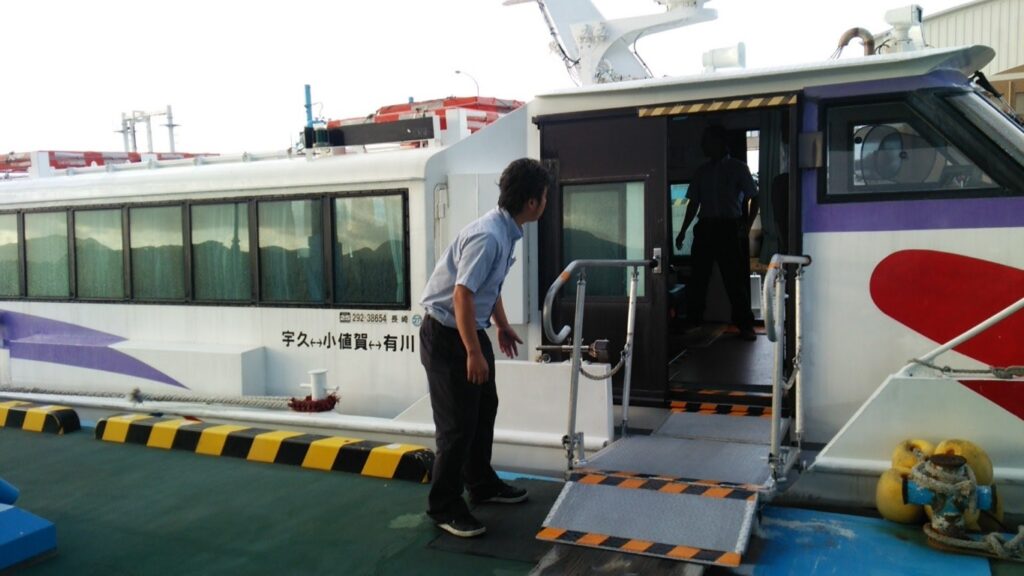
W-We’re getting on this? And the waves are actually pretty rough…!
Boats around the Goto Islands tend to rock quite a bit anyway, perhaps due to the strong ocean currents. Bracing ourselves, we boarded.
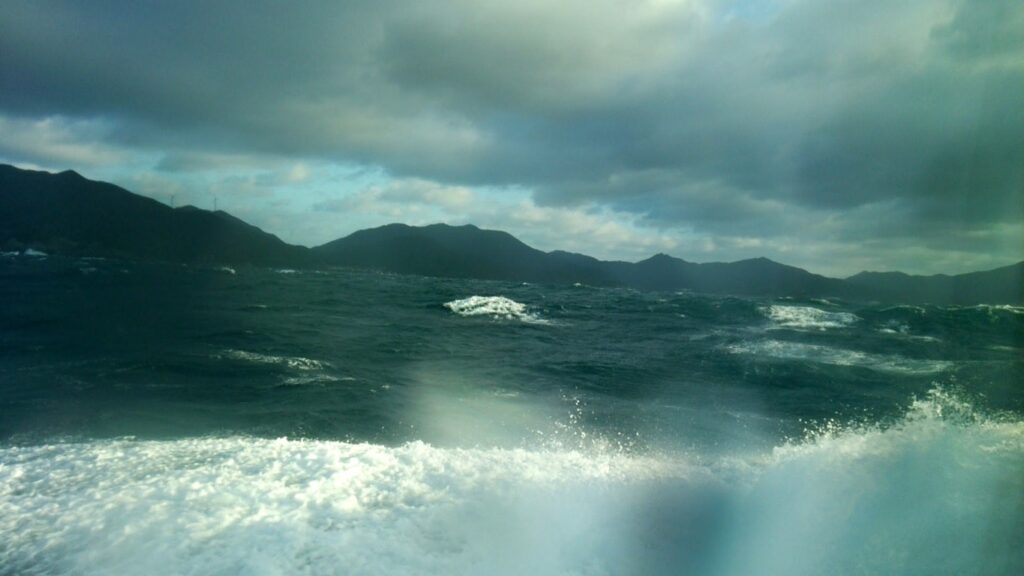
W-Whoa, it’s rocking!
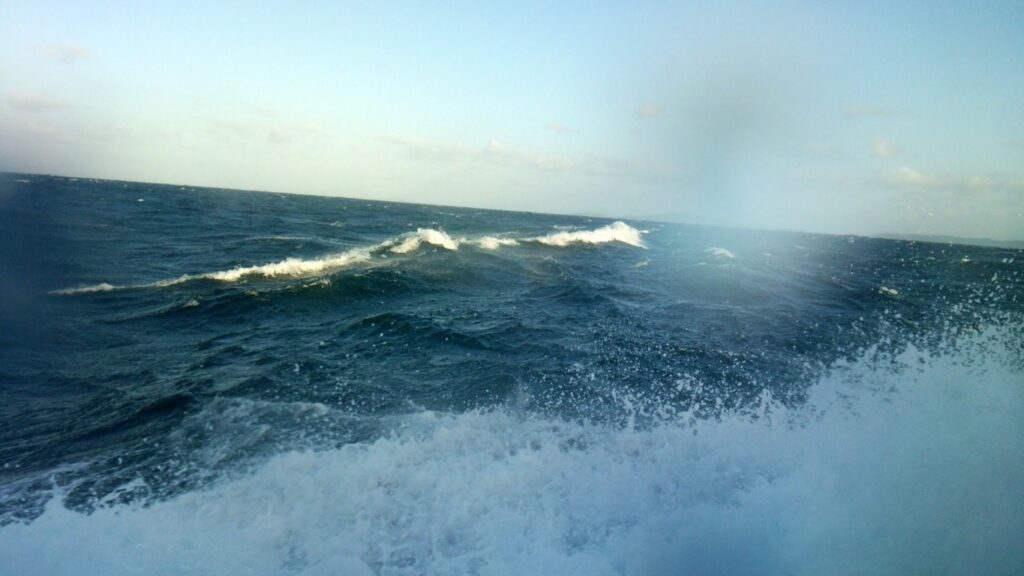
The boat was occasionally zigzagging, as if cutting across its direction of travel. I realized later that this was the captain’s technique, similar to surfing, to move forward by riding parallel to the waves instead of taking their force head-on.
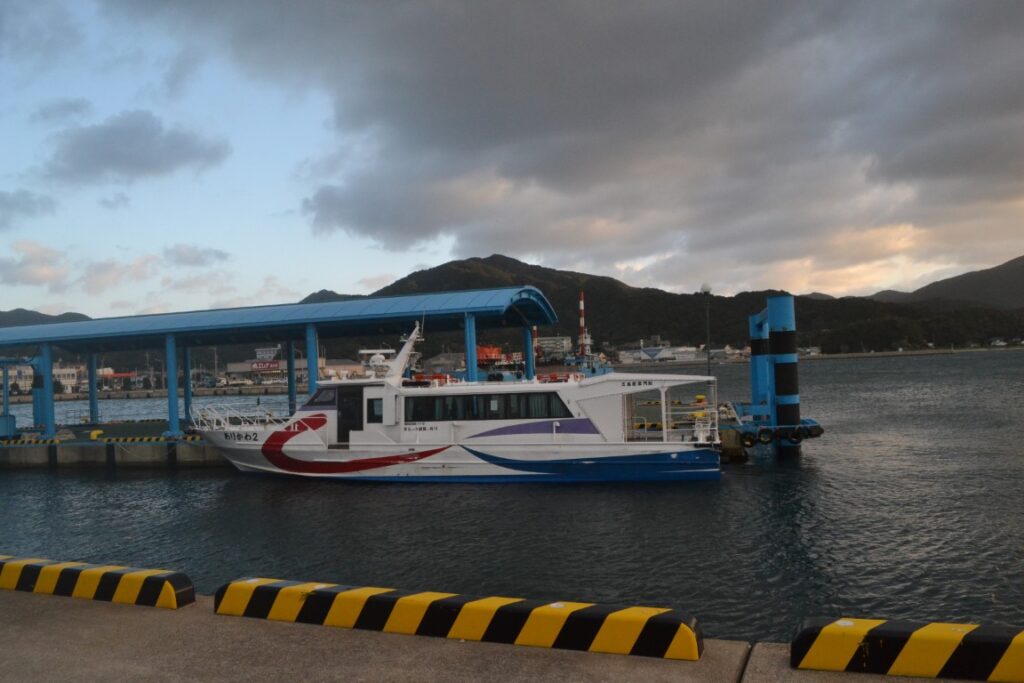
After this, we transferred to a large ferry (the kind with third-class cabins) from Nakadori Island to Sasebo Port, and I realized I was less seasick on the first, smaller boat. Perhaps because a small boat moves as one with the waves, your body can predict the rocking, so you don’t get as sick. However, the large boat just relentlessly and slowly repeated the motion of “hull goes up -> hull goes down,” which actually made me feel nauseous.
I used to get motion sickness easily on school field trip buses in the past, but I had somehow become stronger, and my nausea subsided as soon as we arrived at Sasebo Port. My friend, however, was lying on a bench at the port for a while (tears).
A Long-Awaited Toast in the Cosmopolitan City of Sasebo
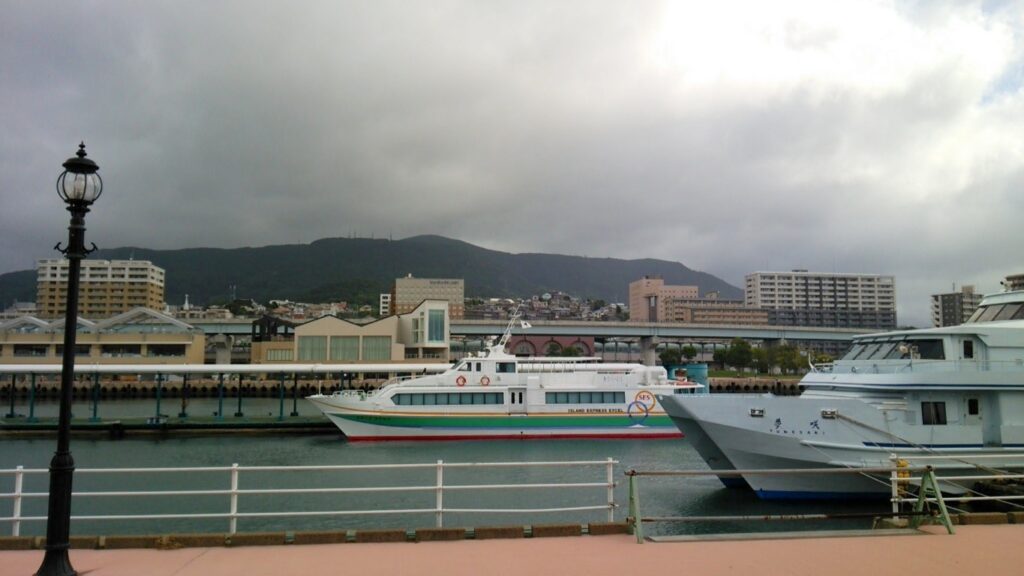
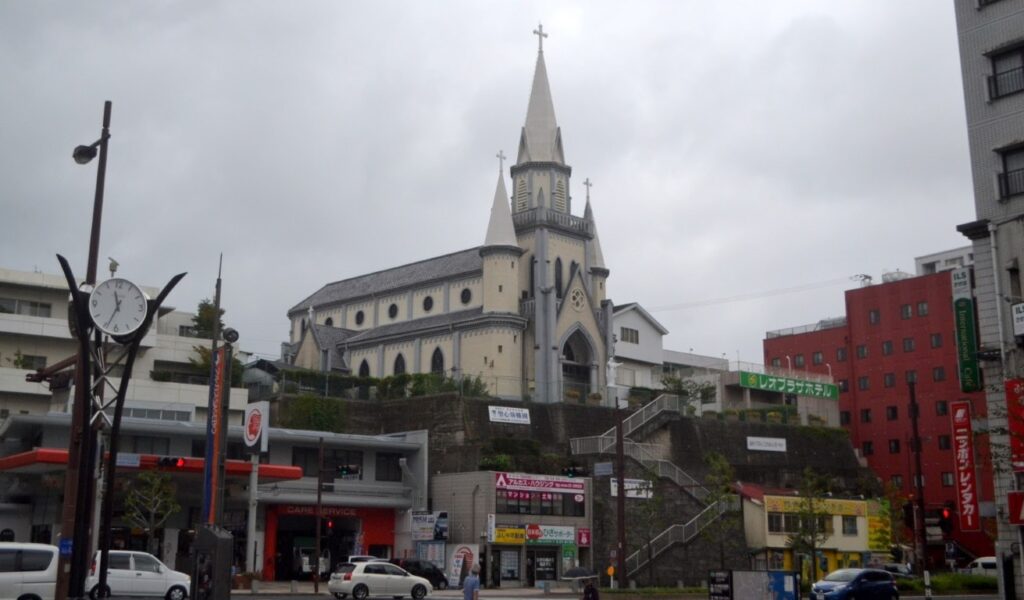
Back on the Nagasaki mainland for the first time in four days. Because Sasebo has Japan Maritime Self-Defense Force and US Navy bases, it has that unique atmosphere of a naval port town, much like Yokosuka or Okinawa. American culture, such as jazz and hamburgers, has taken root, and there are Catholic churches right in the middle of the city. It’s a town where you can see all sorts of “champon” (fusion).
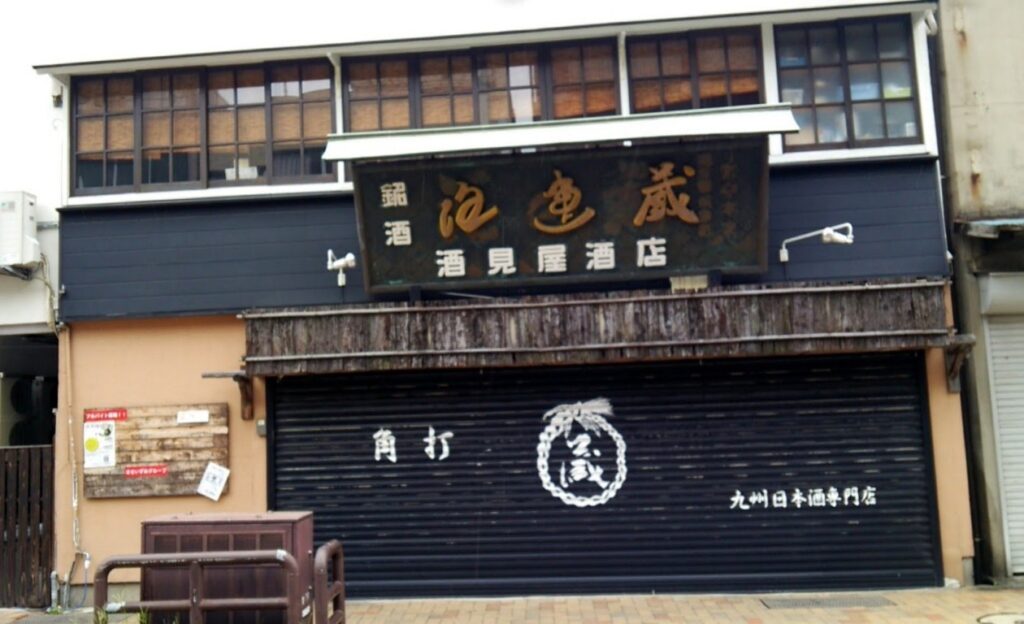
We drank at a “Kakuuchi” inside a liquor store that’s been around for nearly 100 years in Sasebo’s downtown area. It’s a standing bar style at the counter. The Kakuuchi here is really interesting: you buy a coin for 200 yen, insert it into one of the many vending machines sorted by type of alcohol, and enjoy your drink of choice.
We had a fun chat with some older local men, born and raised in Sasebo. They said things that practically invalidated our entire trip, like, “I’ve lived in Sasebo my whole life, but I’ve never been to Goto! You guys are weirdos!” (lol). And so, our fun, drunken night wore on. Cheers to the locals who hung out with us two weirdos!
Tomorrow, we head to Arita in Saga Prefecture.
- Nagasaki Trip Days 1: A Journey of Prayers: Tracing Hidden Christians, Peace, and Local Food in Nagasaki
- Nagasaki Trip Days 2: The Goto Islands – Naru Island and Fukue Island
- ▶Nagasaki Trip Days 3 & 4: Tracing the Roots of Printing on Ojika Island!
- Nagasaki Trip Day 5: Just One Day in Saga Prefecture. Strolling Through the Town of Arita Ware
- Nagasaki Trip Day 6: The Last Day of the trip. Holding August 9, 1945, in my heart