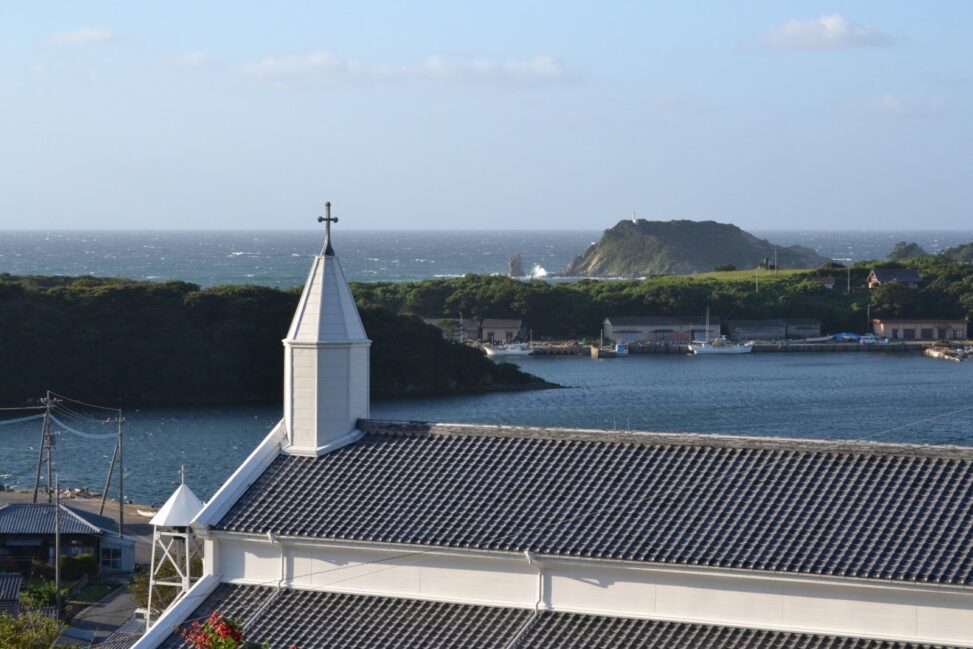
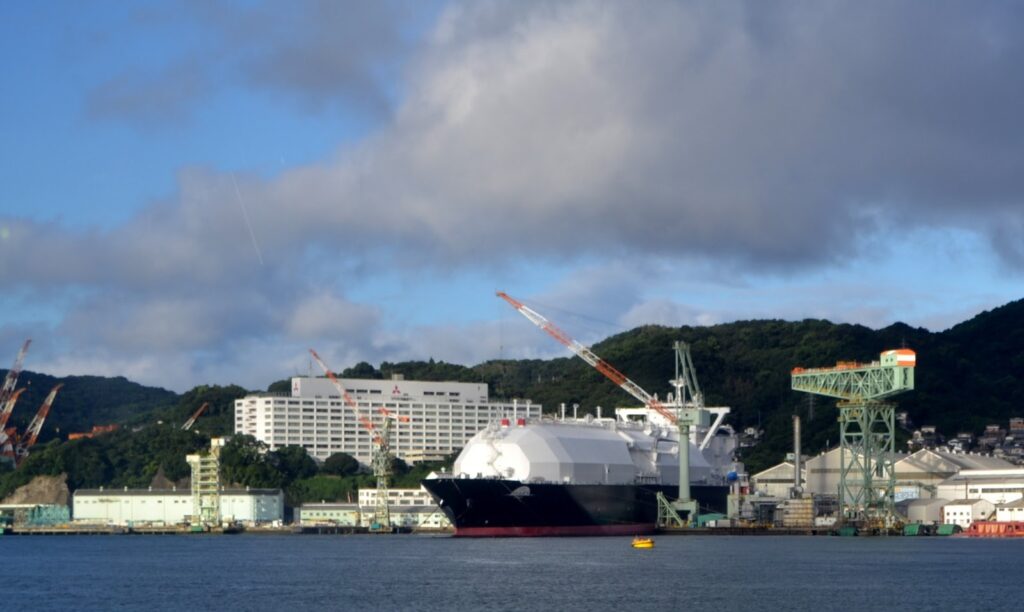
Day 2 marks the beginning of our journey to the Goto Islands.
For more information about Goto Islands: Visit Goto City
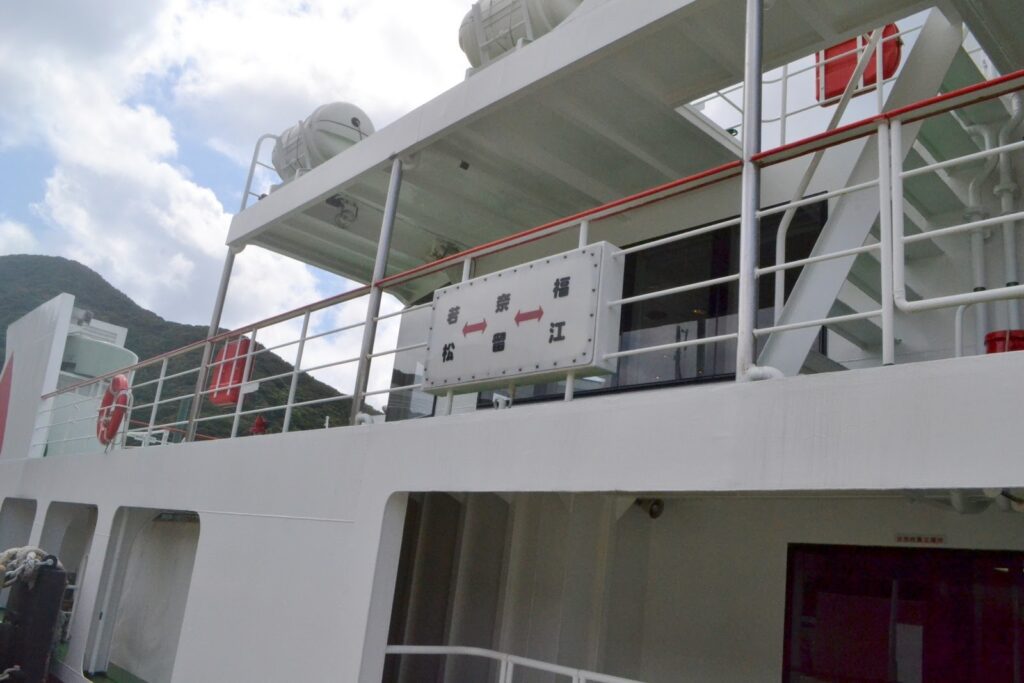
We took a Kyushu Shosen jet foil from Nagasaki Port for about an hour and a half, heading to Fukue Port on Fukue Island, the largest of the Goto Islands.
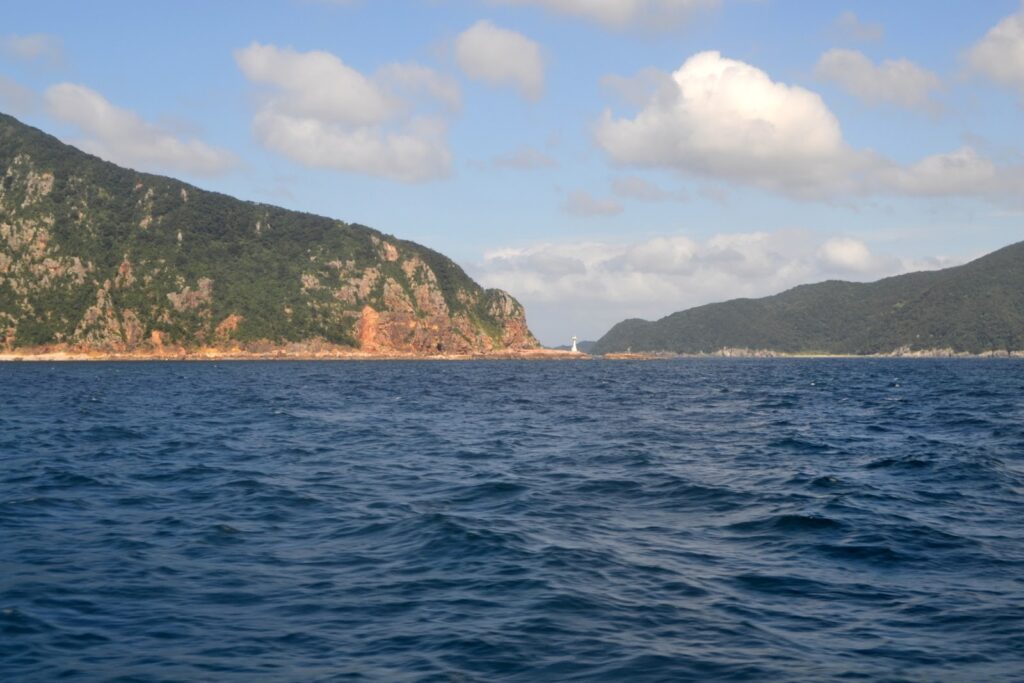
Traveling around Goto basically involves hopping on one Kyushu Shosen ferry after another.
You can check their routes and fares here! https://kyusho.co.jp/
Next, we caught a Kyushu Shosen ferry for a 40-minute ride to Naru Island (Narushima).
Naru Island is a small island with a population of less than 3,000. We chartered a taxi and had the driver show us around. We really hit the jackpot with this driver—he was so chatty and shared tons of fascinating local stories with us!
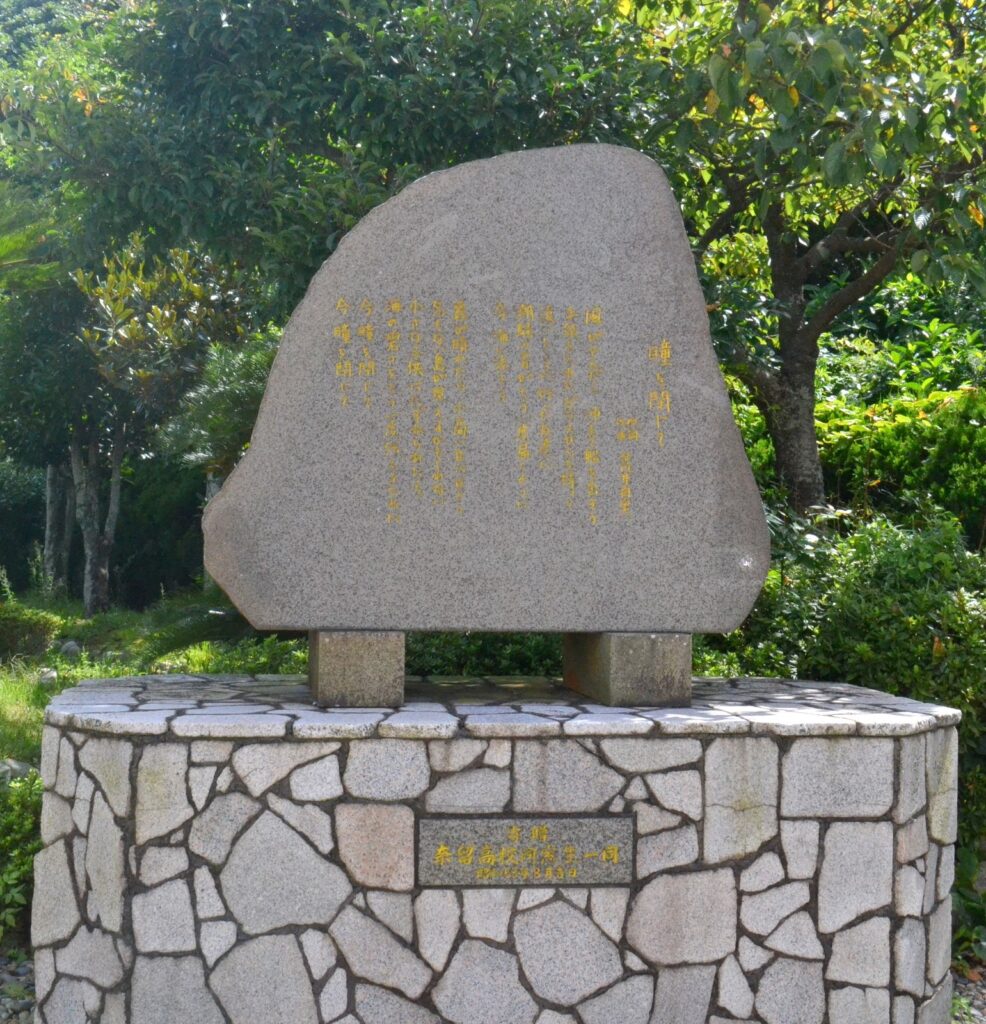
The first place he took us to was Naru High School. This is the school where famous Japanese pop singer Yumi Matsutoya (Yuming) composed a school song. The school was closed that day, but according to the driver, when the students are there, they sometimes come out and sing the song (technically, a beloved school anthem) for the tourists. The song is called “Hitomi wo Tojite” (Close Your Eyes), and it’s very famous among Japanese people.
Now, onto the island’s biggest tourist attraction: Egami Church. It stands in the middle of a forest, completely hidden from the sea.
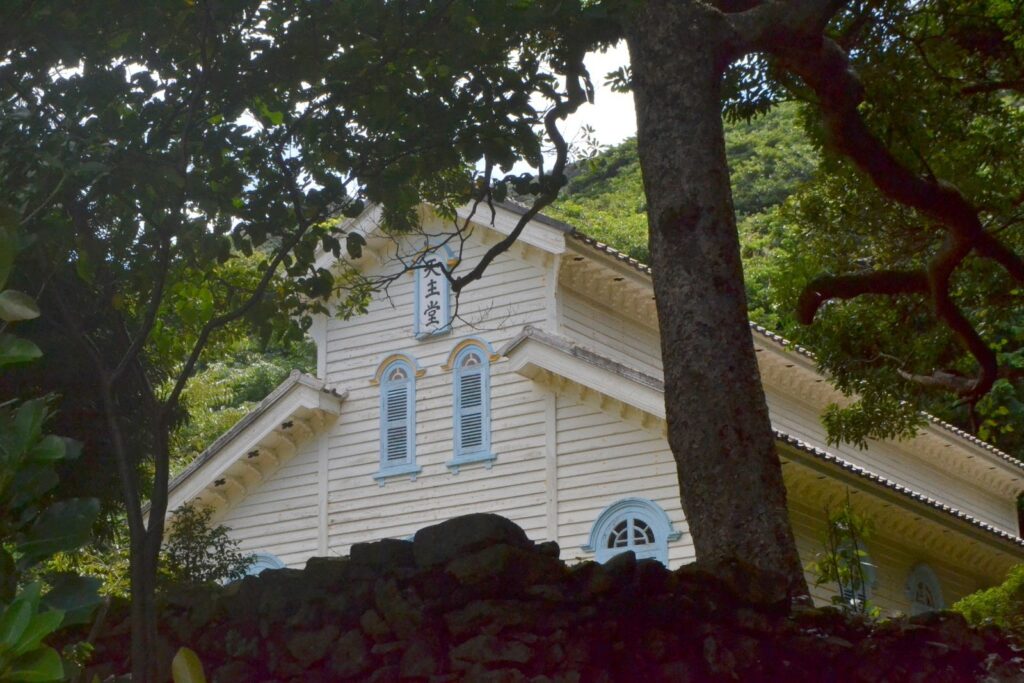
Its history began in 1881 when four families migrated from the Sotome area in Nagasaki and were baptized. The locals, who had practiced their Christian faith in secret, returned to Catholicism after the ban was lifted. It is said that in 1918, over 50 believer households pooled the funds they had saved up from kibinago (silver-stripe round herring) fishing to build this church. It was designed and constructed by Yosuke Tetsukawa, known as the father of church architecture, and it is considered the pinnacle of his wooden church designs.
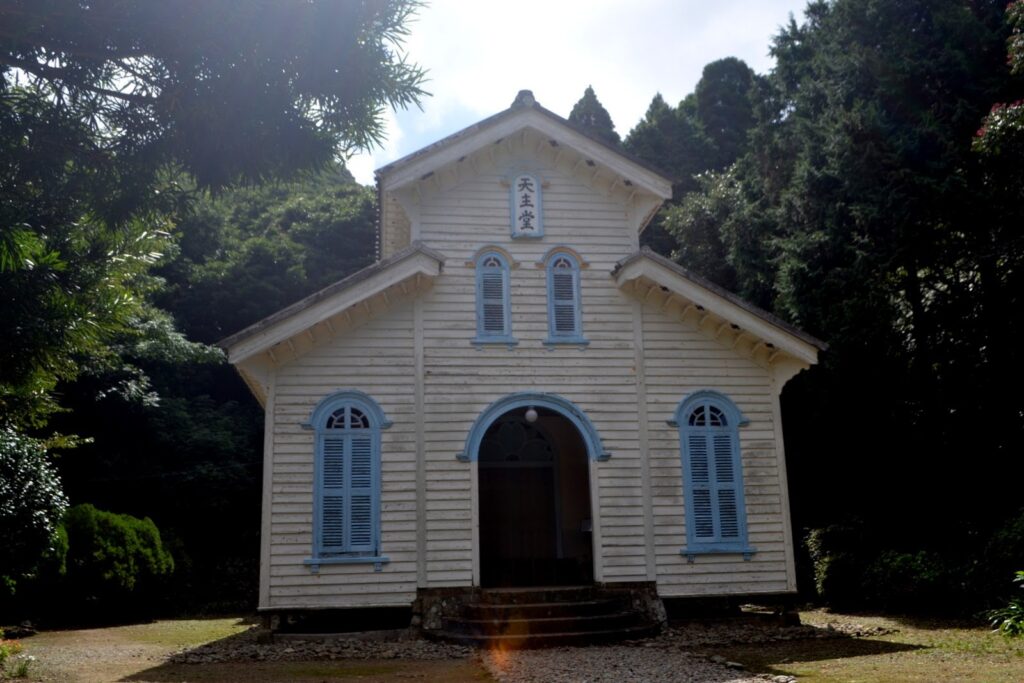
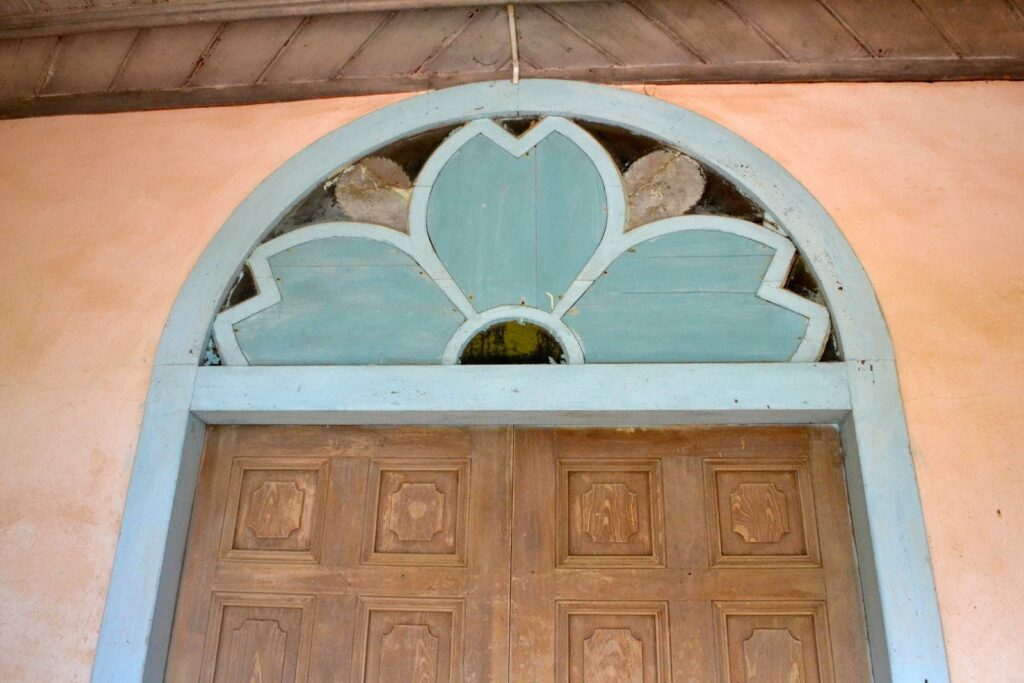
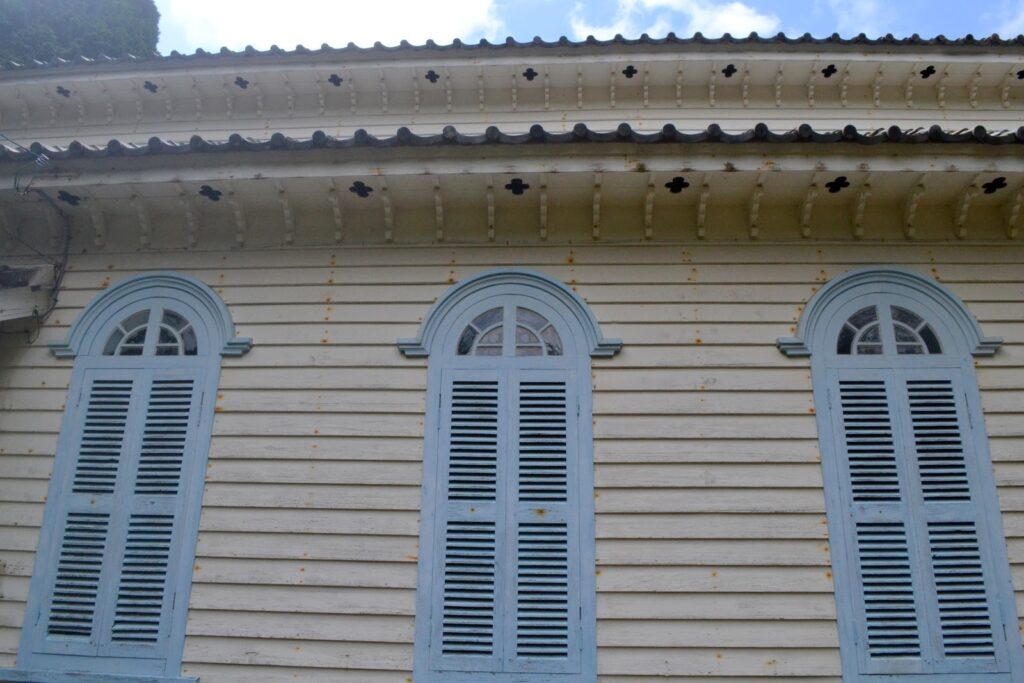
Here again, we can see a “champon” (fusion) of the West and the East. You can truly feel the devotion of the local believers who struggled to build it and have cherished it ever since. (Note: Reservations are required to tour the inside.)
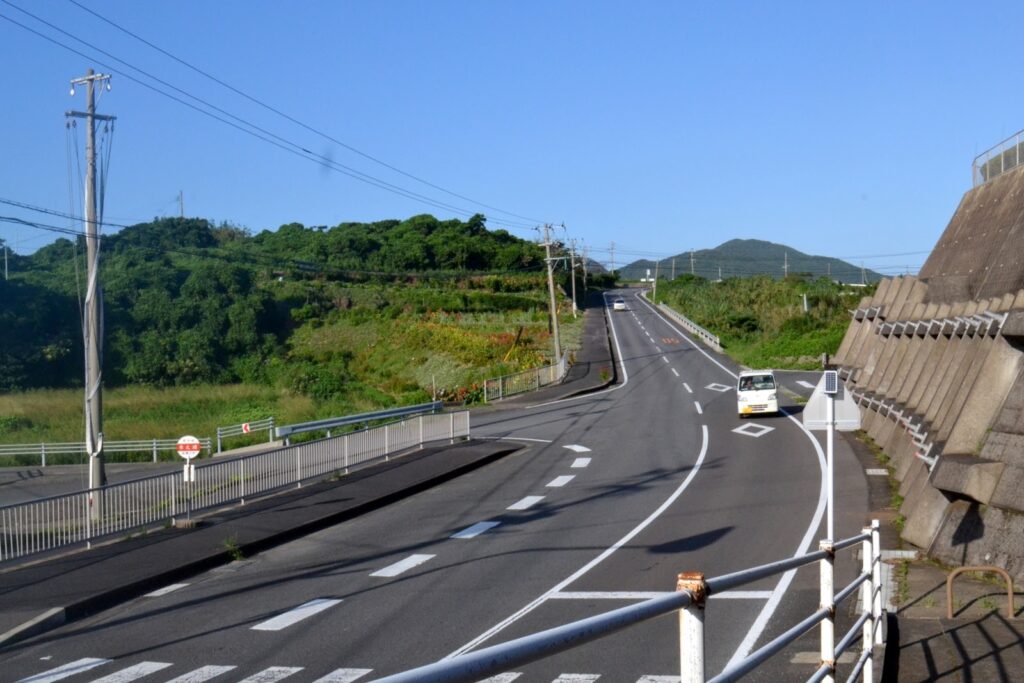
Beautiful ocean views continued along our drive.
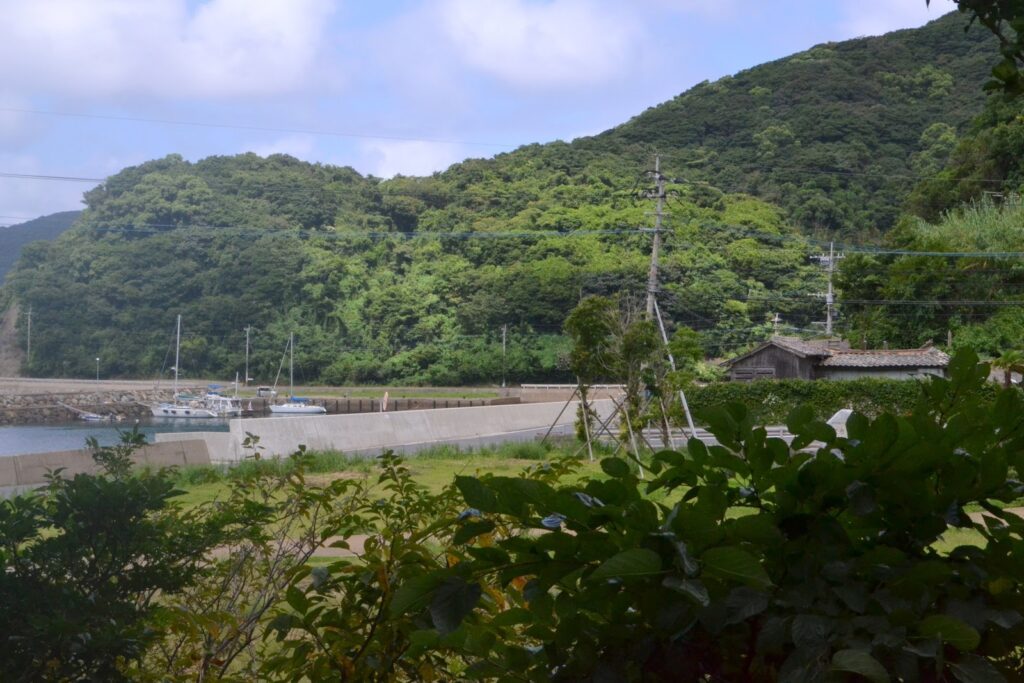
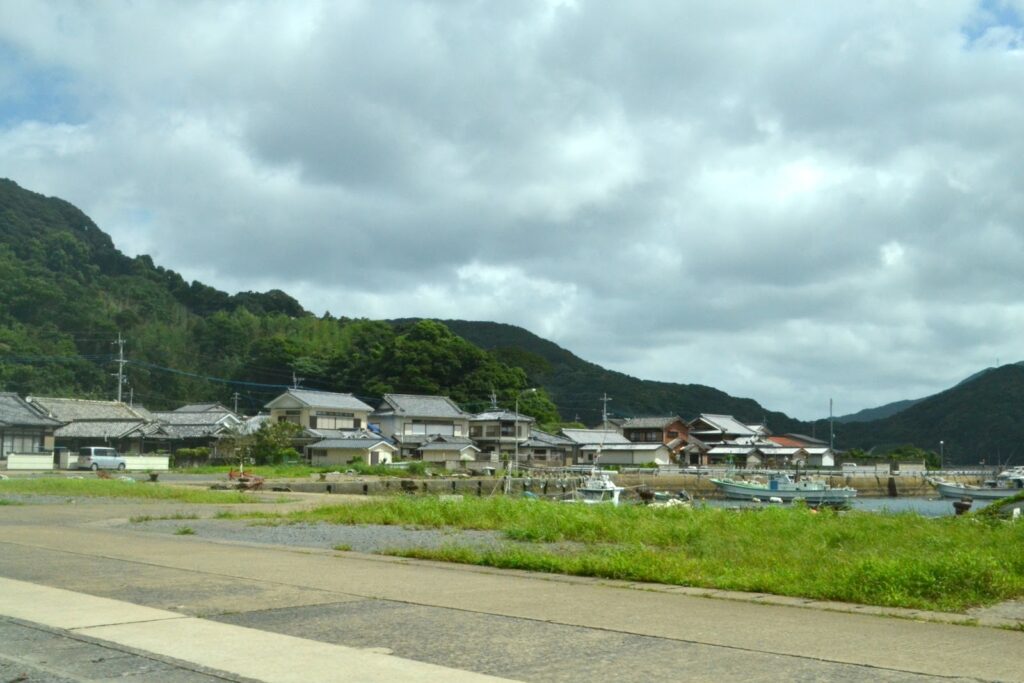
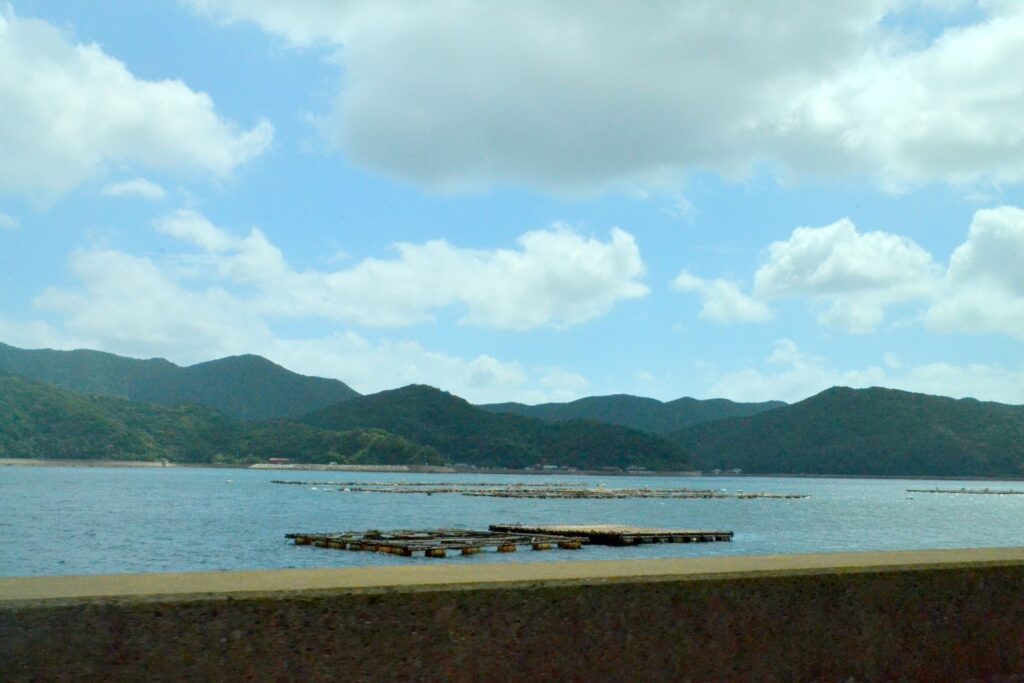
According to our driver, a world-class yacht racer was staying on the island at the time. He also mentioned that locals are working with researchers to produce farm-raised tuna.
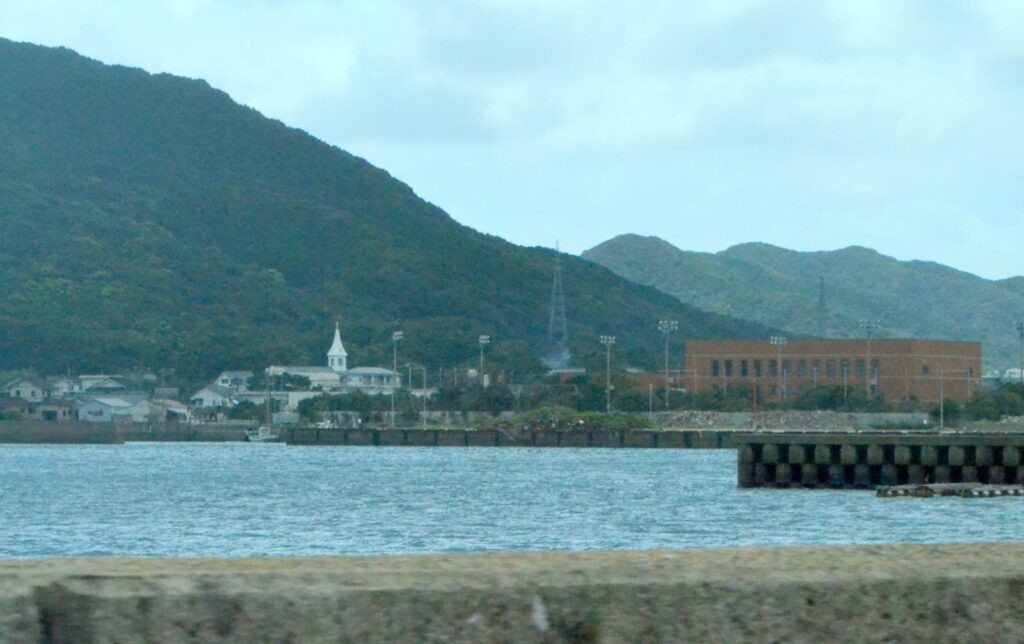
The elderly driver then shared some memories from his childhood. “When a Hidden Christian in the village died, they would first hold a normal Buddhist funeral. But after it ended and the attendees went home, certain people would visit the deceased’s house, gather around the body, and perform their own unique rituals. They were probably Hidden Christians. When I was a kid, I used to see Hidden Christians quite often, but their numbers are really dwindling now.”
One of the greatest joys of traveling is listening to the stories of the locals. In this modern era where freedom of religion is guaranteed, hearing raw, firsthand accounts of people who protected their unique faith sent shivers of excitement down my spine.
Next, we took a boat back to Fukue Island.
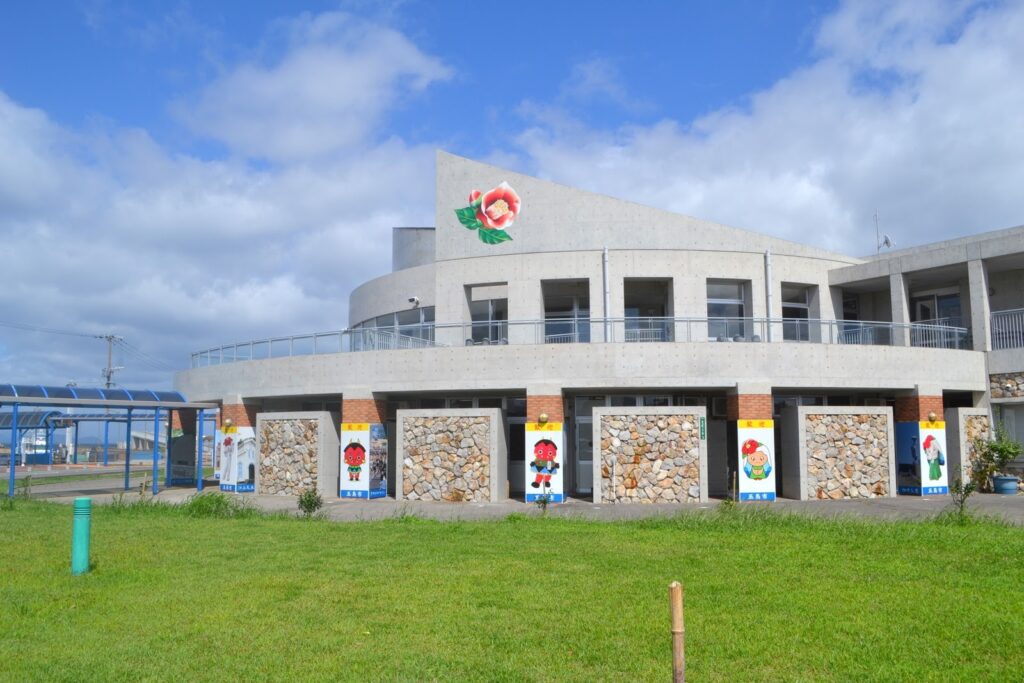
Fukue is the largest of the Goto Islands, with a population of about 33,000.
Although the population is aging, it’s quite livable for a remote island, and we heard that some young people are even migrating here.
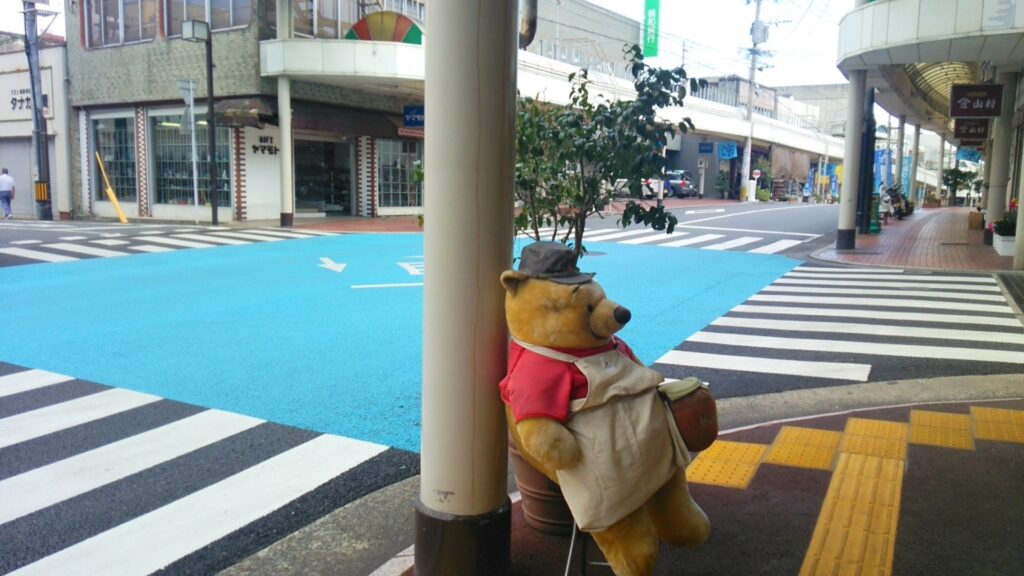
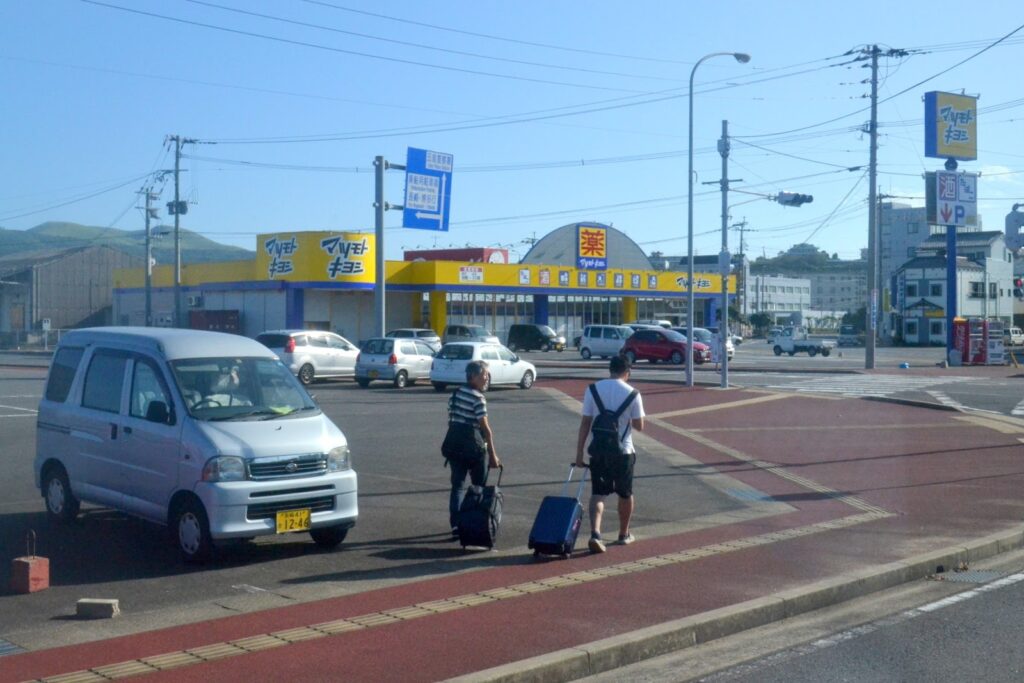
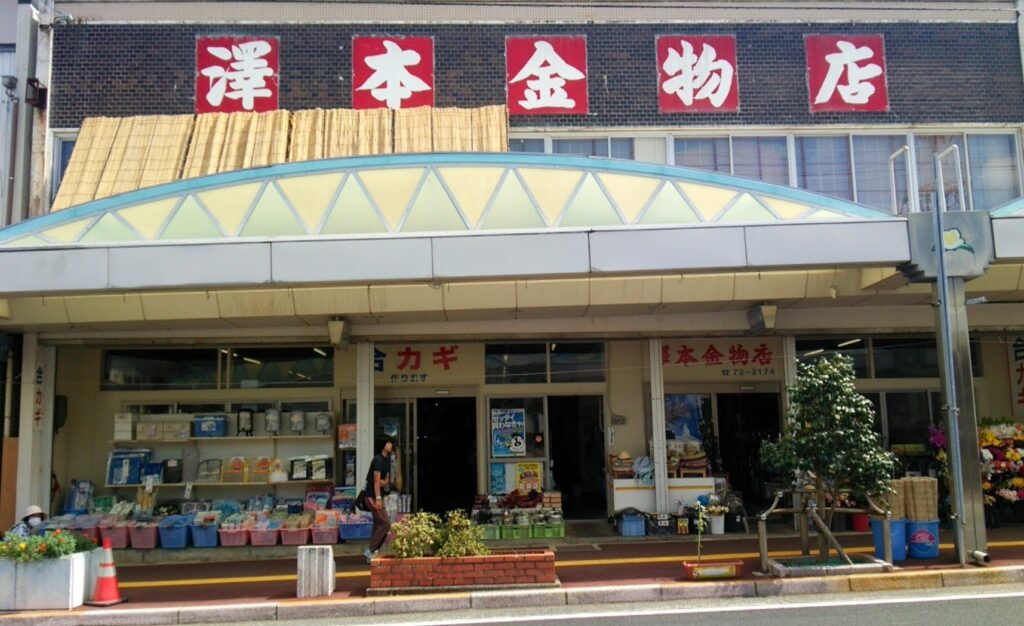
Photo: As you can see, there is a large, fully covered shopping arcade.
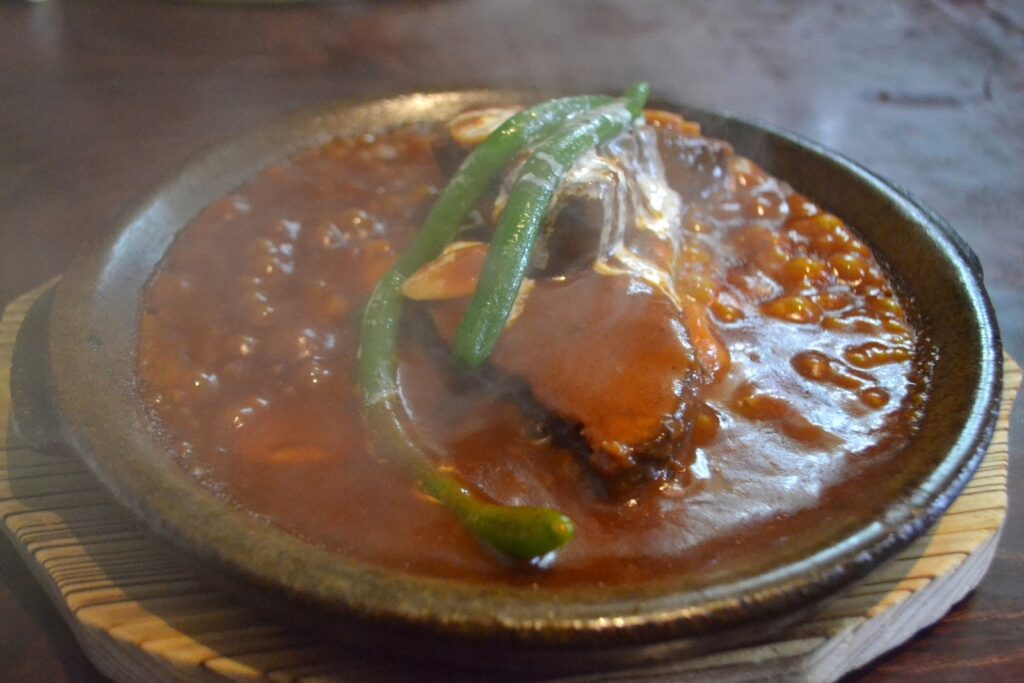
One of the Goto Islands’ premium brand foods is Goto Beef. We had beef stew at a restaurant that serves Goto Beef. Absolutely delicious!
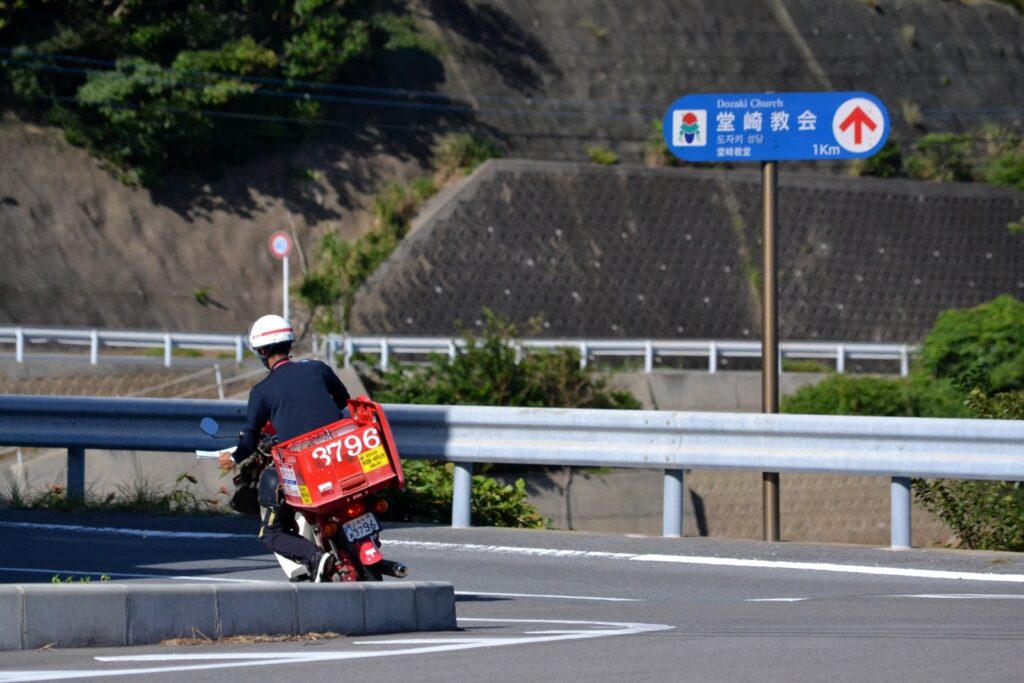
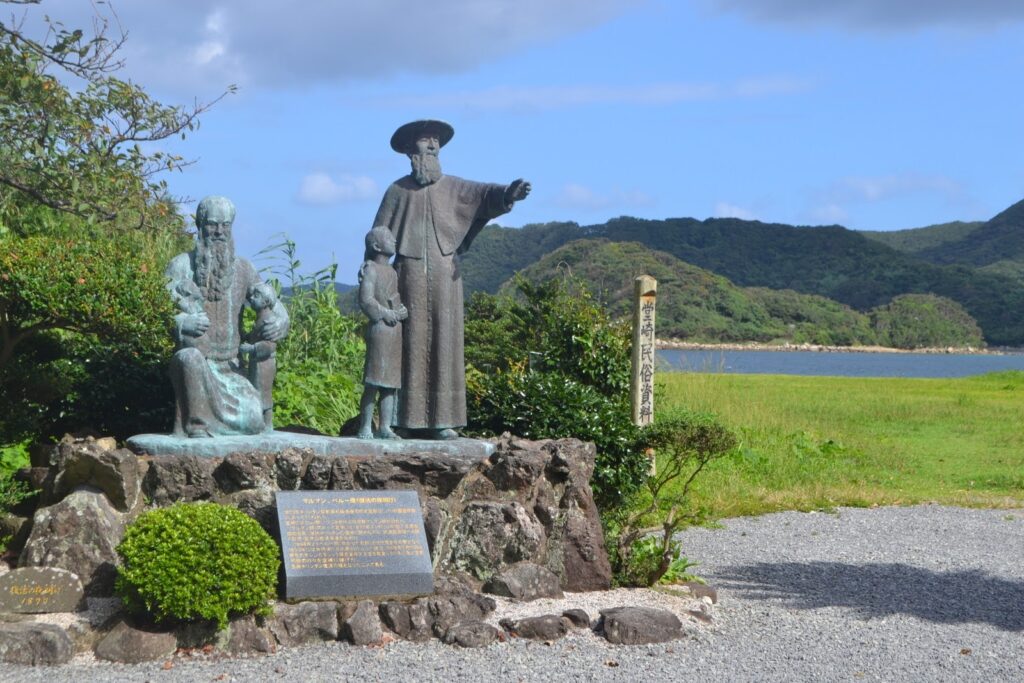
There are 13 Catholic churches on Fukue Island. We took a bus to visit one of them: Dozaki Church.
Walking along the coast from the bus stop, the scenery was just unbelievably beautiful. You also get a glimpse into the daily lives of the people living there.
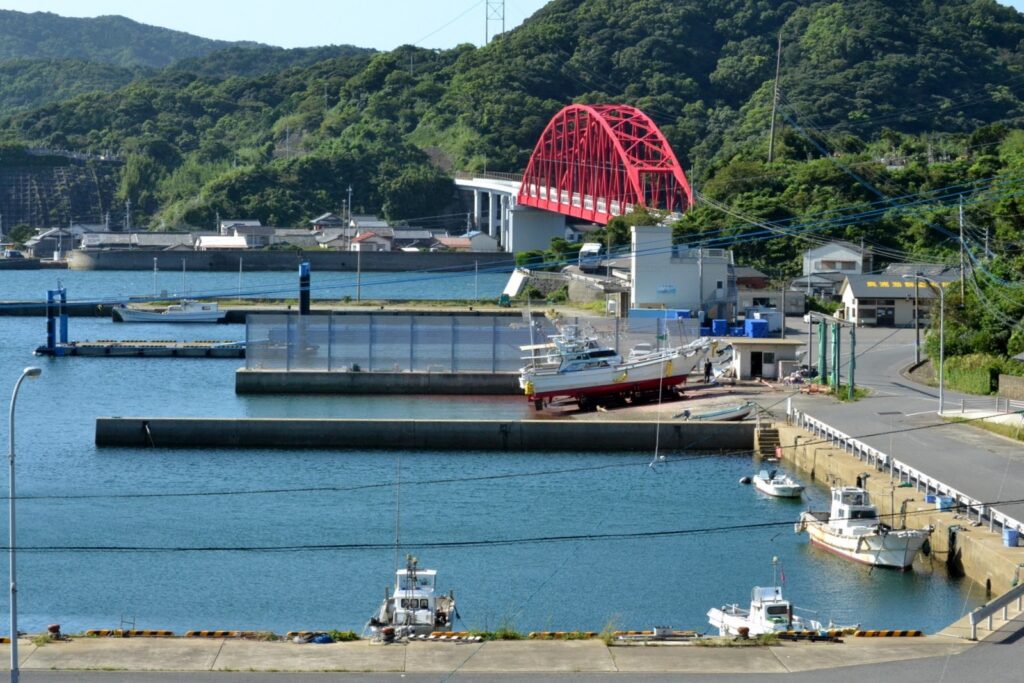
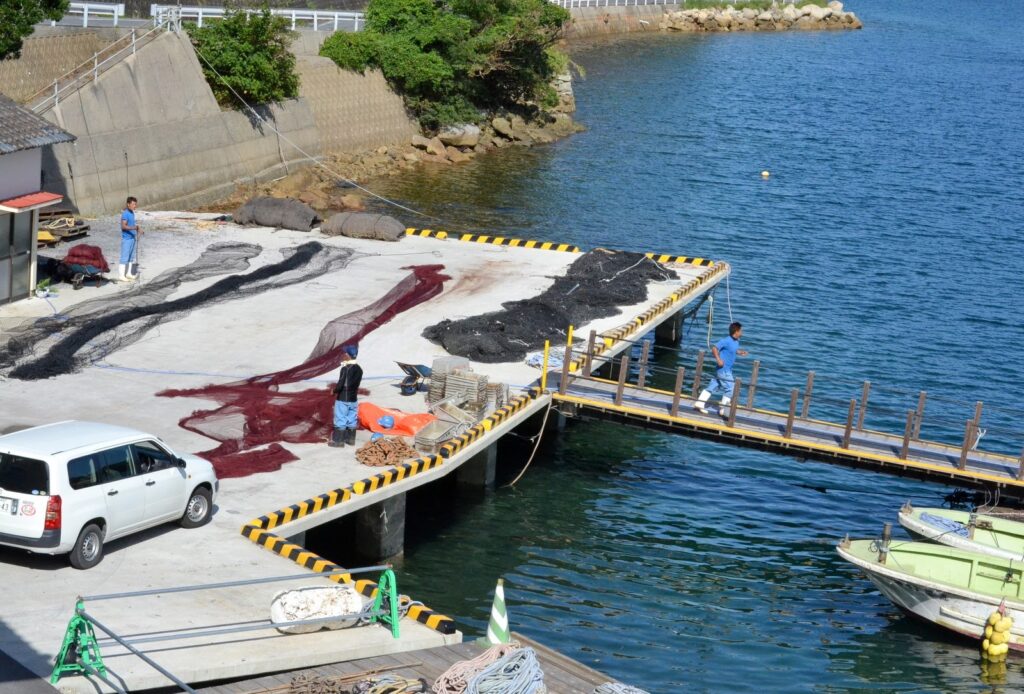
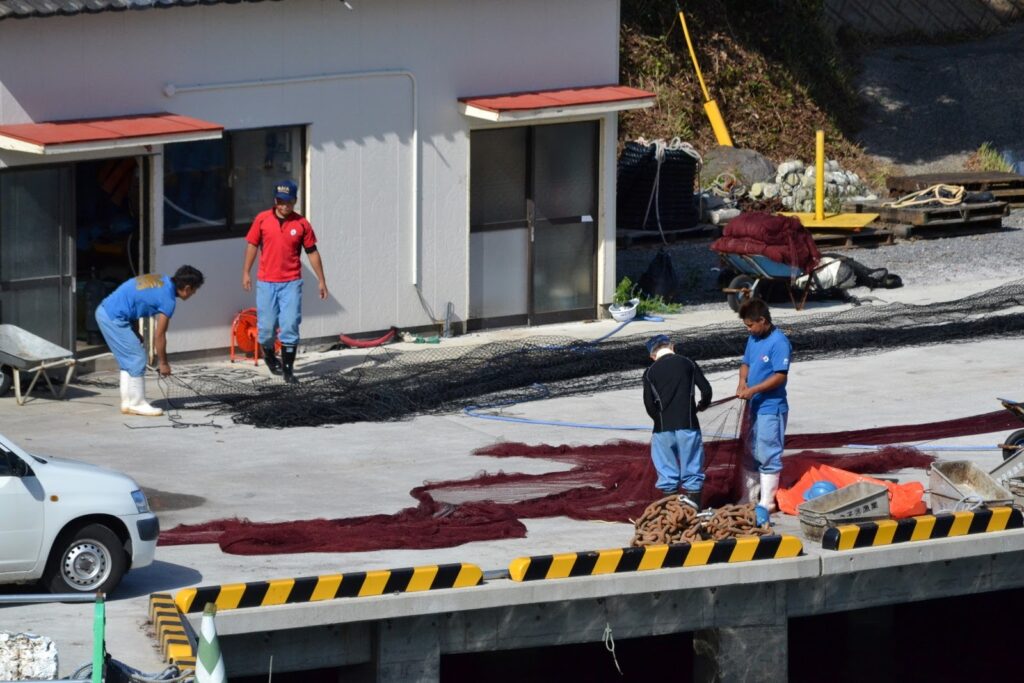
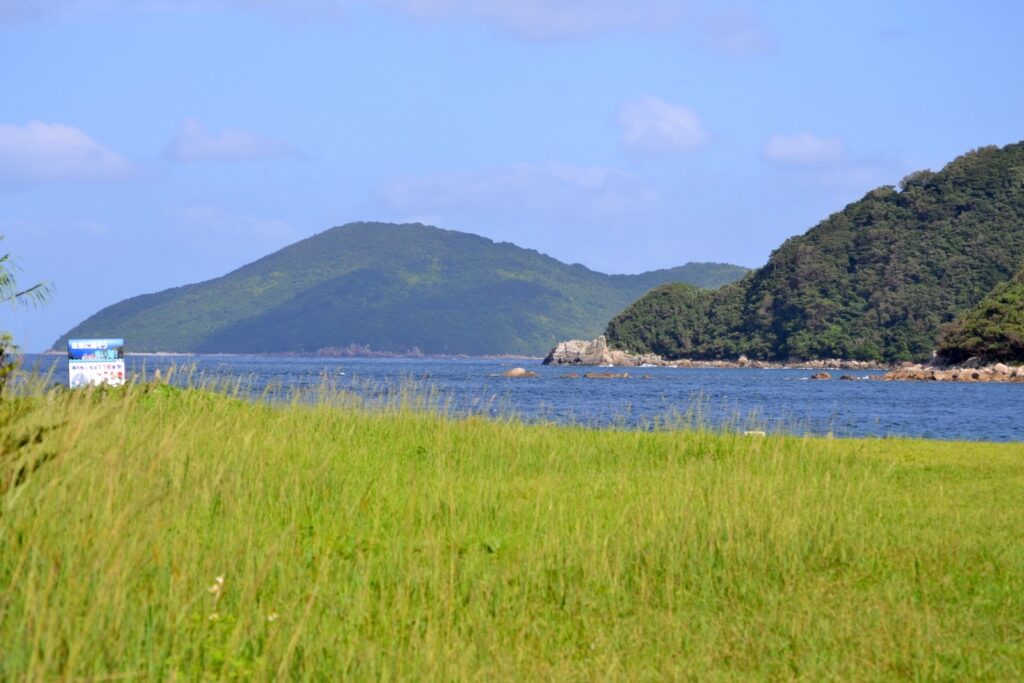
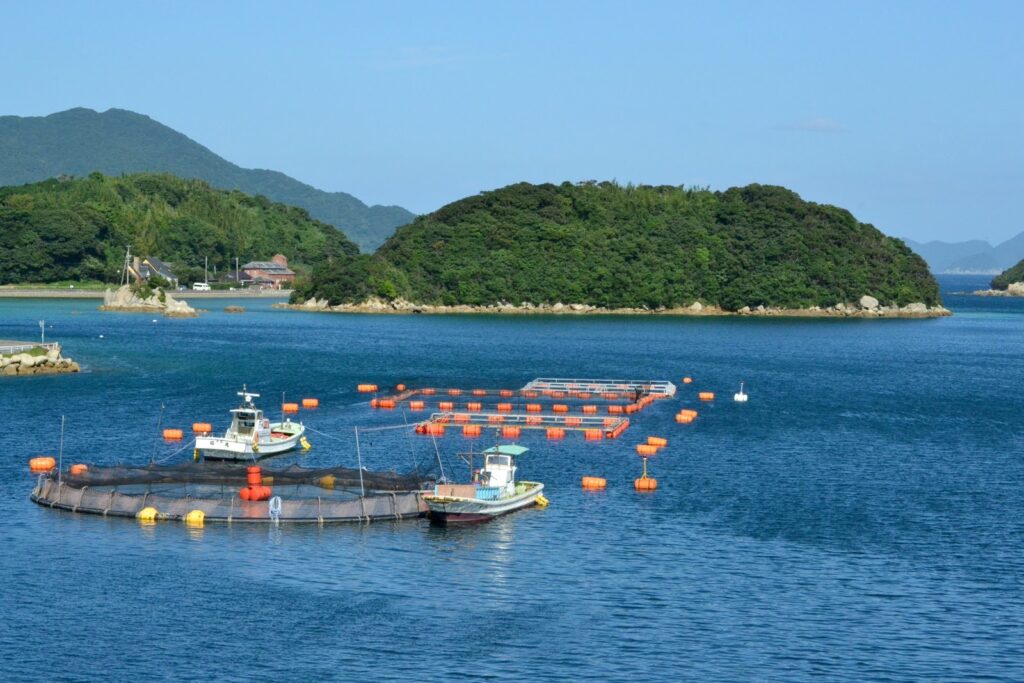
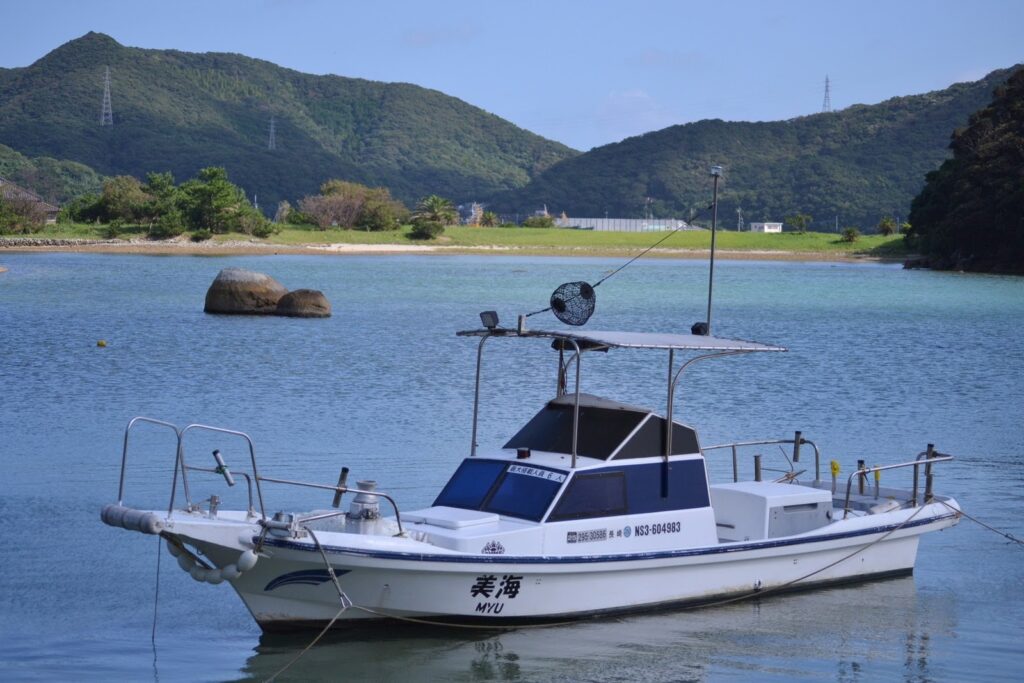
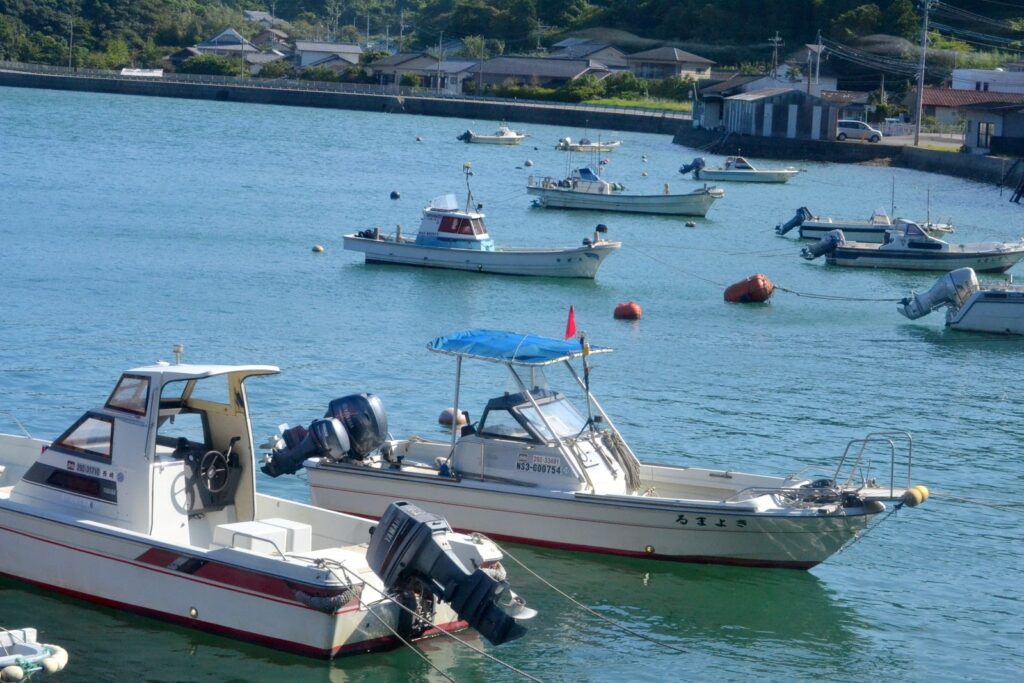
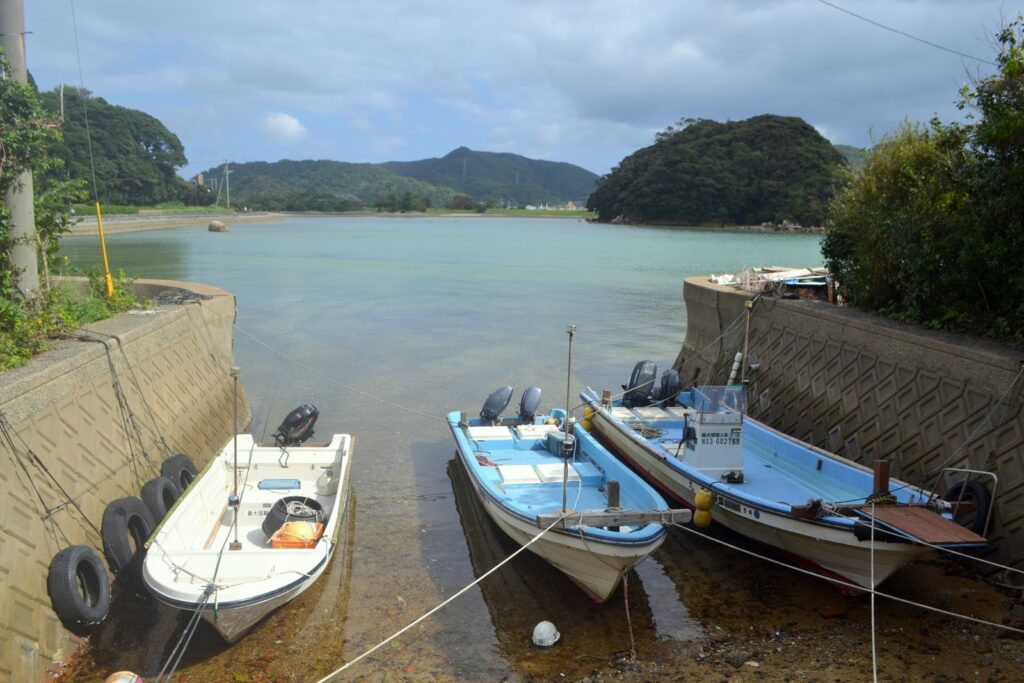
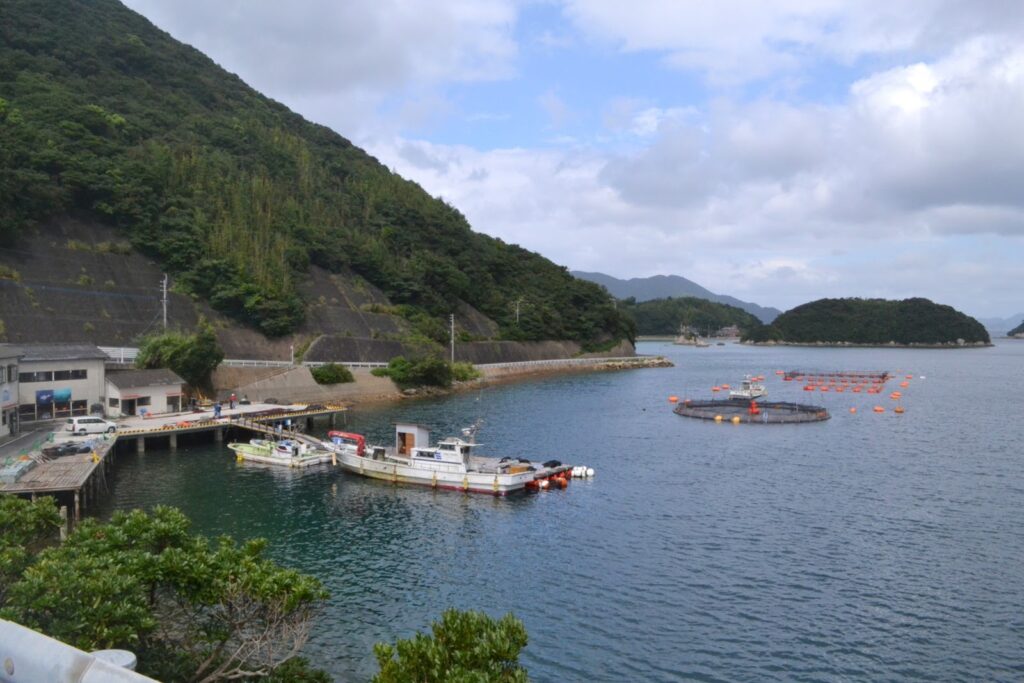
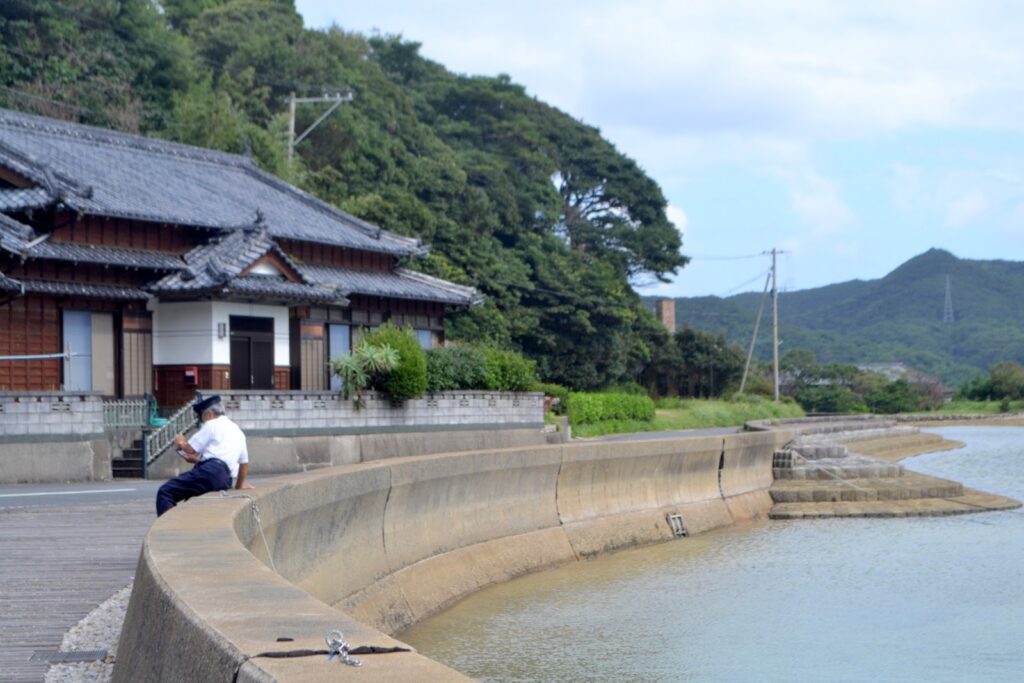
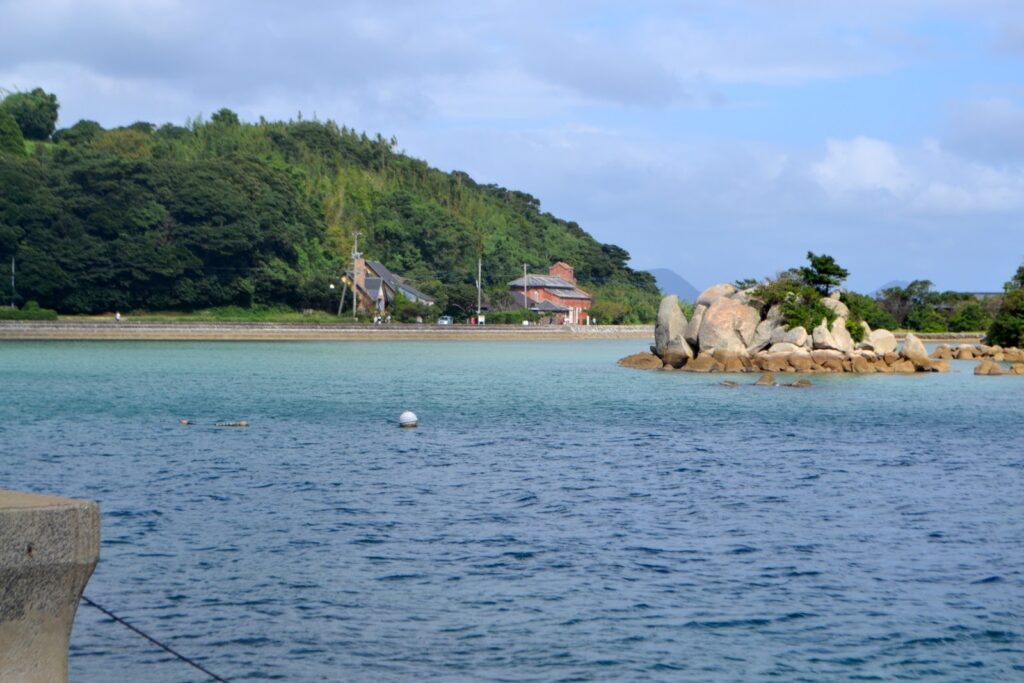
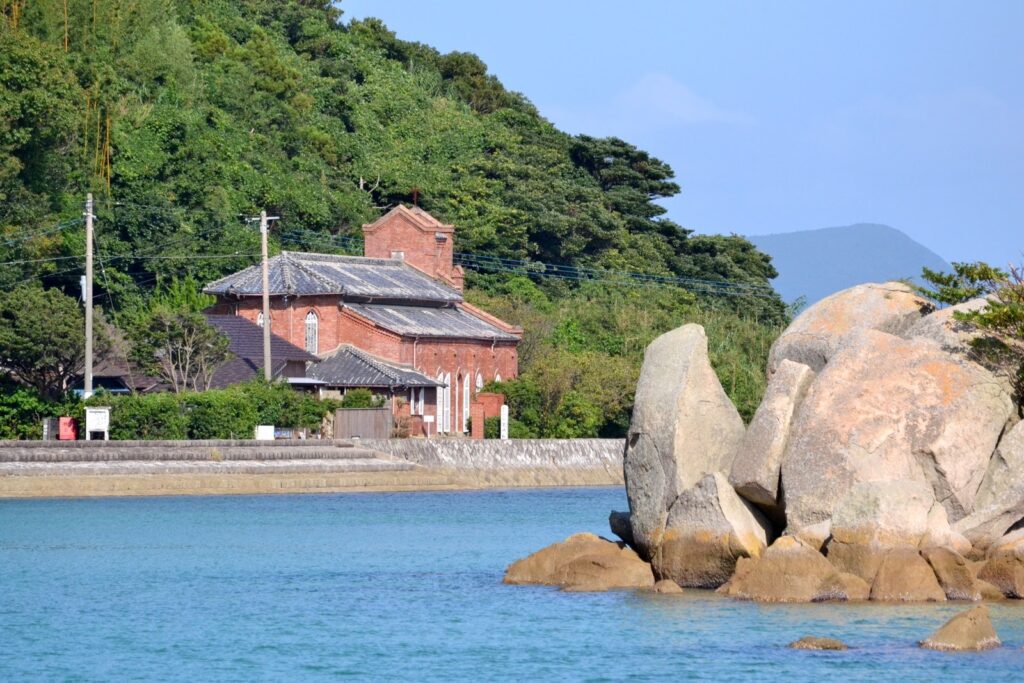
Then, a red brick building came into view. This is Dozaki Church.
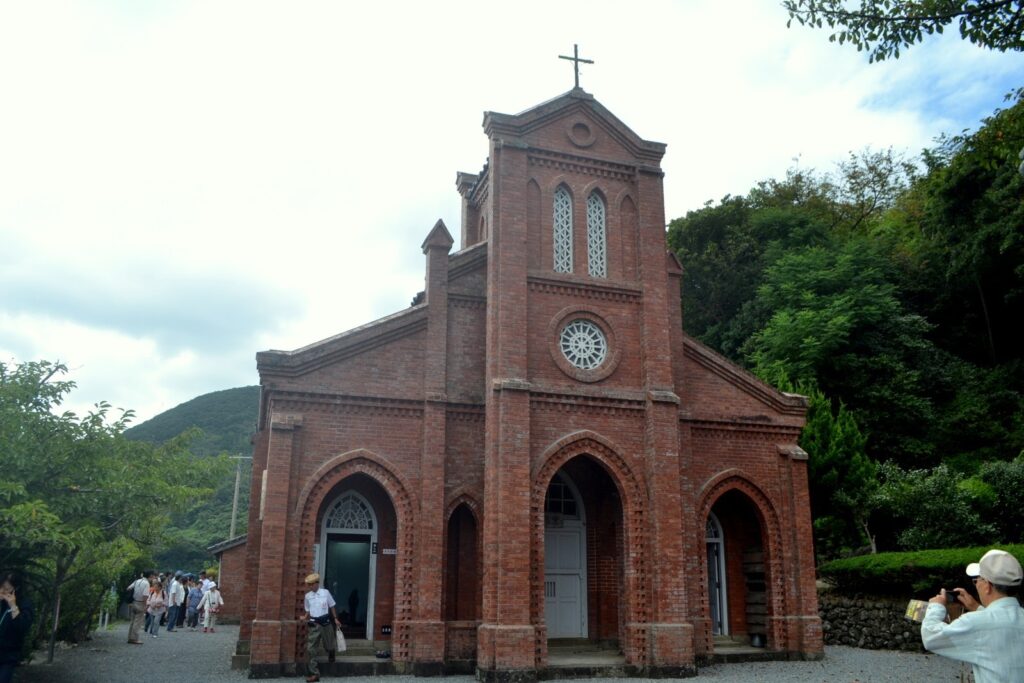
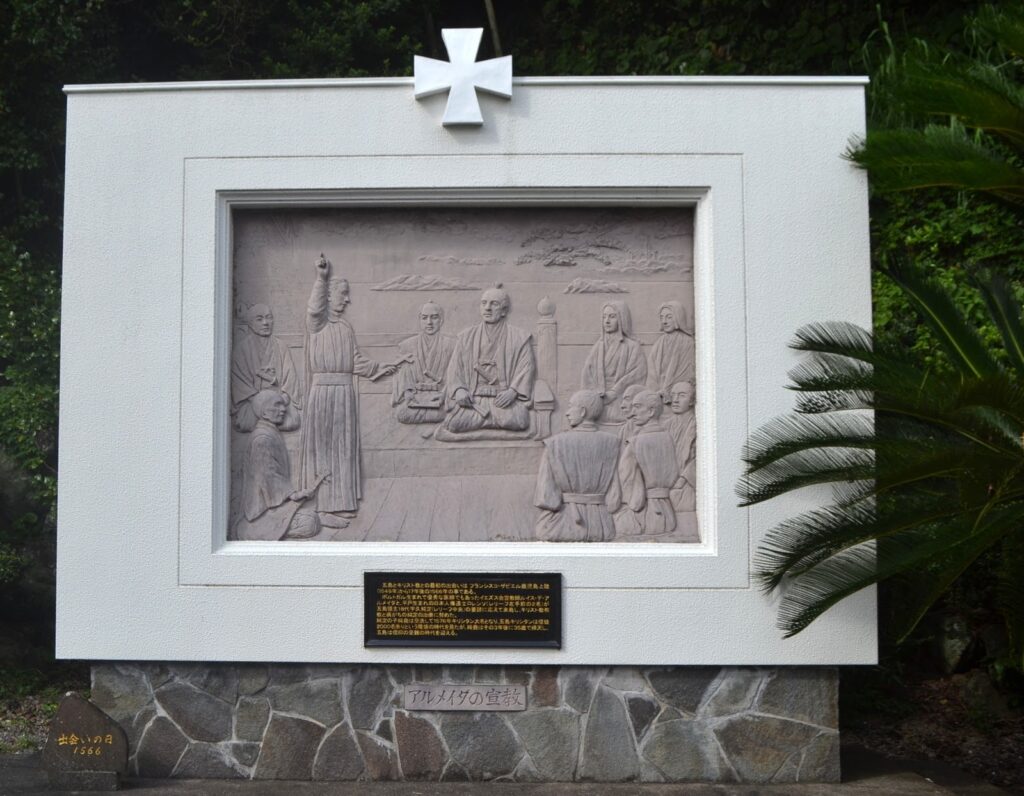
After the ban on Christianity was lifted, French missionaries visited Goto to spread the faith, and the first wooden church in Goto was built here in 1880. Later, the priest who took over completed the current brick church building in 1908.
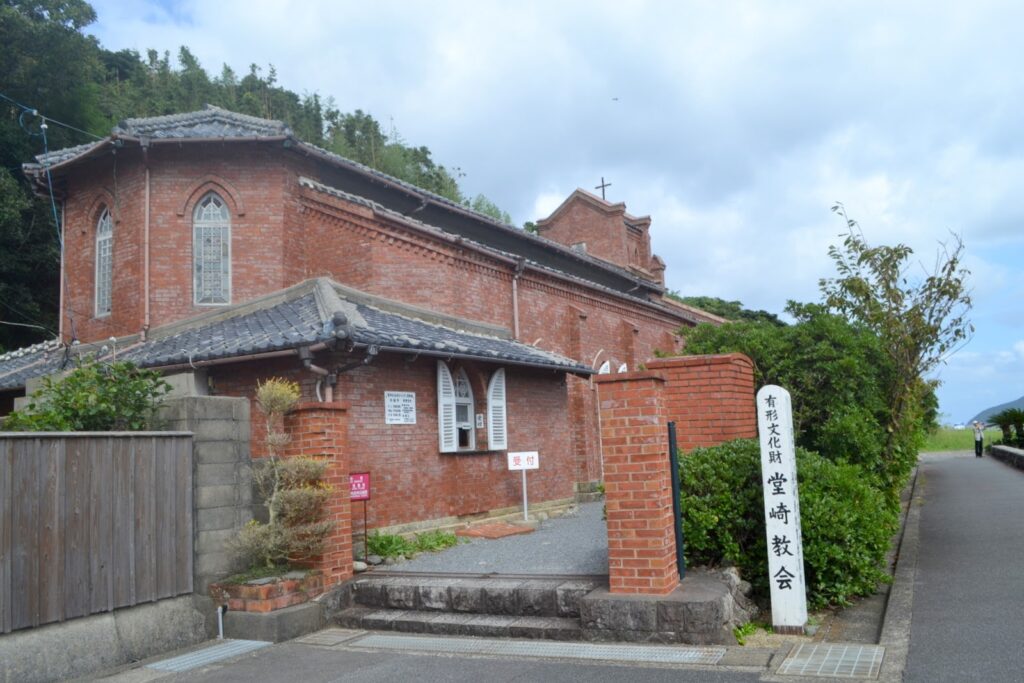
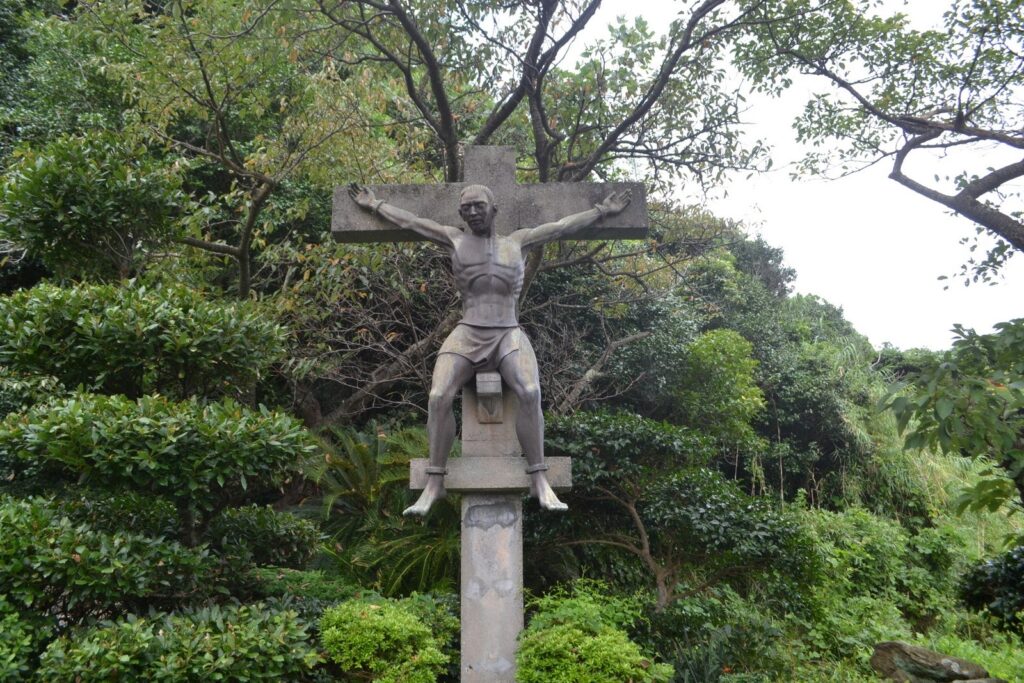
The highlight here is the Christian Museum inside the church. It exhibits Christian artifacts from the era of the ban through the Meiji period and beyond. These include the “Ocho” (sacred registers) passed down by the Chokata (the highest-ranking leaders who guided and passed down the faith within the hidden Christian organizations during the Edo period), as well as woodblock prints used by priests for missionary work.
I couldn’t take a photo, but seeing the notebook where Portuguese words taught by the priests were written down phonetically in Hiragana was truly shocking. Even for Japanese people back then (and today, for that matter), very few could understand the meaning of Portuguese. However, believing that the words chanted by the priests were the voice of God, they recorded them in Hiragana to pass down to their descendants. That sheer tenacity radiates from that battered old notebook.
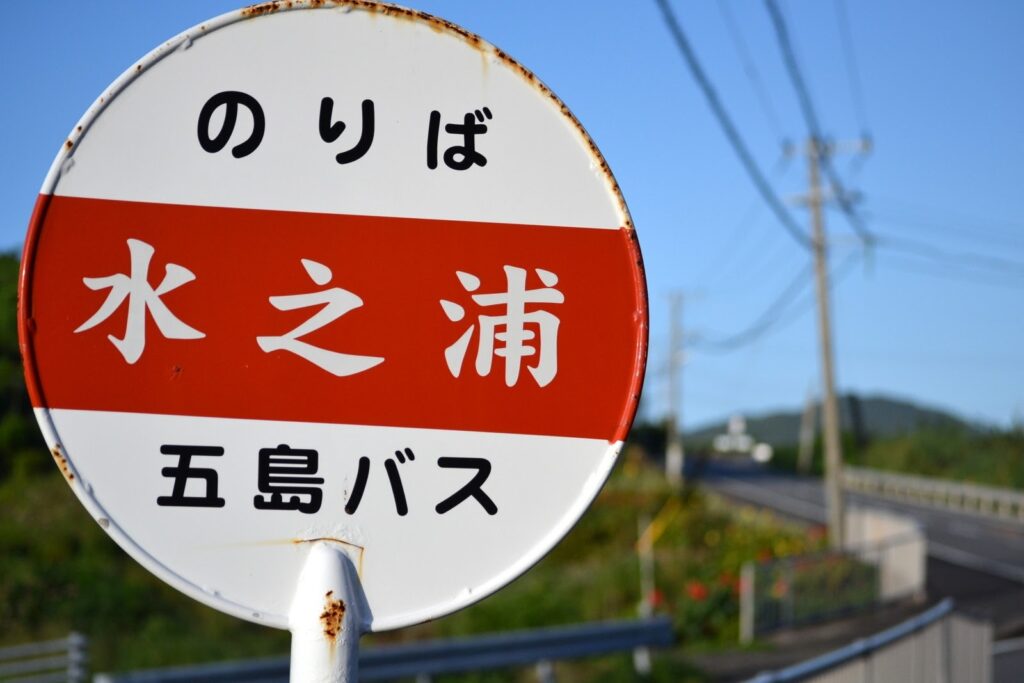
We then returned to Fukue Port, hopped on a different bus, and headed in another direction.
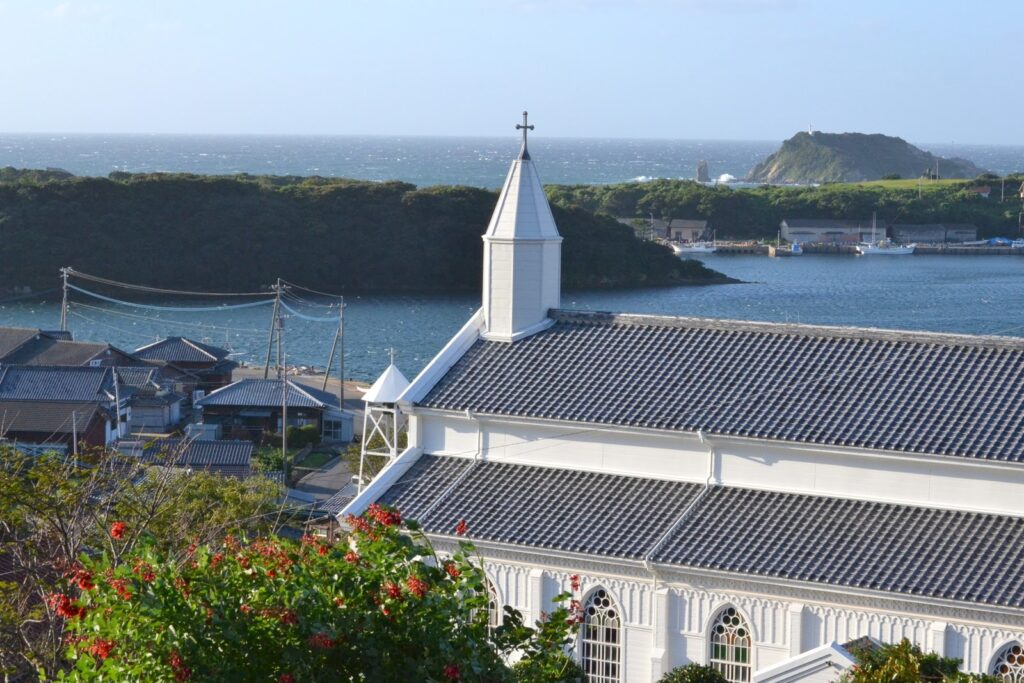
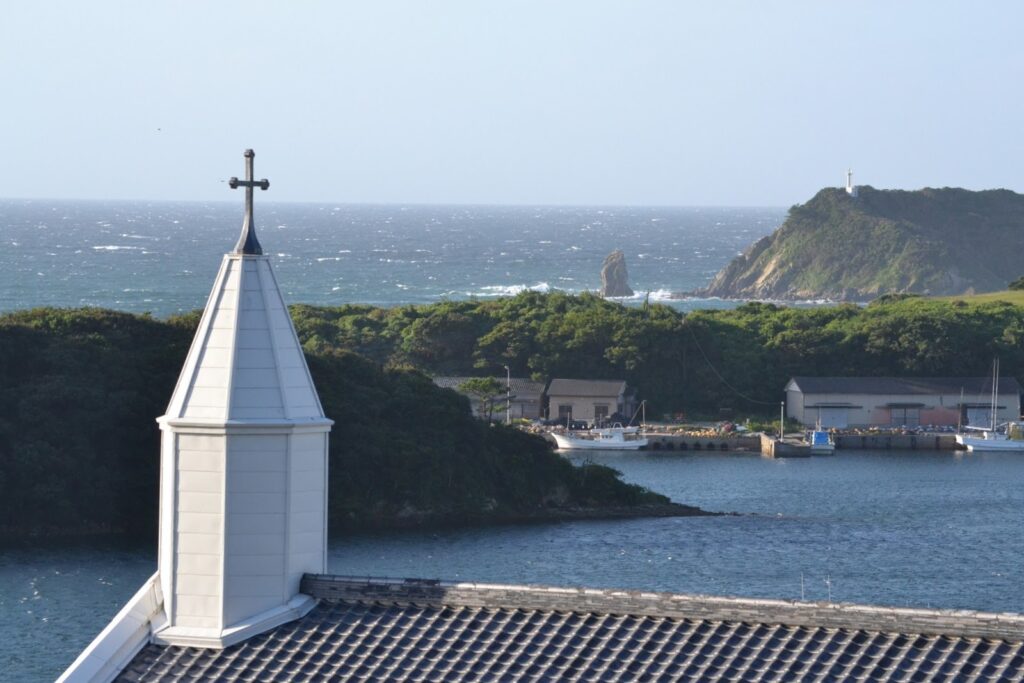
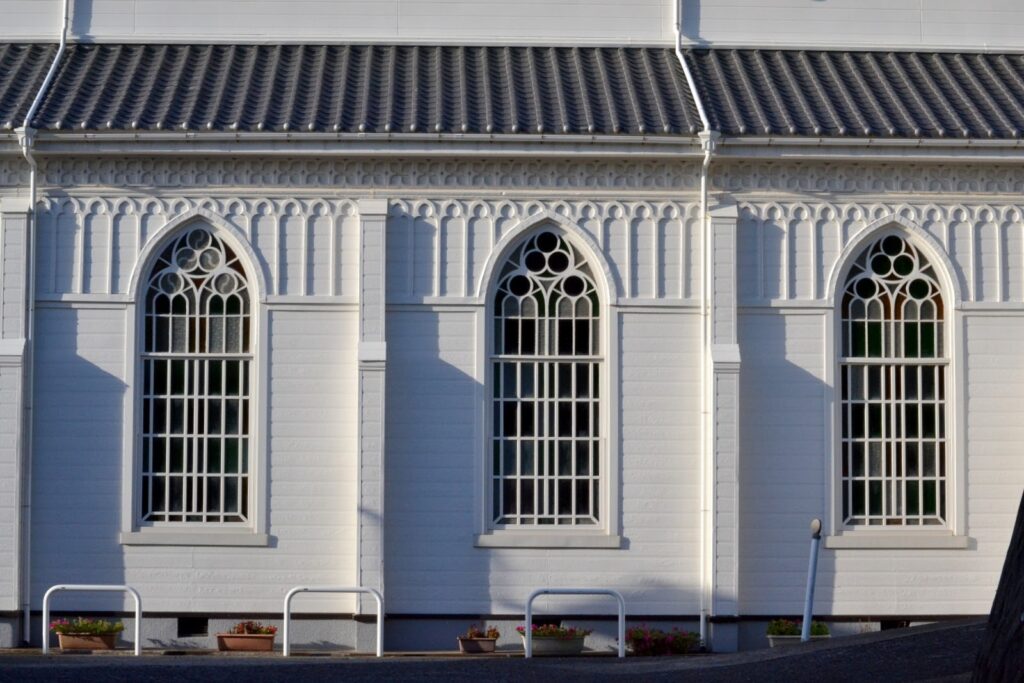
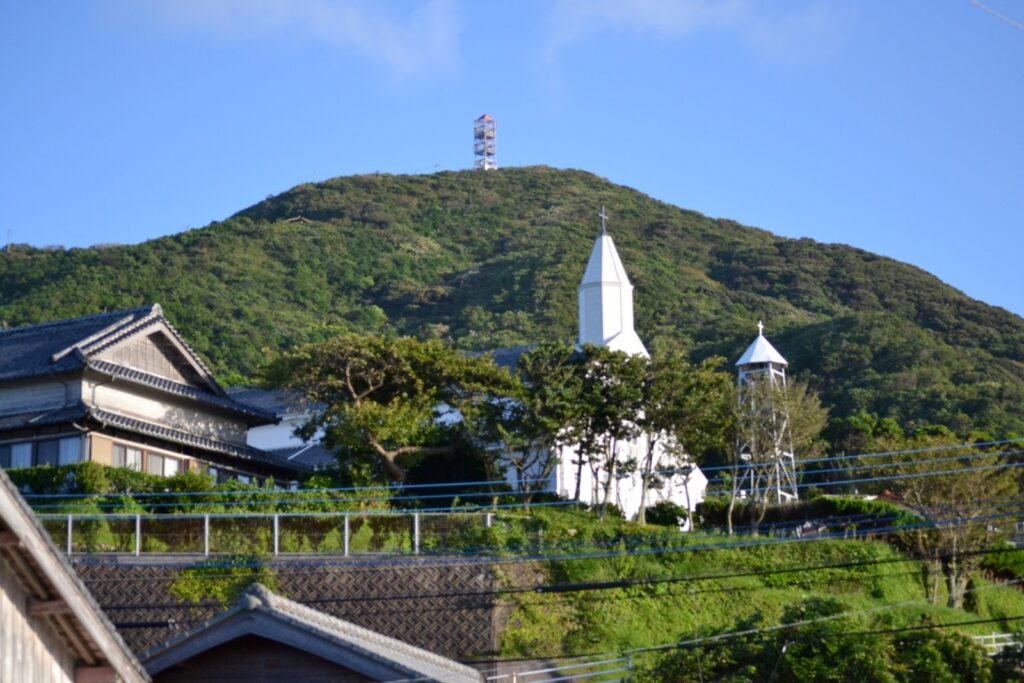
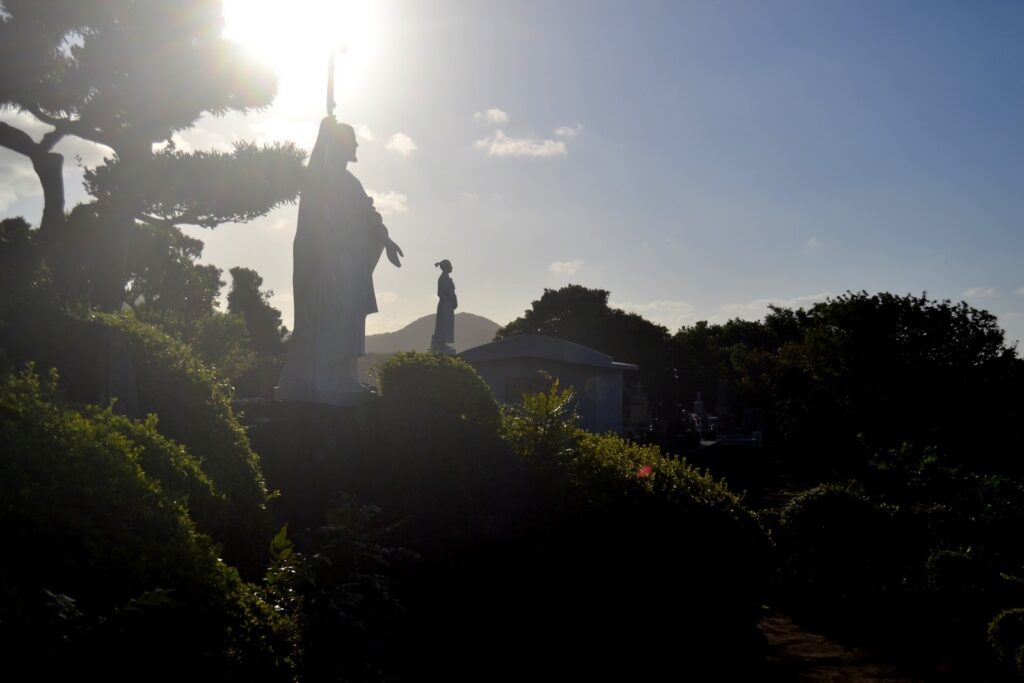
This is Mizunoura Church.
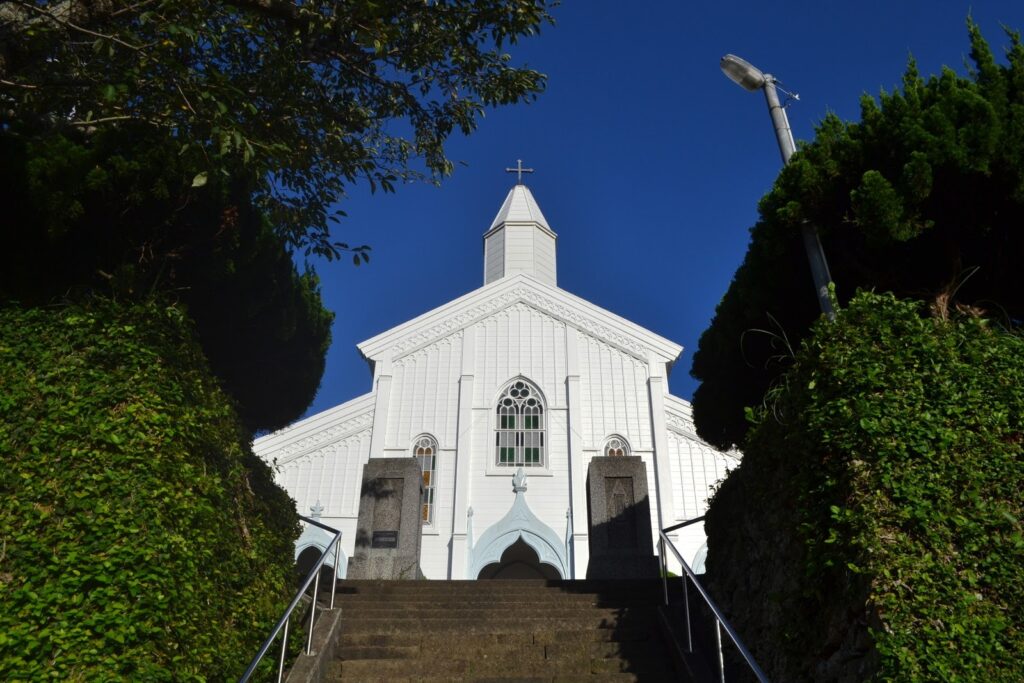
It was built in 1880, seven years after the Meiji government lifted the ban on Christianity (the current building was constructed in 1938).
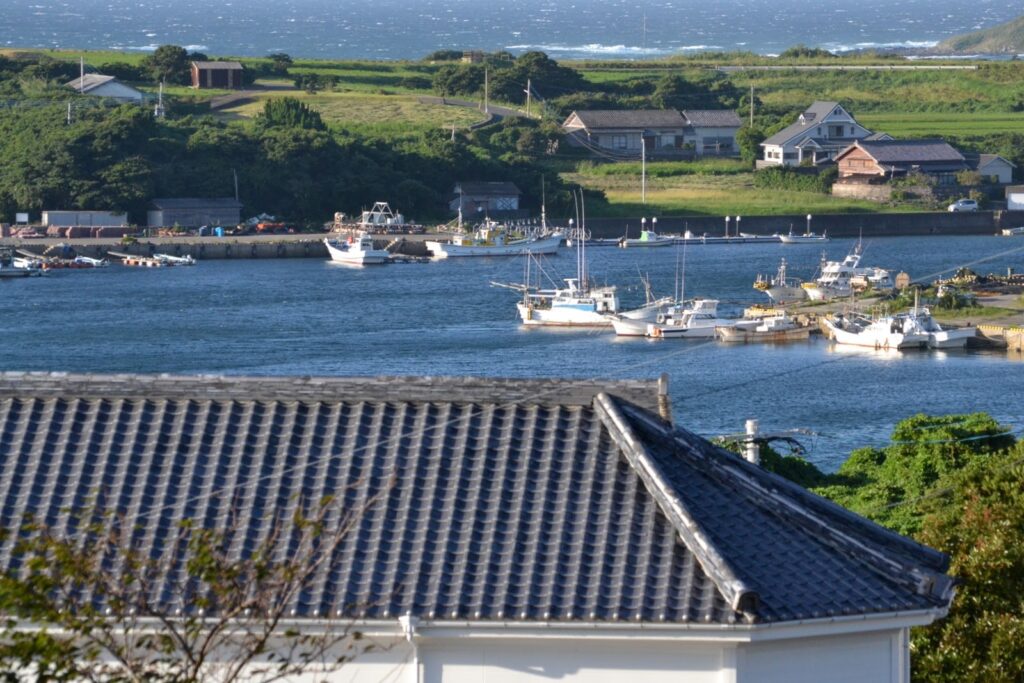
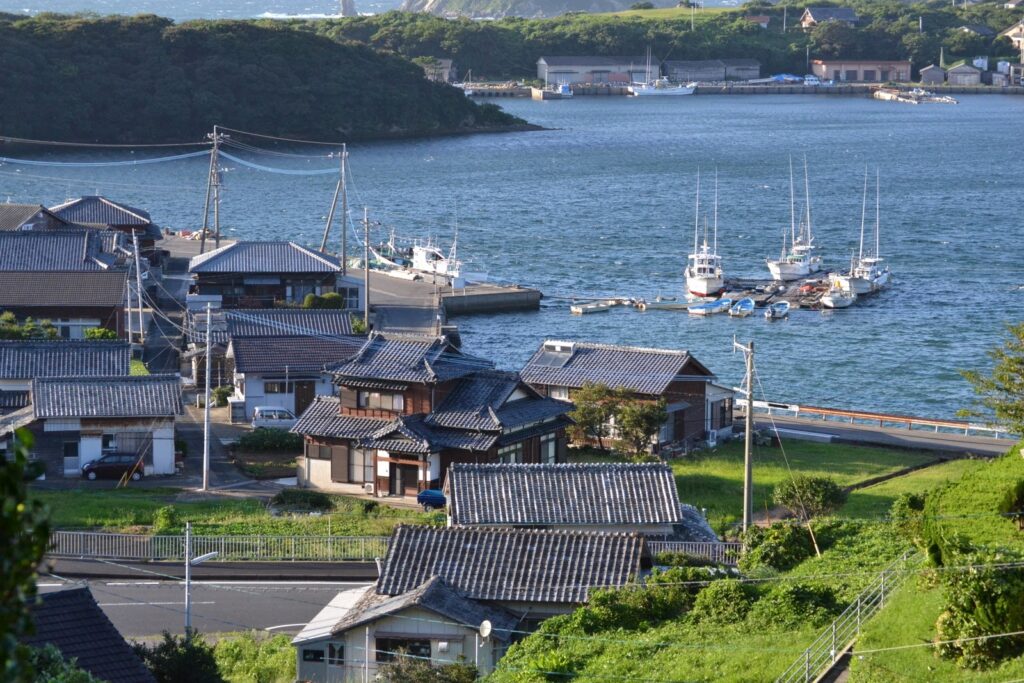
A Western church, a cross, Japanese tiled roofs, and the scenery of a fishing village all blended together. This magnificent “champon.” It was so breathtaking that I completely lost track of time.
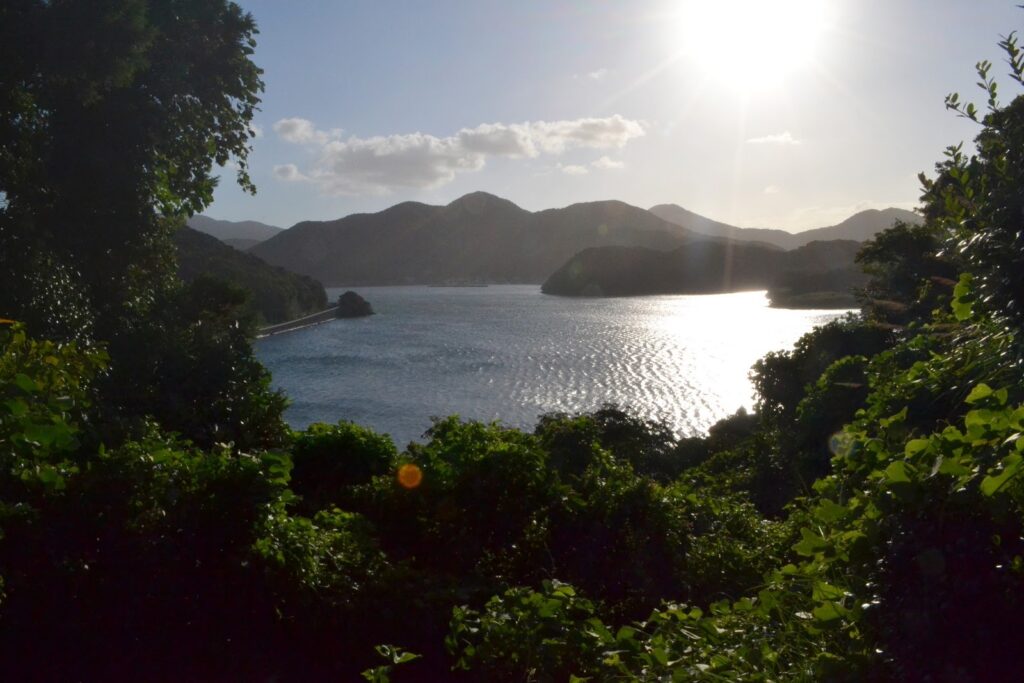
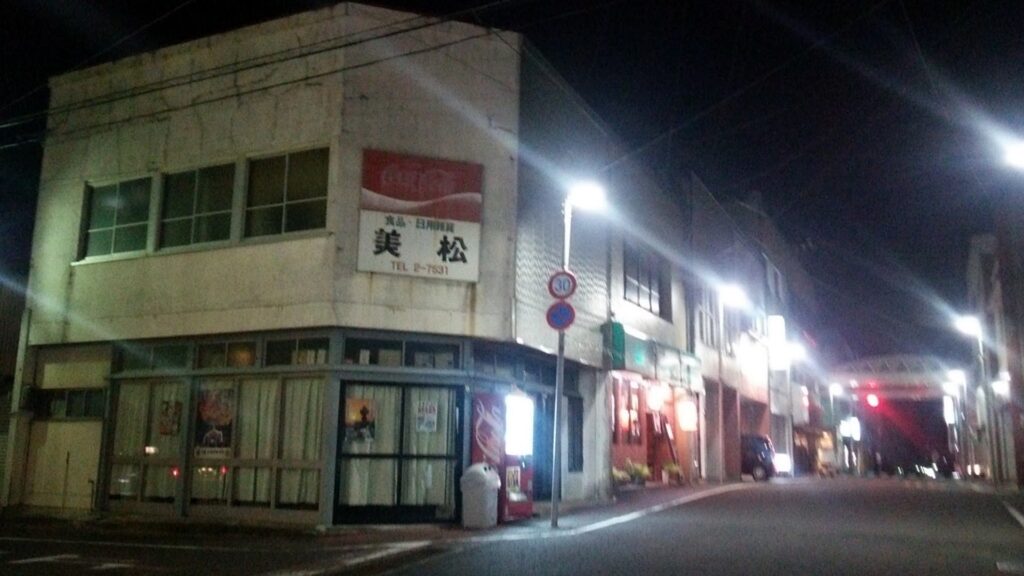
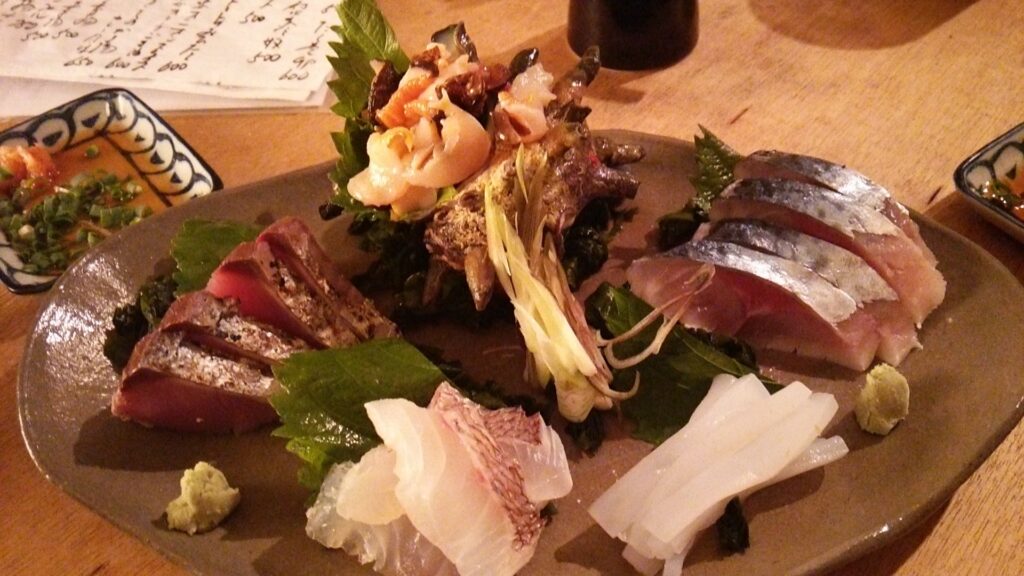
On the night of our second day, we stayed at a hotel near Fukue Fishing Port. We went to an izakaya near the port and had a feast of Nagasaki’s local cuisine, prepared by a great cook and a very friendly lady (who apparently moved there from Tokyo). At the end of the night, we all raised our glasses for a toast. It was such a fun and memorable evening!
- Nagasaki Trip Days 1: A Journey of Prayers: Tracing Hidden Christians, Peace, and Local Food in Nagasaki
- ▶Nagasaki Trip Days 2: The Goto Islands – Naru Island and Fukue Island
- Nagasaki Trip Days 3 & 4: Tracing the Roots of Printing on Ojika Island!
- Nagasaki Trip Day 5: Just One Day in Saga Prefecture. Strolling Through the Town of Arita Ware
- Nagasaki Trip Day 6: The Last Day of the trip. Holding August 9, 1945, in my heart